New York's Assisted Suicide Law: Legal Battles, Religious Rights, and Public Policy
Explore New York’s Medical Aid in Dying Act, the legal challenges from religious groups, and the broader implications on conscience protections and state laws.
Additional reporting by April Clark, Theo Ramirez
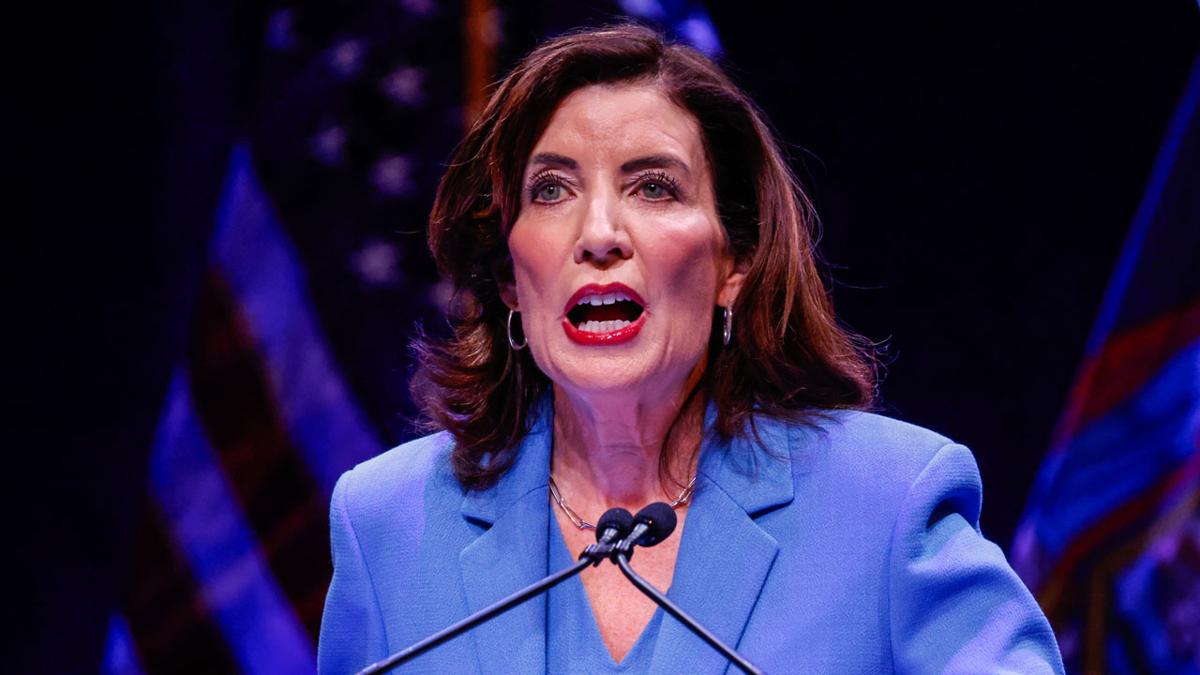
New York’s Medical Aid in Dying Act represents one of the most contentious public policy shifts in recent years, granting terminally ill adults the right to request medically prescribed life-ending medication under specified conditions. While the law ostensibly includes a variety of safeguards designed to protect vulnerable individuals and balance ethical concerns, it has triggered significant legal pushback, particularly from religious institutions whose foundational beliefs reject assisted suicide. The interplay between individual autonomy, state authority, and religious liberty has consequently come under intense scrutiny, highlighting a fundamental cultural and constitutional crossroads.
The passage and implementation of this law have prompted New York’s religious leaders and healthcare providers affiliated with faith-based organizations to challenge its mandates, arguing that enforcement threatens their freedom of conscience and religious mission. With the state temporarily halting enforcement against key plaintiffs while litigation proceeds, the dispute transcends New York’s borders, as it reflects broader national tensions over assisted suicide legislation, the scope of conscience protections, and the role of government in life-and-death decisions.
The Medical Aid in Dying Act: Framework and Safeguards
"Religious liberty stands tested as New York’s assisted suicide law threatens to compel faith-based institutions into moral compromise."
Enacted and effective since August, New York’s Medical Aid in Dying Act permits adult residents diagnosed with a terminal illness—expected to result in death within six months—to request a prescription for medications intended to hasten death. The law incorporates multiple procedural safeguards intended to prevent abuses or hasty decisions. Among these are a mandatory five-day waiting period between an initial request and the prescription, requirements for two independent physicians to confirm diagnosis and prognosis, and mental health evaluations to rule out impaired judgment or coercion.
The law also respects healthcare providers’ rights by allowing them to conscientiously object to participation in the process, including prescribing or dispensing medication. Providers cannot be forced to take part if it conflicts with their moral, ethical, or religious convictions. Furthermore, provisions permit health facilities, especially those faith-based, to refuse participation without penalty, intending to protect institutional religious freedom alongside individual patient rights.
Despite these protections, critics argue that the Act's implementation could still indirectly pressure religious organizations, especially those running healthcare ministries, to facilitate actions that violate their beliefs. This concern has prompted some to call for clearer, broader conscience protections or even exemptions for certain entities.
Religious Opposition and the Lawsuit by New York’s Archdiocese
Shortly after the law took effect, Archbishop Ronald Hicks, alongside the Archdiocese of New York and its healthcare ministry ArchCare, formally joined a significant legal challenge contesting the law’s mandates. Together with other Catholic religious orders and healthcare institutions, the plaintiffs contend that the law threatens to coerce their participation or support for assisted suicide procedures, which contradict their core religious teachings affirming the sanctity of life.
The lawsuit focuses on the potential for state enforcement to compel actions—even indirect facilitation—that run afoul of religious conscience protections guaranteed under the First Amendment and various federal statutes. They argue that even if providers opt out directly, ancillary requirements such as referrals, documentation, or institutional policies could effectively force involvement.
The case also raises concerns about how the state balances two competing rights: the patient’s right to access legally sanctioned medical aid in dying and the provider’s or institution’s right to avoid participation based on religious grounds. In response to the lawsuit, New York authorities have agreed to temporarily pause enforcement against the religious plaintiffs, illustrating the gravity and complexity of these constitutional questions.
These developments echo prior New York legal dynamics where faith-based organizations confronted state mandates conflicting with religious principles, such as earlier challenges to abortion protocols or immigration-related enforcement policies. This ongoing tension underscores the deeper cultural cleavage over government policy and moral convictions within the state's legal landscape.
Broader Legal and Cultural Implications
New York’s Medical Aid in Dying Act and the surrounding litigation should be understood in a wider context of shifting legal norms and culture wars over medical ethics and civil liberties. Assisted suicide laws have spread across several states, each grappling with how to carefully calibrate patient autonomy against the protection of vulnerable individuals and the safeguarding of religious freedom.
On one side, proponents frame such laws as embodying compassion and personal liberty, allowing those facing miserable, terminal suffering to control their end-of-life choices. On the other hand, opponents—especially religious conservatives—warn against legal frameworks that could normalize or pressure assisted suicide, eroding respect for life and undermining conscience rights.
In New York, the contested law and litigation also intertwine with recent judicial developments restricting racial quotas in education and immigration policies. The same courts overseeing assisted suicide challenges have become battlegrounds for cases involving affirmative action and sanctuary policies, demonstrating how the judiciary increasingly influences foundational social questions. For conservatives, these are moments demanding vigilance in defending constitutional limits and preserving religious liberties amid expansive state initiatives.
Furthermore, the controversy illuminates persistent debates about the political will underlying such laws. Critics often highlight the roles of progressive lawmakers and governors—like New York’s current administration—in advancing policies they argue impose radical social engineering on individuals and institutions. These administrations frequently portray opposition as standing in the way of compassionate reform, yet opponents see themselves as protecting core American freedoms.
The Role of Conscience Protections in Healthcare
The legal challenges to New York’s assisted suicide law reflect broader disputes over conscience protections in healthcare, a theme recurring across various contentious policy areas. Similar conflicts have emerged over mandates involving gender transition treatments, abortion services, and immigration enforcement cooperation. For example, recent federal settlements have required institutions like Mount Sinai to alter practices around pediatric gender interventions, generating debate over institutional conscience and state oversight.
In assisted suicide specifically, conscience protections aim to shield healthcare providers from participating in actions that directly facilitate death, which many religious and conservative ethicists view as fundamentally incompatible with professional duties. Without robust protections, these providers argue, religious institutions could face legal penalties, loss of funding, or compelled involvement, threatening their ability to serve patients consistent with their faith.
New York’s approach attempts to navigate these challenges by explicitly including opt-out provisions for individuals and institutions. Yet ambiguity remains about how these protections operate in practice, triggering legal disputes like the current lawsuit by Archbishop Hicks and the Archdiocese. This legal uncertainty poses risks to religious healthcare providers who form a substantial segment of New York’s medical landscape.
There is also concern that over time, expanding government mandates could erode conscience rights far beyond assisted suicide, setting precedents for compelling participation in other morally contested procedures. Advocates on the right warn that a failure to robustly defend conscience protections jeopardizes religious freedom nationwide, potentially forcing hospitals, charities, and professionals into violation of deeply held beliefs.
For the broader public, these conflicts underscore the need for clear, principled legislation and judicial rulings that carefully balance individual liberties, institutional rights, and patient access—especially in ethically sensitive domains.
What This Means for New York’s Future Legal Landscape
As New York continues to navigate the fallout from its assisted suicide law and related religious liberty lawsuits, the state's experience offers instructive lessons on the complex interplay between law, morality, and public policy. The ongoing litigation will likely set important precedents about the scope of conscience protections, influence future legislation, and inform how courts across the country adjudicate similar conflicts.
The resolution of this case could also impact other major disputes involving healthcare, immigration, and education law in New York. For instance, recent rulings blocking racial quotas in education and lawsuits surrounding immigration enforcement agreements reveal a judiciary increasingly willing to scrutinize state policies through a constitutional lens that respects fundamental rights.
Conservatives in New York and beyond will want to stay aware of how these developments unfold, both as indicators of the state’s shifting political-legal environment and as warnings about expanding government mandates. They emphasize that preserving religious liberty and resisting governmental overreach remain critical challenges in the face of activist courts and progressive lawmaking.
Meanwhile, liberal proponents of assisted suicide and other expanding health rights are likely to push forward with measures they describe as compassionate progress. The debate, however, remains unresolved, and the court system appears poised to wrestle with these thorny issues for years to come.
Conservative commentators caution that the stakes extend beyond assisted suicide itself. They warn that a failure to protect conscience rights here could precipitate a cascade of eroded freedoms and compel participation in practices antithetical to core convictions across American healthcare, education, and social policy.
As this litigation progresses, the broader public and policymakers alike must weigh the moral and constitutional dimensions carefully, respecting both individual autonomy and the enduring freedom of conscience enshrined by our nation’s founding principles.
Religious groups and conservative advocates will likely continue mobilizing around these issues, as evidenced by other recent lawsuits challenging expansive state mandates, such as New York’s ban on immigration enforcement agreements and disputes over abortion pill protections. The state’s legal and political landscape remains deeply contested, reflecting fundamental ideological rifts.
For those concerned with liberty and faith, the situation in New York serves as a crucial bellwether. It demands vigilance and active engagement in protecting the rights of conscience, even as society grapples with evolving medical ethics and the demands of modern governance.
For more in-depth coverage on the ongoing legal battles in New York, such as the Archbishop joining the lawsuit over assisted suicide and the temporary block on enforcement against Catholic nuns, as well as broader concerns over immigration law enforcement and abortion law clashes, visit our courts and law category.
In sum, New York’s experience with assisted suicide legislation showcases the enduring tension between progressive policy ambitions and protections for religious freedom—a balance that will shape American law and liberty debates well into the future.
Frequently asked questions
What does New York’s Medical Aid in Dying Act allow?
It allows terminally ill adults with a prognosis of six months or less to request medication to end their life, subject to procedural safeguards.
What safeguards does the law include?
It includes a mandatory five-day waiting period, mental health evaluations, dual physician confirmation, and the right for providers to opt out for conscience reasons.
Why are religious groups opposing the law?
They argue the law could compel them to participate indirectly in assisted suicide, which violates their religious doctrine affirming the sanctity of life.
What has happened with the lawsuit challenging the law?
Archbishop Hicks and other religious entities have sued the state; enforcement against these plaintiffs has been temporarily blocked while the case proceeds.
How does the law address conscience protections?
It permits healthcare providers and institutions to refuse participation based on conscience or religious beliefs, though opponents worry these protections are insufficient in practice.
Could this case affect other policies in New York?
Yes, it’s part of a pattern of legal challenges involving religious liberty, including immigration enforcement bans and abortion laws, signaling broader constitutional battles.
What is the broader significance of this legal dispute?
It tests constitutional boundaries between individual autonomy, government power, and religious freedom, influencing not only New York but potentially national policy trends.
Timeline of our coverage
- 2026-11-03 — New York Archbishop Joins Lawsuit Challenging State’s Assisted Suicide Mandate
- 2026-10-08 — New York Ban on 287(g) Immigration Agreements Sparks Federal Lawsuit
- 2026-10-01 — Louisiana, Alabama, Arkansas Sue Blue States Over Abortion Pill Shield Laws
- 2026-09-19 — New York Governor Pardons Felon, Halting Immigration Test Case
- 2026-09-05 — Mount Sinai to Halt Pediatric Gender Interventions, Provide $2M in Detransition Care Under DOJ Settlement
- 2026-08-23 — Backlash Halts Thousands of Data Center Projects as States Impose New Restrictions
- 2026-07-31 — Federal Judge Temporarily Blocks Enforcement of New York Assisted Suicide Law Against Catholic Nuns
- 2026-07-25 — Catholic Nuns Sue New York Over Assisted Suicide Law
- 2026-06-24 — New York DSA Candidates Win Primaries, Raising Concerns Over Radical Policies
- 2026-06-03 — IVF Dispute Leads to Legal Battle Over Embryo Custody in New York
- 2026-05-22 — Supporters of Accused Killer Luigi Mangione Spark Controversy in New York
- 2025-11-06 — NYT Is Terrified Of Mamdani, The Mayor It Helped Create
- 2025-11-05 — NYC Voters Elect Communist Zohran Mamdani As Next Mayor
- 2025-10-30 — NY's Soft Laws Mean No Consequences For Murder Threats
- 2025-10-24 — New York Court Blocks Racial Quotas in Education Case
The Bottom Line
- The law tests the limits of religious freedom against state mandates for medical procedures.
- It highlights the complexity of balancing individual choice and institutional conscience.
- The outcome will influence similar laws and protections nationwide.
- It reflects larger cultural battles over government’s role in life-and-death ethical questions.


Sources
- New York State Department of Health Announces Historic Medical Aid in Dying Law Takes Effect in New York State
- Governor Hochul Signs Medical Aid in Dying Act into New York State Law
- U.S. Supreme Court
- Nbcnewyork.com: 6533942
- Jurist.org: New York Adopts Medical Aid In Dying With New Safeguards
- Aleteia.org: Ny Archbishop Joins Nuns Assisted Suicide Lawsuit (Nov 01, 2026)
- Catholicculture.org: Index
- Catholicsun.org: Ny Archbishop Archdiocese Healthcare Ministry Join In Suit Over States Assisted Suicide Law (Nov 03, 2026)
- Nolo.com: New York S End Life Options Act Death With Dignity Act