Minneapolis and Immigration Enforcement: Unpacking Federal Intervention and Local Backlash
Explore the complex dynamics of federal immigration enforcement in Minneapolis, the community's response, and the enduring challenges of policy and public safety.
Additional reporting by Liam Walker, April Clark
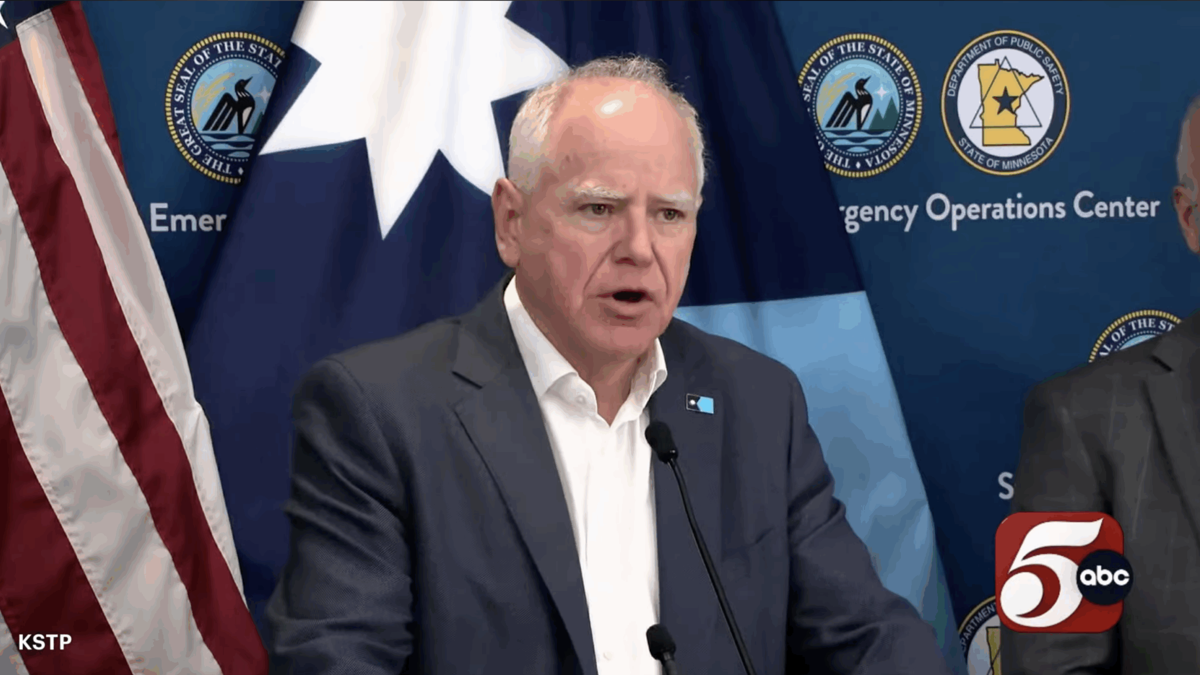
Minneapolis has emerged as one of the nation’s most vivid battlegrounds over the federal government's approach to immigration enforcement. The city, with its significant Somali and Hispanic populations, became the epicenter of controversy following the launch of "Operation Metro Surge," a large-scale enforcement initiative by the Department of Homeland Security (DHS) at the end of 2025. This operation, marked by an unprecedented deployment of federal agents, aimed to crack down on alleged immigration fraud and associated criminal activities but quickly drew fire from local officials, immigrant communities, and civil liberties groups alike.
The operation's aggressive posture, combined with tragic incidents like fatal shootings during ICE enforcement actions, sparked an intense backlash, exposing deep fissures between federal immigration priorities and local governance. More broadly, the Minneapolis case exemplifies the complex interplay between law enforcement’s duty to uphold federal immigration laws and the foundational American values of due process and community trust—a balancing act that continues to define immigration debates nationwide.
Massive Federal Deployment and Its Objectives
"Minneapolis exposes how aggressive federal immigration enforcement fractures community trust and demands a rethink of enforcement priorities."
Operation Metro Surge represented an extraordinary federal mobilization targeting immigration-related fraud and criminal activity within Minneapolis and surrounding areas. Approximately 3,000 agents from Immigration and Customs Enforcement (ICE), Customs and Border Protection (CBP), and other DHS components were deployed between December 2025 and February 2026. The DHS framed the operation as a necessary response to sophisticated fraud networks exploiting immigration loopholes, especially focusing on fraudulent identity documents within Somali and Hispanic communities, who represent a sizable and culturally distinct segment of Minneapolis’s population.
The scale of this deployment was historically significant, dwarfing typical localized enforcement efforts and approaching the magnitude of a military-style operation in a domestic urban setting. Alongside increased arrests and vehicle stops, the operation emphasized intelligence-led enforcement but was criticized for heavy-handed tactics, including aggressive street-level stops and use of tactical gear that some viewed as militarization of federal immigration enforcement.
Community leaders and local officials voiced concern that such an immense federal presence risked racial profiling and would fray the delicate relations between immigrant populations and law enforcement. These arguments were underscored by Minneapolis’s backdrop of existing tensions involving policing, race relations, and political divisions. Critics feared that the operation’s disruption could discourage cooperation with local authorities on other public safety matters, inadvertently compromising community security.
Federal officials defended the surge as essential in upholding immigration laws and addressing fraud that had broader implications for national security and economic integrity. They also asserted that the crackdown targeted specific individuals with probable cause rather than entire communities, highlighting that enforcement conducted under rule of law is a government imperative. Nevertheless, the operation sparked a major national discourse on whether federal immigration enforcement strategies should be recalibrated to better align with community sensitivities and constitutional protections.
The Fatal Shootings That Shattered Local Trust
One of the defining and most controversial moments of the operation was the fatal shooting of Renee Good, a 37-year-old mother of three, on January 7, 2026. ICE officer Jonathan Ross fatally shot Good during an enforcement action aimed at suspects accused of felony offenses within the targeted immigrant communities. The resulting outcry was immediate and profound, as questions swirled over the justification and necessity of lethal force by federal agents engaged in immigration enforcement.
The disparate narratives surrounding the incident — federal officials citing self-defense claims, while advocates and family members alleged excessive force and systemic overreach — intensified mistrust. The family's subsequent lawsuits against the U.S. government and ICE officials illuminated the growing demand for accountability and transparency regarding federal agents’ operational conduct. These legal battles heightened public awareness and galvanized community protests across Minneapolis, drawing national attention to what many saw as a dangerous precedent of unchecked federal power.
Further unrest was sparked by another shooting involving Alex Pretti, an ICU nurse and activist, which occurred under similarly contested circumstances. These deadly confrontations underscored the razor-thin line law enforcement walks during immigration operations entrenched in charged social and racial contexts. They also raised serious questions about the training, rules of engagement, and oversight mechanisms governing federal immigration agents — issues at the center of persistent debates over law enforcement reform.
The collateral damage extended beyond the immediate victims and families; the shootings exacerbated feelings of fear and alienation among immigrant populations, many of whom now questioned the safety of residing in cities where immigration enforcement translated into potentially lethal confrontations. This atmosphere complicated efforts by local leaders to maintain public order and foster cooperation between immigrant communities and law enforcement, particularly amid growing political polarization over immigration policies.
Local Opposition and Judicial Interventions
Minneapolis city officials, community organizations, and local residents organized to oppose Operation Metro Surge vehemently. The opposition framed the federal surge as undermining local sovereignty, circumventing community-based policing models, and intimidating legal residents and citizens alike. Many argued the operation exacerbated public safety challenges instead of improving them by instilling fear of deportation and law enforcement among immigrant populations who otherwise cooperated with local police.
This local resistance found concrete expression through community protests, advocacy campaigns, and coordinated legal efforts aimed at checking federal authority. A critical judicial intervention came when a U.S. District Judge issued an order protecting protesters’ constitutional rights, barring federal agents from detaining or using tear gas against peaceful demonstrators not impeding law enforcement activities. This decision significantly curtailed the operational freedom of federal agents amid heightened civil unrest and symbolized the judiciary’s role as a vital safeguard of civil liberties under duress from expansive federal enforcement operations.
Federal authorities ultimately announced a reduction in troop levels by mid-February 2026, a move widely interpreted as a capitulation to local pressure and judicial constraints. This drawdown reflected the operational difficulties of sustaining such a large enforcement footprint amid political backlash and social discord. It also demonstrated the efficacy of combining political advocacy, public protest, and legal challenges in pushing back against perceived federal overreach.
Minneapolis’s organized resistance serves as a blueprint for other municipalities grappling with federal immigration enforcement actions that conflict with community values or political leadership. The episode highlights the necessity for dialogue and coordination between federal, state, and local actors to achieve enforcement goals without undermining civil rights or community wellbeing.
Community Impact and the Larger Immigration Debate
The social consequences of Operation Metro Surge extend well beyond immediate enforcement metrics. While federal agents claimed success in cracking down on illegal activities, the operation sowed deep divisions within Minneapolis’s diverse communities. Immigrant families reported heightened anxiety, disrupted daily life, and diminished trust in government agencies supposed to protect them. Many viewed the crackdown as unjust targeting grounded more in ethnicity and xenophobia than evidence-based law enforcement.
Adjacent to these concerns lies the debate over the broader philosophy of immigration enforcement in urban settings. Critics contend that militarized, large-scale enforcement sweeps destabilize neighborhoods, encourage underreporting of crimes by immigrant victims and witnesses, and weaken community cohesion — ultimately impeding public safety. From this perspective, enforcement tactics should prioritize precision, community engagement, and respect for constitutional rights to maintain legitimacy and efficacy.
Conversely, advocates for rigorous enforcement argue that tolerating widespread fraud and illegal immigration threatens the rule of law, economic fairness, and national security. They assert that local resistance to federal enforcement compromises the authority of immigration laws and encourages noncompliance. Proponents emphasize that federal agencies bear a constitutional responsibility to uphold immigration statutes even amid local opposition, cautioning that politicizing enforcement leads to inconsistent application of the law and potentially dangerous policy vacuums.
The Minneapolis experience encapsulates this national dilemma — reconciling the demands of lawful enforcement with the imperative to protect civil liberties and nurture immigrant integration. It challenges policymakers to calibrate immigration strategies that are not only legally sound but socially sustainable, fostering trust rather than division.
Aftermath and Lessons Moving Forward
The substantial drawdown of federal agents after Operation Metro Surge signals an important learning moment for immigration enforcement policymakers. It suggests a growing recognition within the Department of Homeland Security and the Biden administration of the risks inherent in deploying overwhelming, militarized tactics in urban centers with complex demographic compositions. Such approaches risk alienating immigrant communities and undermining long-term public safety goals.
In response, Minneapolis city officials have intensified efforts to assert greater local oversight of federal immigration activities, advocating for clear protocols that respect constitutional protections and community relationships. These efforts aim to build transparency, legal accountability, and informed cooperation rather than confrontation. The experience encourages policymakers to explore enforcement models combining robust intelligence operations with community-sensitive practices that minimize social disruption.
This recalibrated posture must be understood amid a shifting national immigration enforcement landscape, marked by fluctuating federal priorities and contested political leadership. Our previous coverage has detailed shifts in ICE’s enforcement policies, debates sparked by public protests, and the ongoing struggle to reconcile the enforcement imperative with respect for constitutional rights and community integrity.
Ultimately, Minneapolis’s experience holds valuable lessons for other jurisdictions facing similar enforcement dilemmas. It elucidates the power of judicial oversight, local political mobilization, and community engagement in shaping immigration enforcement practices. It also underscores that sustainable immigration policy must balance enforcement with respect for lawful residents’ dignity and constitutional freedoms.
Minneapolis in the National Immigration Enforcement Landscape
The Minneapolis saga is emblematic of a broader national challenge: implementing immigration enforcement that aligns federal objectives with local realities. While federal agencies have constitutional mandates to enforce immigration laws, they must operate within the social and political ecosystems of diverse communities. Failure to do so risks not only operational setbacks but also deeper societal fragmentation.
Earlier federal efforts in Minneapolis to moderate ICE activity had encountered ambivalence, revealing that neither unfettered federal force nor wholesale withdrawal successfully addresses the underlying challenges. Local protests, such as those surrounding the removal of ICE signs from businesses, illustrate how immigration enforcement reverberates beyond law enforcement encounters, affecting community identity and cohesion.
Compared to other metropolitan areas, Minneapolis’s experience spotlights the limits of federal authority when it lacks local consent or engagement. Other cities with large immigrant populations face analogous tensions but also have opportunities to craft cooperative frameworks where federal enforcement respects local norms and constitutional safeguards. Minneapolis stands as a cautionary tale and a potential model for collaborative immigration enforcement reform.
Conclusion: Balancing Enforcement and Community Trust
The Minneapolis episode vividly demonstrates that immigration enforcement is not merely a matter of geography or legality but one deeply intertwined with trust, civil rights, and community wellbeing. Heavy-handed federal operations ignoring local context risk damaging essential relationships, fomenting unrest, and derailing enforcement objectives. A prudent immigration policy must therefore combine firmness in upholding laws with a steadfast commitment to constitutional protections and humane treatment of immigrant communities.
As Minneapolis continues to grapple with the aftermath and seeks to rebuild fractured relations, the lessons learned must inform national discourse on immigration enforcement reform. Responsible policymakers will recognize the imperative to develop frameworks that facilitate lawful enforcement while nurturing the cooperation, dignity, and safety of all residents. Only then can America realize a sustainable immigration system reflective of its foundational principles.
For more detailed analysis of Minneapolis's evolving situation—including legal rulings and community responses—see our coverage of the fatal confrontation and its legal implications and public protests over ICE policies. These pieces offer essential context for understanding the ongoing struggle at the intersection of immigration enforcement and civil liberties.
Frequently asked questions
What prompted the federal 'Operation Metro Surge' in Minneapolis?
The Department of Homeland Security launched the operation to target alleged immigration fraud and related crimes, particularly in Somali and Hispanic communities.
Why did Operation Metro Surge face local opposition in Minneapolis?
The operation was seen as aggressive and disruptive, with concerns about racial profiling, civil liberties violations, and damage to community-law enforcement trust.
What incidents intensified tensions during the operation?
Fatal shootings by ICE officers, including the death of Renee Good and another shooting involving an activist, sparked protests and intensified public scrutiny.
How did courts intervene during the protests in Minneapolis?
A U.S. District Judge barred federal officers from detaining or using tear gas against peaceful protesters not obstructing enforcement activities.
What was the outcome of the federal agent deployment in Minneapolis?
Facing protests and legal challenges, federal authorities significantly reduced their presence in mid-February 2026, ending the large-scale surge.
How does the Minneapolis experience influence national immigration policy debates?
It underscores the challenges of balancing enforcement with civil rights and suggests a need for more community-sensitive immigration strategies.
Did Minneapolis local officials have any control over federal immigration enforcement?
Local leaders opposed the operation and sought greater oversight, but enforcement authority rests primarily with federal agencies.
What role did community protests play during the operation?
Protests highlighted public dissent, contributed to legal rulings protecting civil liberties, and pressured federal agencies to alter enforcement tactics.
Timeline of our coverage
- 2026-07-17 — Trump Reverses ICE Vehicle Stop Ban After Fatal Shootings, Orders Tougher Immigration Enforcement
- 2026-02-12 — ICE Drawdown in Minneapolis Signals Shift in Immigration Enforcement Focus
- 2026-02-06 — Protests Erupt at Minneapolis Yoga Studio Over ICE Sign Removal
- 2026-02-04 — Protests in Minneapolis Highlight Contradictions in Immigration Policy Debate
- 2026-01-28 — Social Media Outrage Follows ICE-Related Shootings in Minneapolis
- 2026-01-27 — Trump Plans Reduction of Federal Agents in Minneapolis Amid Local Opposition
- 2026-01-26 — Shooting in Minneapolis Raises Tensions Over Immigration Enforcement
- 2026-01-26 — Fatal Confrontation in Minneapolis Raises Concerns Over Immigration Enforcement Climate
- 2026-01-19 — Minneapolis Faces Unrest Amid Allegations of Insurrection
- 2026-01-15 — Shooting Incident in Minneapolis Raises Concerns Over Law Enforcement Resistance
- 2026-01-12 — New York Times Analysis Sparks Debate Over Minneapolis Shooting Incident
- 2025-12-11 — DOJ Sues Minneapolis Schools Over Racially Preferential Hiring Practices
- 2025-09-05 — Minneapolis Dems: Election Was Rigged But Let's Keep Results
- 2025-09-03 — Link Between Family Structure and School Shootings Examined
- 2025-09-02 — Shooting at Minneapolis Catholic Church Leaves Two Children Dead
- 2025-09-02 — Community Calls for Prayer Following School Shooting in Minneapolis
- 2025-09-02 — School Shooting Shows It's Deadly To Medicalize Moral Disorders
- 2025-08-22 — Fateh's Mayor Endorsement Revoked After Messy DFL Convention
The Bottom Line
- Highlights the tension between federal immigration enforcement goals and local community interests.
- Demonstrates consequences of militarized enforcement on civil liberties and public safety.
- Shows the role of judicial oversight in protecting constitutional rights during protests.
- Offers a case study in balancing national security with respecting immigrant communities.
Sources
- USCIS
- Csmonitor.com: Minneapolis Immigration Protests Ice
- Politifact.com: Why Ice In Minneapolis Immigration Population
- Apnews.com: 6fbc82cd33b6f9f67514b47f138e23c6
- Apnews.com: 91dcbe225e852d9c592f059b0d9c7738
- Time.com: Ice Minneapolis Kristi Noem
- Axios.com: Ice Shooting Minneapolis Portland Vigils Protests (Jan 09, 2026)
- Minneapolis.org: Federal Immigration Enforcement