Zohran Mamdani’s Mayoral Victory: Shaping New York City's Progressive Future
Explore how Zohran Mamdani’s historic election as New York City’s mayor marks a transformative moment in urban politics, focusing on his progressive platform and the challenges ahead.
Additional reporting by Liam Walker, Alex Monroe
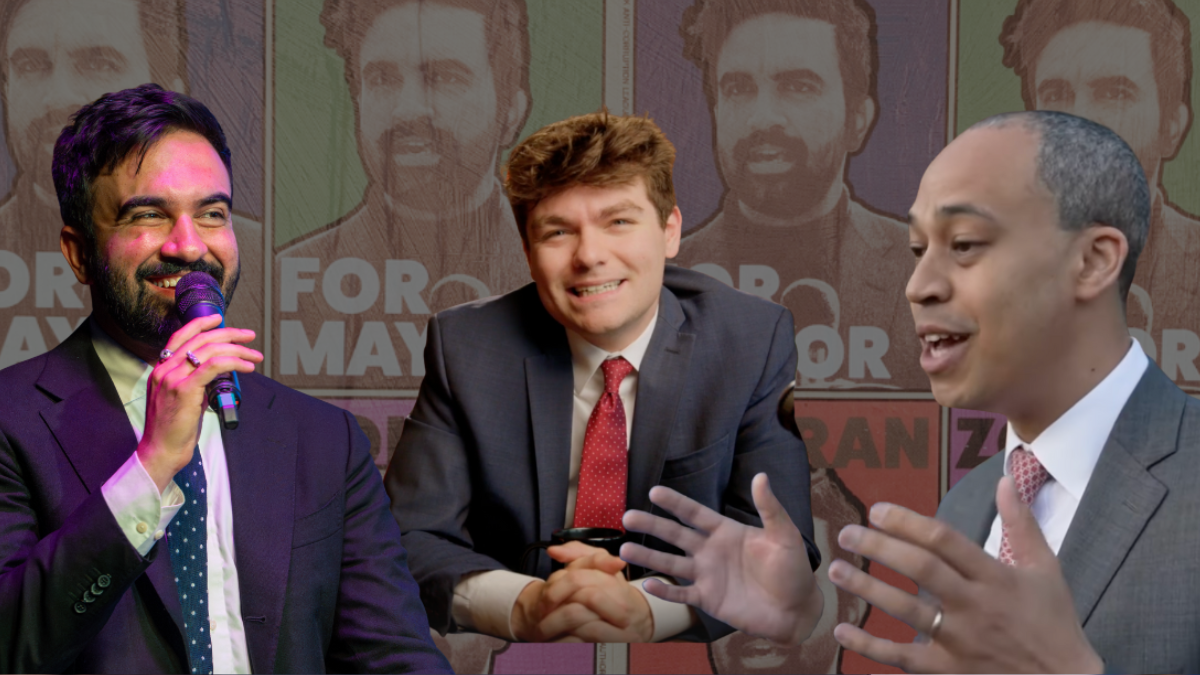
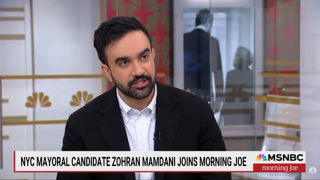
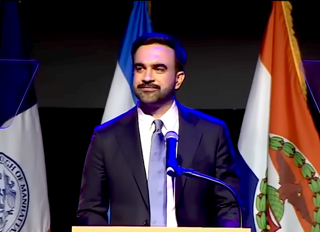
New York City stands at a pivotal crossroads in its political history. The election of Zohran Mamdani, a 34-year-old Democratic Socialist and Queens state assemblymember, as the city’s 112th mayor has not only shattered age and ethnic barriers but also introduced a bold progressive agenda that promises to reshape the city’s future. As the youngest mayor in over a century and its first Muslim and South Asian leader, Mamdani’s ascent reflects a shift in the city’s political landscape toward policies emphasizing affordability, social equity, and structural change.
Mamdani’s campaign resonated deeply with a diverse and increasingly progressive electorate weary of traditional political establishments. His focus on fare-free city buses, universal childcare, and city-owned grocery stores represents a significant departure from conventional urban governance, aiming to tackle the persistent crises of housing affordability and economic inequality. However, translating these ambitious promises into practical governance will test both his administration’s resolve and New York’s political institutions.
Historic Mayoral Victory and Its Significance
"Zohran Mamdani’s win signals a progressive urban revolution, but governance demands pragmatic balance beyond ideological zeal."
Zohran Mamdani’s victory in November marked several historic milestones for New York City. Being the youngest mayor in more than 100 years, alongside becoming the city’s first Muslim and South Asian mayor, symbolizes a widening of political representation in a city historically defined by immigrant and minority communities. This election reflects the growing influence of younger, progressive voters who reject the old guard and demand transformative change. His decisive win over former Governor Andrew Cuomo, who ran as an independent after losing the Democratic primary, further highlighted a rejection of establishment politics and a yearning for new leadership.
The election’s outcome also signals a notable ideological shift. Mamdani's platform built on Democratic Socialist principles challenges entrenched norms of city management, especially regarding labor, housing, and social services. His inauguration, notable for its emphasis on inclusivity and symbolic gestures representing the city’s diversity, underscored his commitment to embracing and representing New York’s multifaceted identity. However, critics argue that such historic symbolism must be balanced with pragmatic governance capable of addressing real-world challenges in one of America’s most complex cities.
The significance of Mamdani’s win cannot be overstated. New York City has long been a barometer for national trends, especially in urban policy and political ideology. His victory suggests a widening gap between metropolitan political leanings and those of surrounding regions and states. This dynamic complicates governance as municipal leaders pursue agendas that may conflict with state and federal priorities, particularly around taxation, law enforcement, and regulatory frameworks.
Progressive Platform: Ambitions and Implications
Central to Mamdani’s political identity is an ambitious progressive platform that challenges orthodox policy frameworks on multiple fronts. The fare-free city bus proposal is a concrete attempt to reduce transportation costs for millions of New Yorkers, especially working-class and low-income residents who rely heavily on public transit. The rationale behind it extends beyond affordability; it includes goals of reducing traffic congestion, lowering carbon emissions, and fostering environmental sustainability in one of the world’s most trafficked cities.
Universal childcare, another cornerstone of Mamdani’s agenda, addresses entrenched barriers to workforce participation, particularly for women and low-income families. Childcare costs in New York City have long been prohibitive, forcing many parents into difficult economic trade-offs. By making childcare freely available, the policy aims to unleash economic potential and address systemic inequities. Implementation, however, faces challenges in budget constraints, capacity-building, and coordination with existing private and non-profit providers.
Mamdani’s vision to create city-owned grocery stores targets the issue of 'food deserts'—areas where access to affordable, nutritious food is limited. This approach challenges conventional market dynamics by expanding government intervention into a traditionally private sector domain, provoking criticism from fiscal conservatives who warn against inefficiencies and market distortions. Yet supporters argue that this could serve as a model for addressing urban food insecurity more directly and equitably, particularly in underserved neighborhoods.
The feasibility of these proposals requires intricate budget management and innovative funding mechanisms. Critics caution that city coffers face substantial pressures already from pension liabilities, infrastructure demands, and existing social service commitments. Without clear plans for sustainable financing, these reforms risk running into the typical pitfalls of ambitious urban experiments — overspending, bureaucratic entanglements, and unintended consequences.
Political Landscape and Challenges Ahead
Mamdani’s rise has injected new energy into New York’s political scene, but also deepened divisions within the city’s Democratic Party and beyond. His association with Democratic Socialist movements has triggered backlash among more moderate and conservative elements who fear a drift toward policies resembling what some disparagingly call 'sewer socialism'—a reference to excessive municipal government interventions historically criticized for inefficiency and fiscal irresponsibility.
Some members of the political establishment appear willing to overlook alleged irregularities and controversies surrounding Mamdani’s campaign in pursuit of ideological alignment, an approach that introduces questions about electoral accountability. These include reports of possible election law violations and scrutiny of the campaign’s operational conduct, discussed in detail in our coverage on election controversies and fitness criticisms.
Beyond political wrangling, governing New York requires navigating entrenched bureaucracies, complex stakeholder interests, and persistent social challenges. The city’s recent crime spikes, heightened by incidents such as the knife attack on Asian and Jewish men and threats of terrorism, underscore the necessity for effective public safety policies that balance law enforcement with community trust.
Economic pressures, including debates on property tax hikes, further complicate the political environment. Middle-class taxpayers, essential for the city’s revenue base, express concerns about increased fiscal burdens, while Mamdani must ensure funding for his ambitious social programs without precipitating capital flight or business disinvestment.
Broader Implications for Urban Politics and Conservatism
Mamdani’s ascendancy reflects a broader national pattern where progressive urban centers increasingly adopt policies divergent from surrounding conservative states, often resulting in political friction and policy incoherence. This dynamic invites conservatives to refine their critiques by distinguishing between ideological opposition and constructive engagement aimed at crafting workable solutions for affordability and inequality.
Conservative commentators have emphasized the risks of expanding government roles beyond prudent limits, underscoring the importance of economic vitality, market efficiencies, and individual liberty. However, there is also recognition of structural problems—rising housing costs, inadequate social services, and urban decline—that cannot be ignored. The conservative challenge lies in offering practical, innovative alternatives that address these issues without resorting to what they consider counterproductive government overreach.
Urban elections like New York’s spotlight intergenerational and demographic shifts, with younger and more diverse voters increasingly embracing progressive agendas. Conservatives aiming to regain urban footholds must contend with these trends, develop messaging resonant with these constituencies, and propose policies that blend liberty with social responsibility.
This election also raises questions regarding immigration, cultural identity, and educational institutions, which have been focal points in debates about the city’s future trajectory. Our reporting on concerns about immigration values and higher education's political influence provides further context on how these factors shape electoral outcomes and policy directions.
The Road Ahead: Policy Implementation and Public Response
With his inauguration completed, Mayor Mamdani transitions from campaigning to governing in a city fraught with high expectations and serious challenges. Implementing fare-free bus service will require wariness about funding shortfalls as well as operational capacity, such as fleet maintenance and scheduling. Similarly, universal childcare demands partnerships with community organizations, training programs for providers, and oversight to ensure quality without ballooning costs.
Balancing social reform with public safety remains a critical mission. Integrating swift law enforcement responses to hate crimes and violent incidents while maintaining community trust will test Mamdani’s ability to unify stakeholders. Incidents like the homemade bomb thrown at a protest, which authorities investigated as possible terrorism, illustrate the volatility the city faces.
Political resistance from conservatives and moderates alike will likely center on calls for fiscal discipline and concerns regarding government scope creep. Our analysis of government control pushes explores the tensions between democracy-driven policy ambitions and practical governance constraints.
Public reaction to tax proposals and social programs is critical. Middle- and working-class voices have expressed skepticism about tax hikes, demanding accountability and efficiency. Resistance or support will hinge on the administration’s ability to demonstrate measurable improvements, uphold city services, and maintain economic competitiveness.
In this sense, Mamdani’s tenure will not only affect New York's trajectory but also serve as a bellwether for progressive urban governance experiments nationwide. The success or failure of his policies could reshape policy debates across other cities, influencing how conservatives and progressives alike approach the urban challenges of the 21st century.
Ultimately, the unfolding political, social, and economic shifts in New York City under Mamdani’s leadership encapsulate the broader ideological struggles gripping the nation. Finding a pragmatic balance between bold reform and effective administration remains the crucial test ahead.
Frequently asked questions
Who is Zohran Mamdani and what makes his election historic?
Zohran Mamdani is New York City’s 112th mayor, notable for being the youngest in over a century and the city’s first Muslim and South Asian mayor.
What major policies did Mamdani campaign on?
His key proposals included fare-free city buses, universal childcare, and city-owned grocery stores to address affordability and equity.
How did Mamdani’s victory reflect changes in New York’s political climate?
His win showed a shift away from establishment politics toward progressive, socialist-leaning policies supported by younger and diverse voters.
What challenges does Mamdani face as mayor?
He must balance ambitious reforms with fiscal realities, public safety concerns, political opposition, and bureaucratic complexities.
Why have some conservatives criticized Mamdani’s platform?
Critics argue that his policies may lead to excessive government intervention, fiscal imprudence, and hamper economic growth.
How does Mamdani’s election affect national urban policy debates?
His administration will influence the conversation on progressive urban governance, social equity, and the limits of government expansion.
Timeline of our coverage
- 2026-08-08 — NYC Mayor Orders Crackdown on Online E-Bike Retailers Amid Fatality Spike
- 2026-07-24 — NYPD Probes Possible Hate Crime After Knife Attack on Asian and Jewish Men
- 2026-07-21 — Army Veteran Charged in Anti-ICE Attack Outside NYC Federal Building
- 2026-07-06 — Democrats Push for Government Control in Housing and Health Care Under Mamdani's Leadership
- 2026-06-25 — NYC Socialist Leader Linked to Chinese Communist Party Propagandist
- 2026-03-09 — 'Homemade Bomb' Thrown at NYC Protest, Authorities Investigate Possible Terrorism
- 2026-03-02 — New York Mayor Proposes Property Tax Hike, Sparking Debate on Middle-Class Taxation
- 2025-11-18 — Conservatives Face Criticism Over Affordability Crisis Solutions
- 2025-11-13 — Young Women Propel Zohran Mamdani's Victory in NYC Mayoral Race
- 2025-11-12 — Mamdani's Mayoral Victory Highlights Concerns Over Immigration Values
- 2025-11-10 — Mamdani's Mayoral Victory Highlights Concerns Over Higher Education's Role in Political Shift
- 2025-11-06 — Leftist Politicians Are More Dangerous Than Radicals On Podcasts
- 2025-11-06 — NYT Is Terrified Of Mamdani, The Mayor It Helped Create
- 2025-11-05 — Mass Migration Made A Ugandan Socialist Mayor Of NYC
- 2025-11-05 — NYC Voters Elect Communist Zohran Mamdani As Next Mayor
- 2025-11-03 — UK MP Jeremy Corbyn Campaigns for NYC Mayoral Candidate Zohran Mamdani
- 2025-10-29 — Criticism of Clergy Supporting Socialist Mayoral Candidate in NYC
- 2025-10-27 — Mamdani: The Real Victim Of 9/11 Was My Muslim Aunt
- 2025-10-23 — Here Are The Biggest 2025 Races And Ballot Measures
- 2025-10-22 — Critics Question Viability of Zohran Mamdani's 'Sewer Socialism' in New York City
The Bottom Line
- Mamdani’s election reflects a broad shift toward progressive politics in major U.S. cities, impacting national political trends.
- His platform challenges traditional urban governance, proposing government expansions that test fiscal and administrative limits.
- The election highlights generational and demographic changes in the electorate demanding new political representation.
- How Mamdani governs will influence debates on balancing social equity with economic vitality and public safety.