Understanding Violence in America: Media, Rhetoric, and Reality
Explore the intricate relationship between political rhetoric, media portrayal, and violence in America. A comprehensive analysis of current trends.
Additional reporting by Theo Ramirez, Oliver Brown
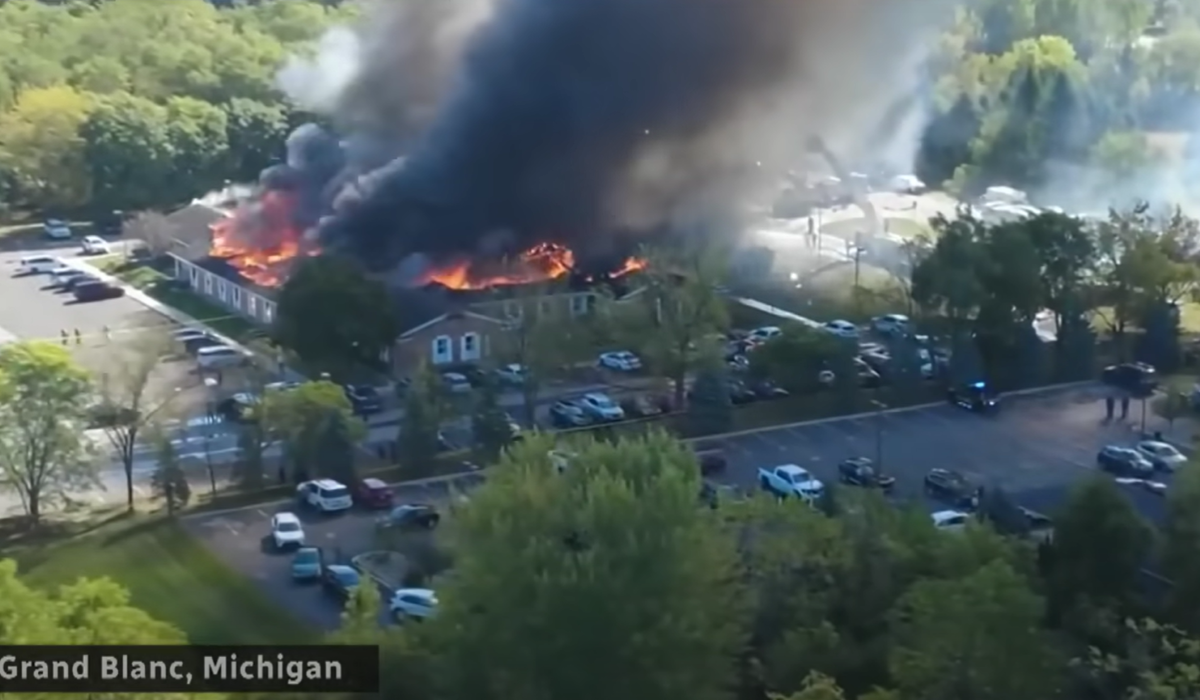
The landscape of violence in America is shaped by a complex interplay of political rhetoric, media representation, and societal attitudes. In recent years, incidents of violence, particularly those connected to immigration and minority communities, have raised urgent questions about how these factors contribute to a growing culture of hostility. Understanding this relationship is essential for fostering informed debates and policies designed to address the root causes of violence in society.
As political tensions rise and communities grapple with division, it is imperative to critically evaluate the narratives constructed around violence. This investigation reveals not only the alarming trends in reported violence but also the role that political leaders and media outlets play in shaping public perception and fueling discontent. By dissecting these elements, we can gain insight into how to navigate a path toward a more harmonious society, free from the specter of violence that has too often marked American life.
The Role of Political Rhetoric
"The interplay of violent rhetoric and biased media reporting fuels a dangerous culture of aggression in American society."
Political rhetoric has the power to shape public discourse and influence attitudes toward specific groups. In recent years, inflammatory language has often been used by political figures to describe immigrants. Terms like 'invasion' and 'criminal' have not only dehumanized those seeking refuge in America but have also fostered a hostile environment that can lead to violence. Studies indicate that such rhetoric amplifies fear and resentment, making it easier for individuals to justify acts of aggression against those labeled as outsiders.
The implications of this rhetoric are profound. Reports show a significant increase in hate crimes and discriminatory actions directed at immigrants and minority communities. For instance, between 2022 and 2023, there was a marked rise in anti-Muslim incidents, with over 8,000 reported cases of discrimination and violence. This represents a staggering 56% increase compared to previous years—a clear indication that political language can translate into real-world consequences and increased threats to safety and security.
Moreover, the connection between political discourse and violence extends beyond the immigrant community. Rhetoric used in campaigns can heighten tensions around political discussions, leading to polarization. Citizens begin to view those with dissenting opinions not merely as rivals but as existential threats. This shift in perception can escalate into aggressive encounters, fueling a cycle of violence that undermines democratic dialogue and civic engagement. Such dynamics were evident in debates surrounding ICE enforcement and the recent debate over activists' deaths, highlighting the urgency of addressing how language affects behavior.
Media Coverage and Its Impact
Media coverage plays an equally critical role in framing discussions about violence. Mainstream news outlets often find themselves at the crossroads of political narratives and public understanding. However, this balance is frequently disrupted by biases in reporting. For example, coverage of violence targeting marginalized groups, such as the transgender community, has seen a dramatic decrease—at an all-time low of just 29 minutes across major networks in 2023. This glaring omission not only misinforms the public but also perpetuates a narrative of invisibility around vital issues that deserve attention.
Critics argue that selective reporting skews public perception and contributes to a lack of support for policies that could mitigate violence. Coverage tends to focus heavily on incidents involving undocumented immigrants, sidelining other pressing concerns like drug trafficking and domestic violence, which also significantly impact public safety. This approach can create a perception that certain forms of violence are more acceptable or less urgent than others, a notion that plays into various political agendas. For instance, discussions were sparked following the analysis of recent political violence, showcasing how the media's framing of violence often correlates with the political leanings of those involved.
Additionally, the media's focus can amplify or downplay particular events, influencing public awareness and action. For instance, after incidents of violence involving ICE, the public's attention was drawn more towards the actions of protesters rather than the circumstances leading to the confrontation. Such narratives have a way of shaping community attitudes, resulting in either support for or an outcry against enforcement policies. This was evident during the New Jersey riots, where the media's portrayal shifted perceptions of both the protesters and the law enforcement response.
The Intersection of Reality and Perception
The growing disconnect between the perceived reality of violence and the actual statistics is alarming. While certain narratives focused heavily on the rise of right-wing extremism, data indicates a troubling landscape where all extremist-related murders in 2023 were linked to right-wing ideologies. This statistic underscores a need for more nuanced discussions that go beyond mere finger-pointing and engage with the root causes of violence. It is crucial to scrutinize not only who commits these acts but also why they feel compelled to do so.
Yet, even as certain types of violence receive disproportionate coverage, the overall trend of violence in society requires a balanced analysis. The discourse must also reflect on issues like family structure, social isolation, and community disintegration that often serve as underlying factors in violent behavior. Analyzing the link between family structure and school shootings provides a broader context to understanding motivation and context, helping to direct attention towards preventive measures rather than solely reactive policies.
Additionally, public narratives surrounding violence should explore not just ideological extremism but also how socioeconomic factors interplay with violence. The media might illuminate how disparities in wealth, education, and access to resources can spark an environment ripe for violence, echoing sentiments expressed in communities disillusioned by political gridlock. Therefore, a comprehensive understanding demands an exploration of these intersecting elements rather than a focus solely on partisan perspectives.
Promoting Responsible Discourse
Supporting a more informed and constructive discourse regarding violence is essential for addressing the issue at its core. Both politicians and media outlets bear a responsibility to utilize language that fosters empathy and understanding rather than division. Engaging political leaders to challenge the rhetoric that demonizes certain groups is a critical step toward reducing the stigma surrounding discussions of violence and its causes. Such measures can transform public perception and encourage cooperative discourse that seeks solutions rather than perpetuating fear.
Moreover, media outlets must commit to providing balanced coverage that reflects the complexity of violence. This involves highlighting not only violent incidents but also the incredible effort undertaken by communities to heal and come together in moments of crisis. Reporting should prioritize stories of resilience and cooperation in the wake of violence, fostering an environment where collaborative solutions can be nurtured. Initiatives that spotlight success stories, combined with critical examinations of ongoing challenges, can help cultivate a narrative that counters the prevailing focus on division and wariness.
Community engagement is also vital in this equation. By promoting dialogues that include diverse voices from affected communities, we can begin dismantling stereotypes that contribute to violence. Involvement in community responses to violence—what has been discussed in the context of the media's role in shaping public opinion—creates opportunities for shared understanding and collective activism. Engagement helps bridge gaps between different demographics, focusing on what unites us rather than what divides us.
Addressing Societal Roots of Violence
To root out the causes of violence, society must engage in a holistic examination of its structural issues. This involves addressing the socioeconomic inequalities often at play. Improving access to education, healthcare, and economic opportunities are fundamental ways to diminish the breeding grounds for violence in communities most affected. Policy initiatives that offer pathways to improvement can help uplift marginalized populations and reduce the tensions that often lead to violent encounters.
Additionally, prioritizing family structure reform and support systems can significantly influence overall societal health. Programs designed to strengthen family bonds and provide emotional and psychological resources are vital. Given the connection between family dysfunction and instances of youth violence, targeted community services could dramatically shift outcomes. In doing so, we tackle the underlying issues rather than merely responding to the aftermath of violence.
Lastly, fostering more comprehensive community dialogues surrounding violence is necessary. This expands to conversations around not just prevention but also recovery and resilience. Communities that work together to forge connections and share resources are better equipped to withstand pressures that can lead to violence.
Ultimately, addressing violence in America requires genuine effort across multiple fronts—political, media, and community engagement. Acknowledging how rhetoric shapes perceptions and reality, alongside a commitment to comprehensive reporting, can pave the way towards a more resilient society capable of withstanding and ultimately diminishing the forces of violence.
Frequently asked questions
How does political rhetoric influence violence?
Inflammatory political language can dehumanize groups and incite violence.
Why is media representation important?
Media shapes public perception; biased coverage can perpetuate violence and misunderstanding.
What role do socioeconomic factors play?
Inequities can create conditions that foster violence, necessitating systemic change.
How can communities respond to violence?
Proactive engagement around shared values can address root causes and promote healing.
What can be done to improve discourse?
Encouraging empathetic dialogue and responsible language can reduce division and violence.
Timeline of our coverage
- 2026-06-11 — Belfast Attack Sparks Debate Over Immigration and Media Coverage
- 2026-06-01 — New Jersey Riots Lead to Arrests of Protesters Outside ICE Facility
- 2026-05-05 — Media Debate Over Political Rhetoric Intensifies Following Recent Violence
- 2026-02-26 — CBS 60 Minutes Segment on South African Farmers Draws Criticism
- 2026-02-17 — Rhode Island Hockey Game Shooting Raises Questions About Media Coverage
- 2026-02-04 — Nurses' Social Media Posts Spark Outrage Over Violent Rhetoric
- 2026-01-27 — Debate Erupts Over Activists' Deaths Amid Rising Violence Against ICE
- 2026-01-26 — Fatal Confrontation in Minneapolis Raises Concerns Over Immigration Enforcement Climate
- 2025-10-03 — Virginia AG Candidate Jay Jones Faces Backlash Over Violent Comments
- 2025-10-02 — Spike in Google Searches Links Trump to Authoritarian Terms
- 2025-09-30 — Political Rhetoric Raises Concerns Over Violence in U.S.
- 2025-09-29 — Concerns Grow Over Live Streaming Church Services Amid Rising Violence
- 2025-09-25 — Democrats Criticized for Response to Political Violence
- 2025-09-24 — Bogus ADL Report Mislabels Leftist Violence As 'Right-Wing'
- 2025-09-17 — Can We Finally Admit The T In LGBT Stands For Terrorism?
- 2025-09-17 — Sen. Demands Answers About App Used By Kirk's Accused Killer
- 2025-09-17 — Media's Role in the Reaction to Charlie Kirk's Death Raises Questions
- 2025-09-15 — Teacher Who Allegedly Mocked Charlie Kirk's Murder Suspended
- 2025-09-12 — Concerns Rise Over Violent Themes in Recent LGBTQ+ Literature for Teens
- 2025-09-12 — Violence and Political Rhetoric in America: Recent Incidents Raise Concerns
The Bottom Line
- Understanding the causes of violence is essential for fostering a safer society.
- Better discourse influences public perception and policy for positive change.
- Challenging harmful narratives can pave the way for inclusive dialogue.
- Analyzing media biases helps ensure accountability and responsible reporting.