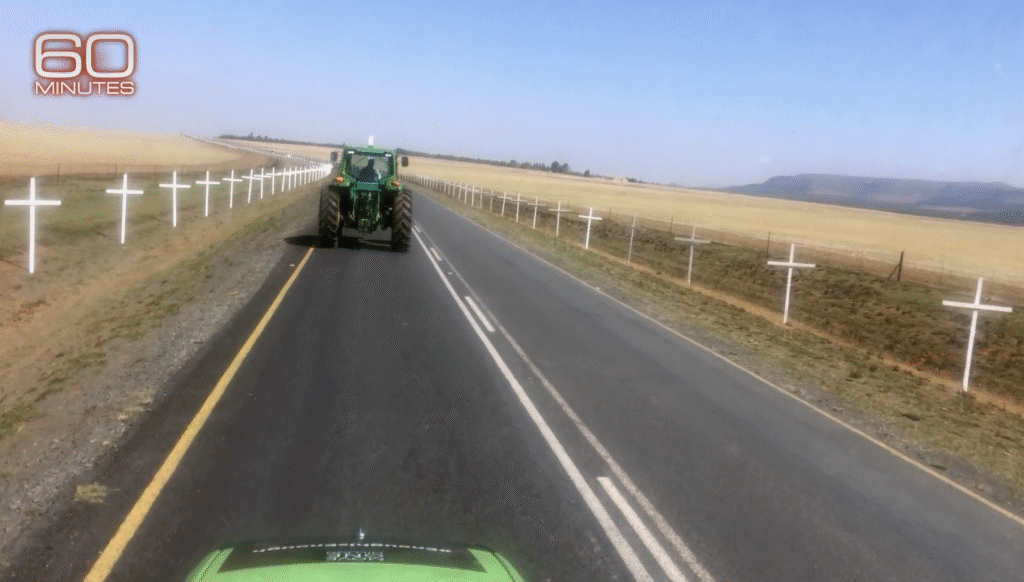
In a recent episode of CBS's 60 Minutes, host Anderson Cooper aimed to challenge President Donald Trump's assertion that over 1,000 white South African farmers were buried along a rural road marked by white crosses. Trump had previously highlighted these crosses during a visit from South African President Cyril Ramaphosa, suggesting that the violence against white farmers warranted international attention and amounted to genocide.
Explainer Understanding the Transgender Discourse: Rights, Policies, and Challenges
The segment's central tension revolves around the portrayal of violence against white farmers in South Africa, with Cooper attempting to refute Trump's claims while inadvertently highlighting the severity of the issue. Critics argue that the media's framing often downplays the reality of farm attacks, which have been a persistent concern since the end of apartheid.
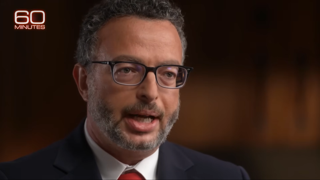
Cooper traveled to South Africa to investigate the crosses, which he found were no longer present. He interviewed the farmer who had erected them, who clarified that they were temporary memorials rather than burial sites. This distinction was presented as a decisive correction to Trump's claims. However, the farmer's testimony about the brutal attacks on his family and friends undermined Cooper's narrative. "My father was brutally attacked, and three of my closest friends were murdered on their farms," the farmer recounted, emphasizing the personal toll of the violence.
Context of Violence Against Farmers
The issue of violence against white farmers in South Africa is not new. In 1998, former President Nelson Mandela condemned the "cold-blooded killings that have been taking place on the farms in the past few years," noting a dramatic increase in murder and assault incidents. Despite this historical context, Cooper's report largely focused on the semantics of the crosses, neglecting the broader implications of the violence.
The segment also featured an interview with the widow of one of the murdered farmers, who witnessed her husband's killing. Cooper's questioning shifted to the couple's son, seemingly downplaying the gravity of the situation. Critics argue that this approach trivializes the trauma experienced by families affected by farm violence. The widow's perspective was not fully explored, particularly regarding her views on whether the attacks constituted genocide, a term Cooper did not define during the segment.
Historical Significance of the Boers
Understanding the historical context of the Boers is essential to grasping the current situation. The term "Boer" refers to the Afrikaans-speaking descendants of the original European settlers in South Africa, who established much of the agricultural foundation of the country. This demographic has faced significant violence, with groups tracking farm attacks reporting thousands of murders since the end of apartheid in 1994.
Organizations like AfriForum, which represents Afrikaner interests, document approximately one farm attack per day. While the exact figures can be debated, the scale of violence is concerning, particularly given that there are only about 30,000 commercial farmers in South Africa. This statistic places the murder rate of white farmers at roughly three times the national average, a fact that was not addressed in Cooper's report.
Media's Role in Framing the Narrative
The 60 Minutes segment has drawn criticism for its focus on a semantic distinction while failing to acknowledge the underlying reality of violence against farmers. Critics argue that by concentrating on whether the crosses were graves or memorials, the report missed the broader implications of the violence and the historical significance of the Boers in South Africa.
In the end, Cooper's attempt to debunk Trump's claims inadvertently documented the very issues Trump highlighted. The segment's framing raises questions about how media narratives shape public understanding of complex issues such as farm violence in South Africa. While Cooper aimed to clarify the situation, the testimonies presented during the segment underscored the ongoing challenges faced by farmers in the region. Supporters of the media's approach argue that it is essential to provide accurate information, but they did not respond to the specific criticisms raised by those who feel the segment downplayed the severity of the violence.