Churches are increasingly scrutinizing the practice of live streaming services, with some leaders advocating for a halt due to security and spiritual concerns. This shift follows a series of violent incidents targeting places of worship across the United States.
Recent Violent Incidents
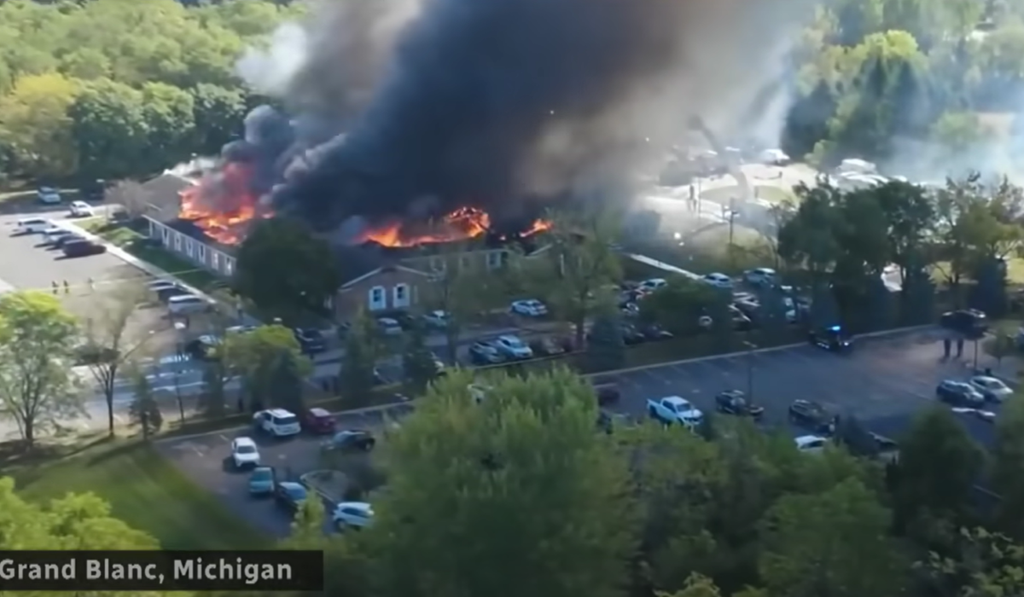
In August and September 2025, several tragic events raised alarms about the safety of congregations. On August 27, two students were fatally shot at Annunciation Catholic Church in Minneapolis. Shortly thereafter, on September 10, Christian leader Charlie Kirk was assassinated in Utah. The situation escalated on September 28, when at least four attendees were killed at the Church of Jesus Christ of Latter-day Saints in Grand Blanc Township, Michigan. These incidents have prompted church leaders to reconsider the implications of live streaming services.
"When a church live streams its service, a potential attacker can study videos of the service and find the layout of the sanctuary."
— Beth Brelje, elections correspondent for The Federalist
Security Concerns
Critics of live streaming argue that it may provide potential attackers with critical information about church layouts and congregation vulnerabilities. Beth Brelje, an elections correspondent for The Federalist, stated, "When a church live streams its service, a potential attacker can study videos of the service and find the layout of the sanctuary. We don’t know if video feeds have been used in planning attacks, but there is no reason to provide evil actors with such access." This perspective highlights the potential risks associated with broadcasting services online.
The practice of live streaming gained traction during the COVID-19 pandemic, as many churches were forced to close their doors. While some congregations embraced the technology to maintain connections with their members, others are now questioning its long-term impact on community engagement and safety.
The Case for Live Streaming
Supporters of live streaming argue that it enables individuals who cannot attend in person—due to health issues, distance, or other commitments—to participate in worship. They contend that it helps maintain connections with former members and allows families to share significant events, such as baptisms, with loved ones who are far away.
However, Brelje argues that the convenience of streaming can detract from the communal experience of church. She remarked, "If you can pause your church service to answer the phone, you are just watching a show. Streaming is no longer keeping us connected. It removes us from the sacred and has become an excuse to avoid fellowship."
Many church leaders emphasize the importance of in-person participation for fostering community. Pastor John Smith of a local congregation stated, "Church is more than passively watching a sermon and some worship songs from a distance. It requires participation." He added that church serves as a place for healing, growth, and serving others, which cannot be fully realized through a screen.
Privacy and Alternatives
Concerns about privacy also arise with live streaming. Members may be unaware that they are being recorded, leading to potential discomfort regarding personal information being shared publicly. In response, some church boards are considering alternatives, such as offering audio-only streams or requiring passcodes for access.
Instead of relying on live streams to attract newcomers, many church leaders advocate for direct community engagement. Suggestions include organizing carpooling for members who cannot drive, visiting those unable to attend services, and participating in local events to foster relationships outside the church building.
As discussions continue, churches are encouraged to weigh the benefits and drawbacks of live streaming. The focus remains on fostering fellowship and community, which many believe is the core mission of any congregation.