The assassination of conservative figure Charlie Kirk has raised concerns about the potential links between the transgender movement and domestic terrorism. The suspect, Tyler Robinson, was reportedly in a romantic relationship with a transgender individual, which has added complexity to the narrative surrounding the case.
Explainer Understanding the Transgender Discourse: Rights, Policies, and Challenges
Robinson allegedly engraved his ammunition with phrases associated with transgender and Antifa ideologies. A text exchange revealed that he confessed to his boyfriend about the killing during the manhunt, although the boyfriend did not report this to authorities at the time. Instead, it was Robinson's father who alerted law enforcement.
Kirk's assassination follows closely on the heels of a mass shooting at Annunciation Catholic Church in Minneapolis, where the shooter, who identified as a woman, killed two children and injured 21 others. Despite the shooter’s clear expressions of intent documented in a journal, mainstream media have described the motive as a mystery.
In the journal, the shooter expressed regret about their gender identity and included violent imagery directed at Christians. This incident, along with previous attacks involving transgender individuals, has led some to argue that there is a growing trend of violence linked to radical elements within the transgender community.
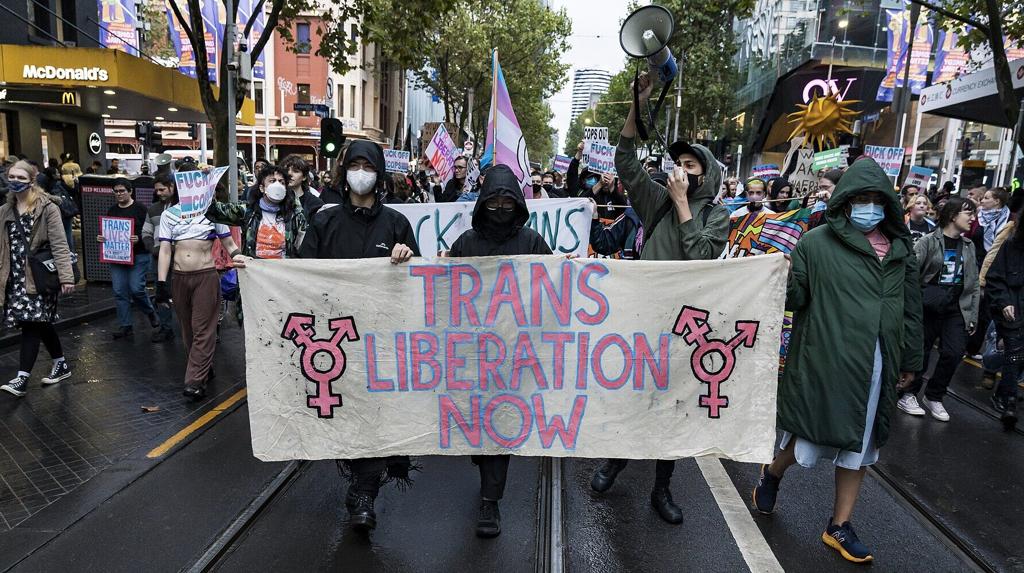
Critics point to a history of violent rhetoric and actions from some transgender activists, suggesting that these incidents reflect a broader ideological battle. The phrase “Punch a TERF,” (S3 Documentcloud) which stands for trans-exclusionary radical feminist, has been used to justify aggression against those who oppose radical gender ideology.
The FBI has been criticized for its perceived failure to address the rising threat of violence from radicalized transgender individuals, while simultaneously labeling other groups, such as conservative Catholics, as potential domestic terrorists. Calls have emerged for the agency to reevaluate its priorities and focus on actual threats, including those posed by extremist factions within the transgender movement.
As the discourse around these incidents continues, the implications for law enforcement and public policy remain significant. Advocates for stricter scrutiny of radical ideologies argue that failure to recognize and address these threats could lead to further violence against conservative individuals and communities.
The ongoing debate reflects deeper societal divisions regarding gender identity and the rights of individuals versus the safety of communities. As incidents of violence linked to ideological extremism increase, the need for a comprehensive understanding of these dynamics becomes ever more critical.