Understanding Midterm Elections: Voter Trends, Security, and GOP Strategy
Explore the dynamics of U.S. midterm elections, covering voter turnout, election security challenges, redistricting battles, and Republican mobilization efforts.
Additional reporting by Liam Walker, Oliver Brown
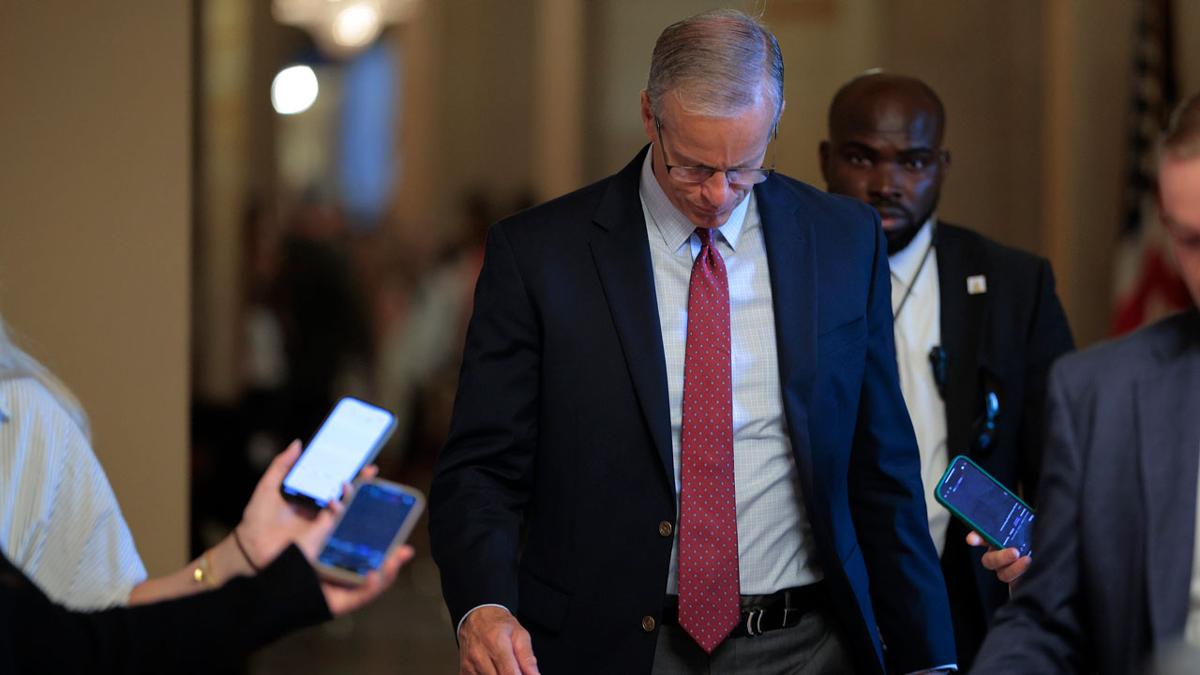
Midterm elections in the United States represent a critical juncture for political power, where control of Congress can shift dramatically. These elections typically serve as a referendum on the sitting president’s administration and policy direction, with voters expressing approval or frustration through their ballots. The stakes are particularly high because every two years, all 435 seats in the House of Representatives and about one-third of Senate seats are contested. Moreover, dozens of gubernatorial races coincide with these congressional battles, shaping state leadership and policy agendas for years to come.
As a fiercely competitive environment, midterms generate intense attention from political parties, advocacy groups, and voters alike. Historically, the opposition party often gains ground during midterms — a pattern many political analysts expect to continue. However, the complexity of modern election dynamics, including demographic shifts, technological challenges, and legislative battles over voting rules, makes every cycle unpredictable. This explainer delves into the multifaceted aspects of midterm elections, focusing on voter trends, election security, redistricting disputes, and GOP strategy as conservatives prepare for these consequential contests.
Shifting Voter Demographics and Early Voting Trends
"Midterms remain the arena where conservative values meet fierce challenges, demanding vigilance in security, turnout, and legislative strategy."
Voter turnout during midterm elections is traditionally lower than in presidential years, but recent cycles have seen a surge in early and absentee voting. This increase reflects broad changes in election administration and voter behavior, with ample early access helping accommodate busy schedules and promote greater participation. Particularly noteworthy is the heightened engagement among historically underrepresented groups, including Black, Hispanic, and unaffiliated voters. Over 39 million Americans have already cast early ballots, signaling heightened interest and mobilization across diverse constituencies.
Democrats are often credited with successfully expanding their coalition through outreach to minority voters and younger demographics. However, Republicans have been working vigorously to galvanize their base, leveraging conservative media and grassroots organizations. The battle to shape the electorate often hinges on turnout efforts that maximize favorable demographics while mitigating opposition participation. These demographic shifts and early voting patterns will heavily influence control of the House and Senate.
Amid these trends, another layer of complexity arises from partisan disputes over absentee ballot procedures and early voting rules. Courts have repeatedly been called upon to clarify and sometimes restrict voting methods, as seen recently when a federal judge rejected attempts to loosen absentee ballot rules in North Carolina. Such rulings reflect conservative concerns about election integrity and fraud risks, emphasizing that expanded mail-in voting should not come at the expense of rigorous safeguards.
More broadly, the evolution of early voting underscores the tension between improving voter access and preventing potential abuses. For conservatives, the focus remains on implementing strict ID requirements and secure chain-of-custody policies for ballots, seeking to close gaps that could enable fraud without discouraging legitimate voters. Policymakers and election officials continue to navigate these pressures carefully, reflecting an ongoing national dialogue about how to maintain both accessibility and integrity in the democratic process.
Heightened Election Security and Cyber Threats
Election security has taken center stage as a critical issue affecting public confidence and democratic legitimacy. The Trump administration had previously implemented widespread election security measures aimed at fortifying defenses against cyberattacks and voter fraud. These efforts emphasize the adoption of voter-marked paper ballots and extensive auditing protocols to ensure accurate vote counts and transparency. Despite these precautions, vulnerabilities persist, and ongoing cyber threats challenge officials at both federal and state levels.
For instance, a recent cyberattack on the Federal Election Commission caused service disruptions lasting nearly 41 hours, delaying the timely filing of campaign finance reports. Such incidents reveal the fragile nature of electoral infrastructure and highlight the necessity of continuous investment in cybersecurity defenses. Furthermore, the registration of over 5,000 malicious election-themed internet domains has raised alarms about the potential for misinformation campaigns and voter deception targeting Americans ahead of the midterms.
Conservative election integrity advocates argue for stringent controls on voting systems and heightened scrutiny of voter registration procedures, wary of anything that could undermine trust. Although critics claim these concerns may suppress voter participation, the conservative perspective insists that maintaining secure and transparent elections is paramount for preserving constitutional governance. The balance between accessibility and security remains a contentious but essential element of the modern electoral process.
The Trump administration's earlier sweeping election security measures underscore the priority conservatives have placed on this issue, reinforcing the premise that election integrity is a cornerstone of political legitimacy.
Looking forward, federal and state governments face an uphill battle to defend democratic institutions against increasingly sophisticated cyber adversaries. Beyond technical defenses, combating the spread of election misinformation calls for coordinated efforts between authorities and social media platforms—a balance conservatives often see as favoring free speech, preferring that efforts focus on bolstering voter understanding rather than imposing excess regulation. Ultimately, ensuring election security represents fundamental stewardship of the republic’s core processes.
The Impact of Redistricting and Gerrymandering Battles
Redistricting and the drawing of congressional boundaries are perennial sources of political conflict during midterms, often with far-reaching consequences for party control. After the decennial census, states redraw district lines to reflect population changes, and partisan control of this process can confer significant advantages. Republican strategists have increasingly used redistricting to secure favorable maps that enhance their electoral prospects, although this has led to legal challenges and allegations of gerrymandering.
Recent court rulings have reflected these disputes vividly. For example, the 8th Circuit Court of Appeals ordered Missouri to implement a GOP-drawn congressional map for the midterms after rejecting alternative maps, effectively cementing a Republican advantage in that state. Conversely, in Indiana, the GOP-backed redistricting plan was rejected by the state senate, illustrating the precarious and contested nature of these decisions across different states.
While Democrats have accused Republicans of manipulating districts to entrench power, conservatives emphasize that redistricting is a legitimate exercise of state authority to ensure equitable representation. Republicans argue that they respond to population trends and voter shifts, and equitable state control over district maps is consistent with constitutional principles. Nonetheless, the high-profile fights over districts underscore the strategic importance of geographic boundaries in shaping electoral outcomes. The long-term consequences of these map battles will influence legislative policy and representation well beyond a single election cycle.
Republican victories in redistricting battles, such as Florida’s governor signing a congressional map favoring GOP candidates, have been hailed as critical to consolidating conservative gains in Congress. These developments also remind conservatives of the need for sustained involvement at the state level to protect and expand political influence.
These conflicts illuminate the fundamental tension in American federalism over state versus federal authority. Conservatives often argue for devolving redistricting powers to states precisely to reflect local prerogatives and voter distributions. Meanwhile, opponents seek federal courts to intervene, which conservatives fear erodes state sovereignty and invites politicization. Thus, redistricting legal battles boil down to core questions about the constitutional balance of power and the safeguarding of fair representation within the framework of a republic.
GOP Challenges and Strategy Ahead of the Midterms
Republicans face a complex array of challenges heading into midterm elections, ranging from internal divisions to criticisms of campaign mobilization. Following mixed results in previous cycles, GOP leaders have been urged to sharpen their focus on a cohesive legislative agenda and improve voter outreach efforts. Despite a strong ideological base, some critics within the party argue that the lack of unity and effective engagement risks squandering potential gains.
Republican strategists have sought to leverage momentum from recent political successes including popular State of the Union themes that emphasize economic growth, immigration reform, and national security. The party has also faced pressure to take a more assertive stance on immigration, balancing enforcement priorities with debates over amnesty proposals. GOP lawmakers pushing immigration bills are navigating a delicate political landscape as they seek to address constituent concerns without alienating key voter blocs.
Mobilization efforts have received sharp scrutiny, especially as some analysts contend Republicans have lagged behind Democrats in grassroots organizing and early voter outreach. Conservatives acknowledge the need to enhance ground operations and messaging to counteract Democratic efforts to frame the midterms as a referendum on key issues such as inflation and social change. The challenge remains to translate enthusiasm into actual ballot box victories, particularly in swing districts and states.
In states like Virginia, where Republicans reflect on setbacks amid funding disparities and court rulings against gerrymandering that hurt the GOP, there is a growing recognition of the need to invest strategically in candidate recruitment and voter mobilization. A well-orchestrated campaign focused on conservative policy priorities could tip the balance in crucial races, underscoring the importance of disciplined party organization heading into the midterms.
Building on this, GOP leaders are also working to refine their policy messaging to capitalize on voters’ economic concerns. Emphasizing job creation, lower taxes, and energy independence, conservatives aim to present a tangible alternative to Democratic policy prescriptions. This proactive approach to connecting with everyday voters represents a strategic adjustment designed to counteract perceptions that the party is out of touch or fragmented.
The Broader Implications of Midterm Outcomes
The results of midterm elections have profound consequences for the direction of national policy and ideological balance in Washington. Legislative majorities determine the feasibility of conservative or progressive agendas, influencing everything from tax policy to judicial appointments and federal regulatory priorities. A Congress controlled by Republicans can act as a check on a Democratic presidency, advancing conservative values and restricting government overreach as conservatives envision it.
Midterm elections also send potent signals to the country about public sentiment and political health. Polls indicate that many voters, including independents and women, feel the country is on the wrong track, heightening the urgency for effective conservative policy answers. These sentiments create opportunities for the GOP to position itself as the party of pragmatic solutions, restoring confidence and economic vitality.
At the same time, election controversies over ballot security and partisan litigation fuel an atmosphere of mistrust that conservatives argue must be addressed through reforms that secure electoral integrity while safeguarding legitimate voter participation. The ongoing tension between accessibility and security reflects broader ideological divides about governance and civic responsibility.
Ultimately, midterms provide a vital democratic mechanism for accountability and renewal. As voters weigh competing visions for America’s future, the outcomes will define political control and set the stage for what policies Congress and the White House will pursue in the years ahead. For conservatives, the stakes never have been higher to unify around clear principles, safeguard the electoral process, and connect authentically with the American electorate.
Frequently asked questions
What makes midterm elections important for conservatives?
Midterms set the composition of Congress, enabling conservatives to influence or block legislation and confirm judicial nominees aligned with their principles.
How has early voting affected midterm turnout?
Early voting has increased participation, especially among minorities and younger voters, changing traditional turnout patterns and campaign strategies.
Why is election security a top priority in midterms?
Concerns over cyberattacks, misinformation, and fraudulent activities have spurred calls for robust safeguards to protect the integrity and trustworthiness of elections.
How do redistricting disputes impact midterm results?
Redistricting shapes electoral districts which can advantage one party over another, significantly affecting seat distributions and long-term political power.
What challenges does the GOP face in mobilizing voters?
Internal divisions, funding gaps, and competition with well-funded Democratic mobilization efforts complicate Republican strategies to maximize turnout.
What role do midterms play in reflecting voter sentiment?
Midterms act as a referendum on the sitting president and administration policies, often signaling public approval or dissatisfaction with current government direction.
Timeline of our coverage
- 2026-11-02 — Trump Administration Implements Sweeping Election Security Measures Ahead of Midterms
- 2026-10-21 — Federal Judge Rejects Attempt to Loosen North Carolina Absentee Ballot Rules
- 2026-09-22 — 8th Circuit Orders Missouri to Use GOP-Drawn Congressional Map for 2026 Midterms
- 2026-08-30 — Poll Finds Most Independents, Women Say U.S. on Wrong Track Ahead of Midterms
- 2026-08-09 — Kennedy Touts MAHA Movement’s Influence Ahead of November Midterms
- 2026-05-04 — DeSantis Signs New Congressional Map Favoring Republicans Ahead of Midterms
- 2026-04-23 — Virginia GOP Reflects on Gerrymandering Loss Amid Funding Disparities
- 2026-04-08 — GOP Lawmakers Push Immigration Bill Amid Criticism of Amnesty
- 2026-03-30 — Republicans Criticized for Lack of Mobilization Ahead of Midterms
- 2026-03-09 — Trump Faces Challenges Ahead of Midterms Amid Mixed Results
- 2026-02-25 — Republicans Seek to Leverage State of the Union Momentum Ahead of Midterms
- 2025-12-12 — Indiana Senate Rejects GOP Redistricting Plan Ahead of 2026 Midterms
- 2025-11-20 — Democrats Face Scrutiny Over Political Rhetoric Ahead of Midterms
- 2025-11-19 — Texas Court Blocks New Congressional Map, Impacting Midterm Elections
- 2025-11-18 — Leading Pro-Life Group To Spend $80 Million In 2026 Midterms
- 2025-11-17 — GOP Urged to Focus on Legislative Agenda Amid Internal Conflicts
- 2025-11-07 — Economic Concerns Dominate Voter Sentiment in Recent Elections
The Bottom Line
- Midterms determine control of Congress, shaping national policy for years.
- Voter turnout trends expose changing demographics critical to GOP strategy.
- Election security challenges threaten voters' confidence and ballot integrity.
- Redistricting battles influence political power and representation.


Sources
- FEC
- Techradar.com: Over 5 000 Malicious Domains Targeting 2026 Us Midterm Elections Spotted Going Live And They Could Be Used For Fraud Phishing Or Worse
- Techradar.com: Fbi Warns Of Torrent Of Scams And Deepfakes Ahead Of Us Midterm Elections
- Axios.com: Midterm Early Voting Trump Unaffiliated Voters (Oct 29, 2026)
- Axios.com: Election Security Paper Ballots Audits (Oct 28, 2026)
- En.wikipedia.org: 2026 United States Elections
- En.wikipedia.org: 2026 United States House Of Representatives Elections
- Csis.org: Terrorism Threat 2026 Midterm Elections What Data Tells Us
- Usafacts.org: Midterm Election Definition