The Legal Battle Over Fauci and COVID-19 Accountability: Transparency and Consequences
Explore the ongoing legal and political controversies surrounding Dr. Anthony Fauci and COVID-19 policies, focusing on transparency, congressional oversight, and accountability.
Additional reporting by Samira Brooks, April Clark
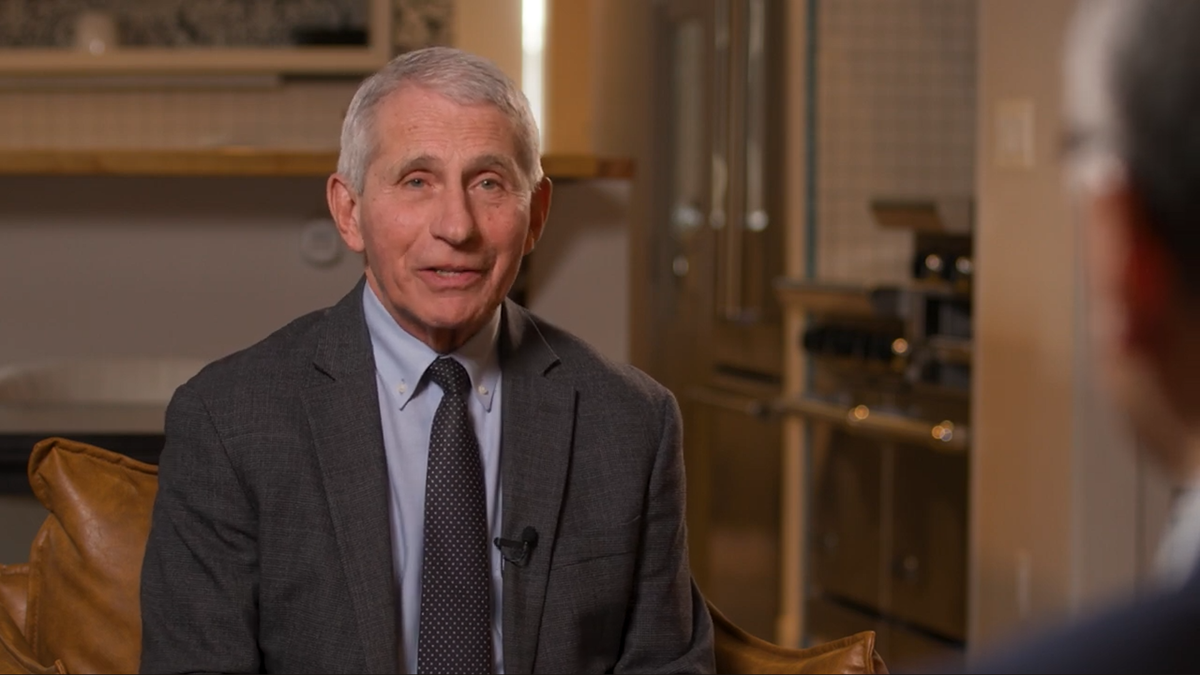
The COVID-19 pandemic sparked one of the most consequential public health crises in modern American history, generating an enormous debate about governmental transparency, public trust, and legal accountability. Central to much of this debate has been Dr. Anthony Fauci, longtime director of the National Institute of Allergy and Infectious Diseases (NIAID), whose role in guiding federal pandemic policies has since become a lightning rod for partisan controversy. More recently, investigations by Senate committees and legal authorities have sharpened the focus on Fauci's decisions and the government's overall pandemic response, especially as Republican lawmakers demand answers and accountability for alleged missteps and concealment of critical information.
At the heart of these developments are multiple congressional hearings, judicial referrals, and federal prosecutions related to the handling of key data about COVID-19’s origins, vaccine development, and governmental communication strategies throughout the pandemic. Dr. Fauci’s repeated invocation of the Fifth Amendment during high-profile Senate hearings and a former adviser’s guilty plea for evading federal records laws have intensified scrutiny. These events are not merely partisan skirmishes but raise profound questions about transparency standards, executive accountability, and the balance between public safety and constitutional rights amid a national crisis.
Congressional Oversight and Fauci’s Contempt of Congress
"Demanding transparency and accountability around COVID-19 is essential to preserving public trust and constitutional rights in crisis governance."
One of the most significant episodes in this ongoing saga unfolded during a Senate Homeland Security and Governmental Affairs Committee hearing held on July 29. Presided over by Senator Rand Paul, a vocal critic of pandemic-era policies, the hearing sought to probe the origins of COVID-19, the funding and ethics surrounding related research, and Fauci's role in policy adaptations. When summoned for testimony, Dr. Fauci invoked the Fifth Amendment over 100 times, refusing to provide answers on critical oversight questions. This legal shield prevented committee members from gaining clarity on several contentious issues, ranging from lab leak hypotheses to vaccine safety communications.
The committee responded by voting almost entirely along party lines to hold Fauci in contempt of Congress, a rare and serious rebuke signaling the legislative branch’s frustration with perceived stonewalling. While Senate Democrats defended Fauci's rights against self-incrimination, Republicans emphasized the necessity of transparency — especially when public funds and public trust are at stake. The Justice Department now has the dossier and will decide whether to press charges or pursue other legal remedies, underlining the complex intersection of congressional authority and judicial processes in this high-profile accountability battle. Related developments include the Senate panel referring the contempt charge to the DOJ.
This controversy exposes deep divides about how Congress should check executive officials during emergencies. Conservatives argue that Fauci’s consistent reluctance to answer questions undermines democratic oversight and hampers efforts to learn from pandemic errors. Meanwhile, some critics suggest that over-politicizing public health officials could deter future experts from serving. Nevertheless, the unfolding legal proceedings illustrate an essential democratic function: demanding answers from those entrusted with public health safeguards.
Transparency Failures and Federal Records Laws Violation
Beyond Fauci's personal testimony, another critical aspect of the accountability narrative involves federal transparency laws — specifically the federal records retention statutes designed to ensure the public’s right to access government documents. Dr. David Morens, a former senior advisor to Fauci, recently pleaded guilty to conspiring to evade these laws by deliberately using private email accounts to conceal communication about COVID-19 research and policy decisions. This admission reveals a conscious effort to sidestep public scrutiny at a pivotal moment in the pandemic response.
Such conduct fundamentally breaches essential principles of transparency. Government communications about life-and-death issues must be preserved and made accessible to enable oversight, policy evaluation, and civic trust. Morens’ guilty plea casts a long shadow on how pandemic information was managed within NIAID and related agencies, raising questions about the extent of institutional concealment and the potential consequences for public health and democratic governance. For more background on this development, see the report on Morens pleading guilty.
The broader implication is clear: without rigorous enforcement of transparency laws, government officials can evade accountability by exploiting technical loopholes. This may erode citizen confidence and obstruct investigations into pandemic failures. Conservatives, who emphasize limited government and personal responsibility, view such evasion as a direct challenge to constitutional checks and balances.
The Debate Over COVID-19 Origins and Funding Transparency
Another flashpoint in the accountability struggle relates to controversies surrounding the origins of the SARS-CoV-2 virus, which causes COVID-19. The so-called "lab leak theory," once dismissed as fringe, has increasingly gained traction following the release of internal documents and private messages from researchers. These documents reveal early concerns about potential lab-related origins and raise questions about the transparency of federally funded research projects involving coronaviruses. Recent revelations of Slack messages among 'Proximal Origin' authors demonstrate that fears about the plausibility of a lab leak were shared privately but downplayed publicly, stirring controversy and demands for full disclosure.
The question of truth about the virus’s origins ties closely to federal funding for gain-of-function research at U.S.-affiliated laboratories in Wuhan and elsewhere. Congressional Republicans have called for exhaustive investigations into these grants and their ethical implications. Fauci’s invocation of the Fifth Amendment during hearings stifled lawmakers’ efforts to obtain direct answers on these issues, leading to greater suspicion and demands for transparency. Our coverage has tracked how Senators have prepared to question Fauci about funding and highlighted the release of text messages revealing vaccine and miscarriage concerns.
For conservatives, uncovering the truth about COVID-19’s origins is inseparable from defending national security and protecting taxpayer-funded research from unnecessary risk. Lack of transparency in this realm threatens both public health policy wisdom and the integrity of scientific institutions.
The Vaccine Mandate Controversy and Legal Implications
Beyond research transparency debates, the government’s COVID-19 vaccine mandates have drawn significant legal and ethical challenges, particularly from the standpoint of individual rights and parental authority. The Department of Defense’s enforcement of vaccine requirements led to the discharge of dozens of service members who resisted inoculation on personal or religious grounds. Prominent conservative lawmakers, including some veterans and military leaders, have advocated reviewing and reversing discharges for troops forced out over vaccine mandates, underscoring the clash between public health policy and constitutional freedoms.
Actions like Hegseth ordering a review of military discharges and the War Department’s efforts to reinstate discharged soldiers highlight the ongoing attempts to right perceived wrongs. Many conservatives argue that vaccine decisions should ultimately be left to individuals and families, as reflected in the stance that Florida adopted on parental control.
Meanwhile, regulatory bodies like the FDA have acknowledged rare but serious adverse events linked to COVID-19 vaccines, which has further complicated the narrative on vaccine safety and public trust. The government’s early dismissals of vaccine risks and aggressive promotion have contributed to skepticism and legal challenges. This regulatory backdrop has intensified calls for transparency and accountability, further fueling the legal battles over public health mandates and individual liberties.
The Influence of Media and Free Speech Issues in the COVID Era
The COVID-19 pandemic also reignited fierce debates over media influence, censorship, and free speech rights. Efforts to curb what was labeled misinformation sometimes veered into suppressing conservative voices and dissenting scientists, complicating democratic discourse. The legal case involving Alex Berenson, a journalist who challenged federal government restrictions on his speech about COVID-19, culminated in a settlement advocating for free speech protections amid public health debates.
Media scrutiny and government accountability are deeply intertwined. The release of Fauci’s diary entries and private communications exposed contradictions in policy messaging, revealing the politically charged environment surrounding pandemic management. This secrecy and messaging chasm have made it harder for the public to trust official communications, especially as partisan divisions widened.
Conservatives argue that upholding free speech safeguards is essential to ensuring that alternative viewpoints, especially critical ones, receive fair consideration. Our broader coverage, including the settlement of free speech lawsuits, examines these tensions in depth.
Such disputes highlight an enduring lesson from the pandemic era: Public health objectives cannot be fully achieved without respecting constitutional freedoms and transparency, lest the public rebel against imposed restrictions.
Conclusion: Accountability as a Pillar of Public Trust
The lasting legacy of the COVID-19 pandemic’s legal controversies will depend on how openly the government addresses questions about pandemic origins, vaccine policies, and administrative transparency. Attempts to evade accountability by invoking constitutional protections or manipulating records will only deepen suspicion and undermine public confidence in both scientific leadership and elected representatives. Dr. Fauci’s refusal to testify substantively and his adviser’s guilty plea for records concealment catalyze important debates about the proper scope of executive authority and congressional oversight during crises.
From a conservative perspective, these developments reaffirm the critical importance of government transparency, personal liberty, and institutional checks and balances. They also demonstrate the dangers of government overreach and unaccountable bureaucracies. Whether through judicial processes, congressional investigations, or public discourse, insisting on full accountability will help restore trust and safeguard American freedoms in the face of future emergencies.
As this legal and political drama continues to unfold, it is imperative for citizens and policymakers alike to carefully weigh lessons learned and demand reforms that protect both public health and constitutional rights.
For ongoing coverage of these complex issues, readers can follow related updates on legal paths to prosecute Fauci, Senate subpoenas and hearings, and analysis of pandemic lockdown effects.
Frequently asked questions
Why did Dr. Anthony Fauci invoke the Fifth Amendment during the Senate hearing?
Fauci invoked the Fifth Amendment to avoid self-incrimination while refusing to answer questions about COVID-19 origins and research funding.
What does it mean for Fauci to be held in contempt of Congress?
Being held in contempt means Congress formally rebuked Fauci for not cooperating with a subpoena, which can lead to judicial enforcement or other sanctions.
What were the allegations against Dr. David Morens regarding federal records laws?
Morens admitted to conspiring to evade federal records laws by using private email accounts for government business to avoid public records requests.
How have vaccine mandates affected military personnel?
The vaccine mandates led to discharges of service members who refused vaccination, prompting political and military leaders to seek reinstatement for those impacted.
Why are transparency and accountability important in pandemic policymaking?
They ensure policies are based on accurate information, allow oversight to prevent abuses, and maintain public trust crucial for compliance with health measures.
What role does free speech play in disputes over COVID-19 information?
Free speech protects individuals and journalists who challenge official narratives, raising important debate about misinformation versus censorship.
Timeline of our coverage
- 2026-08-20 — Legal Experts Outline State-Level Paths to Prosecute Fauci After Federal Pardon
- 2026-08-19 — Ex-Fauci Advisor David Morens Pleads Guilty to Conspiring to Evade Federal Records Laws
- 2026-08-11 — Senators Release Fauci Texts on COVID-19 Vaccine, Miscarriage Concerns
- 2026-08-07 — Senate Panel Refers Fauci Contempt Charge to DOJ After Party-Line Vote
- 2026-08-06 — Senate Panel Holds Fauci in Contempt Over COVID Testimony
- 2026-07-30 — Fauci Invokes Fifth Amendment Over 100 Times in Senate Hearing as Parental Rights Groups Demand Accountability
- 2026-07-29 — Fauci Invokes Fifth Amendment Over 100 Times in Senate COVID-19 Hearing
- 2026-07-28 — Senators Prepare to Question Fauci on Covid-19 Origins, Funding, and Ethics
- 2026-07-27 — Fauci’s Diary Reveals Contradictions on Covid Fatality, Lab Leak, and School Closures
- 2026-07-27 — Fauci’s Diary Sparks Scrutiny Over COVID Policy, Media Ties, and Censorship
- 2026-07-27 — Private Slack Messages Reveal Covid Lab Leak Concerns Among 'Proximal Origin' Authors
- 2026-06-26 — Sen. Rand Paul Issues Subpoena to Dr. Anthony Fauci Amid Accountability Push
- 2026-05-18 — Alex Berenson Settles Lawsuit with Federal Government Over Free Speech Claims
- 2026-02-09 — Andrew Cuomo Launches Radio Show Amid Ongoing Investigations
- 2025-12-16 — Hegseth Orders Review of Discharges for Troops Exiting Over COVID Vaccine Mandate
- 2025-12-05 — FDA Acknowledges Covid Vaccine-Related Deaths, Impacting Gen Z's Trust in Government
- 2025-11-25 — War Department Seeks to Reinstate 86 Soldiers Discharged Over COVID Vaccine Mandate
- 2025-11-17 — War Secretaries On Bringing Back Manufacturing, Covid Objectors
- 2025-09-12 — Florida Is Right To Leave Vaccine Decisions Up to Parents
- 2025-08-20 — American Academy of Pediatrics Recommends COVID-19 Vaccines for Infants
The Bottom Line
- Accountability ensures government policies during crises reflect constitutional limits and public trust.
- Transparency in pandemic data fosters informed decision-making and prevents unchecked bureaucratic overreach.
- Legal scrutiny of officials like Fauci highlights the balance between public health priorities and individual rights.
- Understanding vaccine mandate disputes clarifies the tension between collective safety and personal freedoms.

Sources
- A Review of the President’s FY 2023 Funding Request and Budget Justification for the National Institutes of Health
- After Silence from DOJ Dr. Rand Paul Asks U.S. Attorney to Investigate Anthony Fauci
- U.S. Supreme Court
- Politifact.com: Anthony Fauci Rand Paul Senate Covid Fifth Amendment
- Theweek.com: Gop Senate Votes Fauci Contempt
- Axios.com: Covid Pandemic Origin Fauci Lab Leak (Aug 10, 2026)
- Theatlantic.com: 688153
- Kpbs.org: Former Fauci Adviser Dr David Morens Pleads Guilty To Concealing Covid Related Records (Aug 19, 2026)