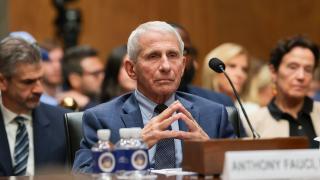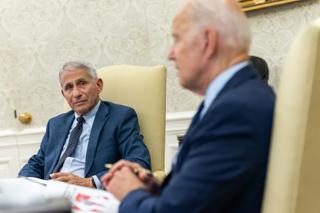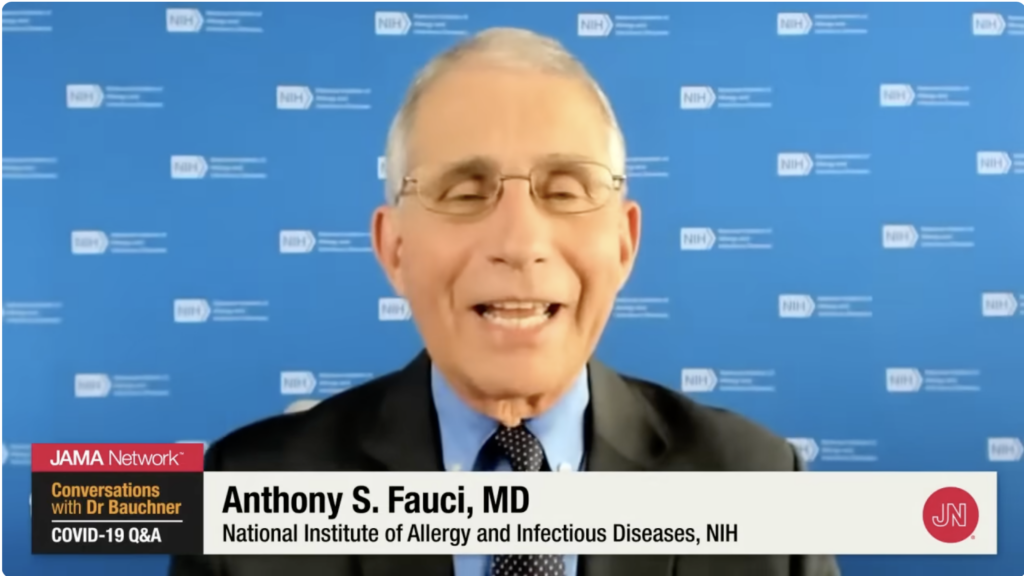
Senator Rand Paul, R-Ky., has issued a subpoena to Dr. Anthony Fauci, compelling him to testify before the Senate Committee on Homeland Security and Governmental Affairs. This move comes as part of Paul’s ongoing efforts to hold public health officials accountable for their actions during the COVID-19 pandemic.
The subpoena reflects a growing frustration among some lawmakers regarding the handling of the pandemic and the perceived lack of transparency from health officials. Critics argue that Fauci and others misled the public about the origins of the virus and the effectiveness of certain health measures.
The controversy intensified following the release of a video montage titled "Mass Psychosis: Trust Science & Stop Thinking for Yourself," produced by Grabien. The video features clips of various public figures, including Fauci, urging the public to follow health guidelines and trust scientific expertise. In one clip, Fauci states, "Now is the time to do what you’re told," which has drawn significant criticism from those who believe such statements undermined personal freedoms.
Calls for Accountability
Paul has been vocal about his concerns, previously referring Fauci to the Department of Justice for prosecution on allegations of lying under oath. He claims that Fauci’s testimony contradicts evidence suggesting that the National Institutes of Health funded gain-of-function research at the Wuhan laboratory, where the virus is suspected to have originated. "For years, when people pointed out that these labs existed in places like Ukraine, they were told it was a conspiracy theory," Paul stated.
The senator's insistence on accountability has gained traction, particularly after the release of newly declassified documents by former Director of National Intelligence Tulsi Gabbard. These documents allege that Fauci collaborated with politicized leaders within the Intelligence Community to suppress information regarding the virus's origins and the funding of research that may have contributed to its spread.
Fauci has not publicly responded to the subpoena, and his previous agreement to testify has been called into question. Paul noted on social media, "Last week, Anthony Fauci notified us he will NOT voluntarily testify before the Senate Homeland Security and Governmental Affairs Committee, even though he had previously agreed to do so."
Public Reaction and Expert Opinions
The public response to the ongoing debate has been polarized. Supporters of Fauci argue that he played a crucial role in managing the pandemic and that his guidance was based on the best available science at the time. They contend that accountability should not come at the expense of undermining public health efforts.
Health care professionals who challenged Fauci’s guidance faced significant backlash, including disciplinary actions and accusations of spreading misinformation. Critics of the health response during the pandemic have pointed to these actions as a suppression of dissenting views.
Fact-checking organizations have also weighed in on the debate. For instance, FactCheck.org published a piece disputing Paul’s claims regarding Fauci’s testimony, stating, "There’s no evidence that Fauci lied to Congress, as Paul asserted." However, as more information emerges, including reports from U.S. intelligence agencies suggesting a lab leak may be plausible, the narrative surrounding the pandemic's origins continues to evolve.
Implications for Future Policy
The ongoing scrutiny of Fauci and other health officials raises questions about the future of public health policy and the balance between individual freedoms and collective safety. Acting Attorney General Todd Blanche emphasized the importance of trust in government officials during a crisis, stating, "These allegations represent a profound abuse of trust at a time when the American people needed it most."
As the investigation unfolds, it remains to be seen how the findings will impact public perception of health authorities and their recommendations. The call for accountability reflects a broader sentiment among some lawmakers and citizens who seek to ensure that similar situations do not occur in the future.
In summary, the subpoena issued to Fauci by Senator Paul highlights ongoing tensions regarding the COVID-19 response and the accountability of public health officials. As the situation develops, it will likely continue to spark debate over the balance between public health and individual rights.