Israel’s Political Turmoil and Security Challenges: A Deep Dive into Ongoing Struggles
Explore Israel’s complex political and security landscape marked by judicial reforms, unprecedented attacks, and shifting alliances amid ongoing Middle East volatility.
Additional reporting by Theo Ramirez, Oliver Brown
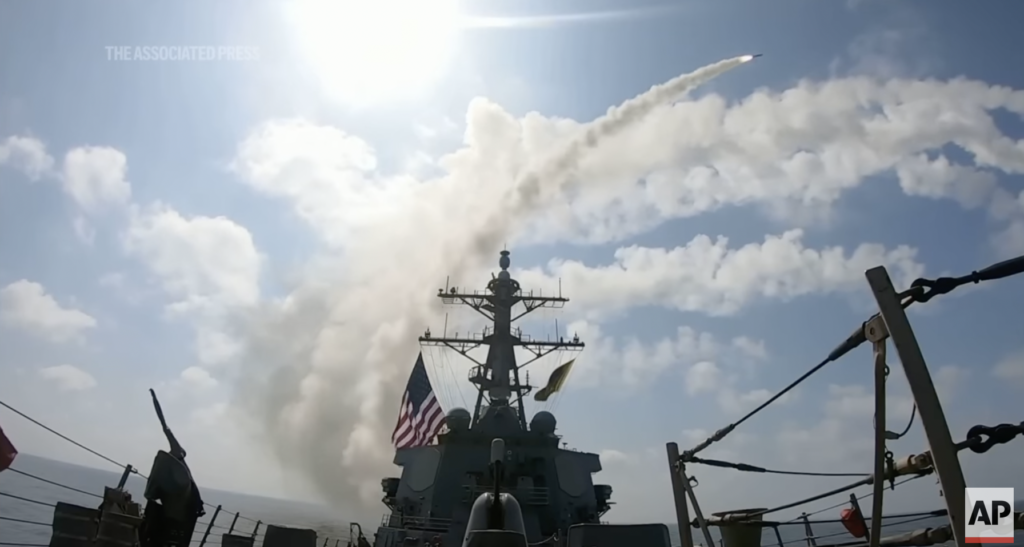
Israel stands at a crossroads of political upheaval and security challenges, the likes of which have reshaped its national trajectory in profound ways. Over recent years, the Jewish state has grappled with significant internal divisions borne from controversial judicial reforms, while simultaneously facing grave external threats that have tested its military and diplomatic resolve. Understanding these intertwined dynamics is crucial for grasping Israel’s present and future path amid Middle East instability.
From widespread protests to emergency governance, Israel’s response to internal dissent and external aggression reveals the tensions that define modern Israeli politics. This explainer will dissect the core components of Israel’s challenges—focusing on its judicial overhaul controversy, the October 7 Hamas attack and ensuing conflict, and the broader regional ramifications—providing readers with a comprehensive, authoritative perspective grounded in fact and conservative analysis.
The Controversy Over Judicial Reform and Its National Impact
"Israel’s struggle to balance judicial reform with security reveals the vital need for decisive governance amid existential threats."
In early 2023, Israel witnessed one of its most contentious political battles over proposed judicial reforms introduced by Justice Minister Yariv Levin. The overhaul aimed to curtail the powers of the Israeli Supreme Court by limiting its ability to strike down government decisions. Supporters argued this change was necessary to restore democratic balance and return authority to elected officials, asserting that the judiciary had overstepped its intended scope. Critics, however, perceived the reforms as a threat to Israel’s democratic safeguards, igniting massive nationwide protests and public unrest.
The judicial reform debate underscores a fundamental conservative principle: the primacy of self-governance through elected representation rather than unchecked judicial activism. The movement to recalibrate judicial powers sought to democratize decision-making and prevent what was seen as judicial overreach into policymaking—an issue familiar to American conservatives advocating for limits on federal courts. Despite the disruption caused by protests, this push reflects a desire within parts of Israeli society to strengthen sovereignty against an activist judiciary perceived as partisan.
Opponents of the reforms warned of dangers posed by weakening legal checks, fearing erosion of minority rights and civil liberties. Yet this discourse partly neglects Israel's unique security situation and volatile regional environment, where decisive governance is essential. The protests, while impactful, also showcased divisions within Israeli society that external adversaries might exploit. This internal friction posed strategic risks at a time when Israel faced unprecedented threats from terrorist groups.
The October 7 Hamas Attack: A Security Crisis Unprecedented in Scope
The violence erupted on October 7, 2023, when Hamas militants launched a coordinated assault from the Gaza Strip, resulting in approximately 1,200 Israeli civilian deaths and around 250 kidnappings. This brutal attack shocked the nation and world alike, marking one of the deadliest moments in recent Israeli history. The scale and coordination demonstrated Hamas’s growing capabilities and underscored the persistent threat posed by Islamist terror groups operating with near impunity.
In response, Israel quickly formed an emergency government and established a special war cabinet to address the escalating crisis. These steps reflected a pragmatic shift toward unity and rapid decision-making in wartime. Historically, Israel’s political factions have been deeply divided, but the immediate security threat necessitated unprecedented collaboration. This development highlights how existential challenges often compel states to temporarily set aside internal differences in favor of national defense.
The October 7 attack also exposed intelligence failures and raised questions about preparedness. Conservative analysts point to the dangers of political fragmentation and bureaucratic inertia, which can impede swift responses to security threats. Moreover, the event reaffirmed the vital importance of robust defense measures and international support, especially from the United States, to maintain Israel’s security edge in a hostile neighborhood.
While many observers lamented the human suffering, it became clear that Israel’s resilience and military response were formidable. The country launched decisive countermeasures against Hamas-controlled Gaza, targeting terrorist infrastructure. Yet the conflict remains dynamic and deeply complex, with broader agendas at play involving Iran-backed proxies and regional power struggles.
Regional Geopolitics: Israel’s Strategic Alliances and Threat Environment
Israel’s broader regional context includes persistent rivalry with Iran and engagement with neighboring states. Tehran’s nuclear ambitions and proxy militias like Hezbollah amplify threats to Israel’s security, creating a multi-front challenge. U.S.-Israel cooperation remains critical, as evidenced by recent air strikes jointly conducted to counter Iran’s influence. Our coverage detailed how internal U.S. debates, including President Trump’s policy pauses and proposals, affect this strategic environment.
Iran’s role as a sponsor of terrorism directly confronting Israel has made it the focal point of many Israeli security policies. Israeli leadership has called for stronger American pressure on Iran’s nuclear program, reflecting concerns over potential existential threats. Conservatives emphasize the need for firm stances and preventative measures rather than diplomatic delays, which critics argue embolden Tehran.
Meanwhile, Israel is navigating complex diplomatic relations with Arab neighbors following historic normalization accords. These alliances provide Israel with regional leverage but remain fragile amid shifting US policy and Middle East realities. Colombia’s pledge to strengthen U.S. ties, for example, exemplifies the global re-alignment efforts that indirectly affect Israel’s diplomatic space. In this uncertain climate, Israeli policy balances deterrence with cautious diplomacy.
Israel’s security policy is also influenced by internal political factions, each favoring different approaches to peace and conflict. Conservative voices emphasize the primacy of security above concessions, warning against appeasement of jihadist ideology, which remains a deeply entrenched obstacle to lasting peace. Our op-ed coverage outlines why such ideological foes can undermine fragile agreements, making vigilance and strength indispensable.
Domestic Political Dynamics Amid External Pressures
The confluence of judicial reform disputes and heightened security threats has dramatically altered Israel’s domestic politics. The emergency government and special war cabinet symbolized a necessary, though temporary, suspension of normal political rivalries. Yet underlying tensions remain, with long-term consequences for Israeli democracy and governance.
The polarization over judicial reforms revealed a split between more nationalist, conservative constituencies and liberal or centrist factions. Many conservatives viewed the reforms as a remedy to elite judicial overreach and reaffirmation of the people's mandate, while opponents feared authoritarian tendencies. This ideological battle interacts with external security challenges by affecting governmental coherence and public morale.
The October 7 assault underscored that political division can become a strategic vulnerability exploited by Israel’s enemies. Critics of prevailing policies have urged reconciliation and unity not only as an ideal but as a practical necessity for national survival. The eventual balance Israel strikes between judicial authority, democratic principles, and robust security governance will define its resilience.
Israel’s political struggle also reverberates abroad, influencing foreign perceptions and relationships. U.S. lawmakers continue to debate support measures, with some American politicians facing criticism for their positions on Israel, as highlighted in discussions around Senator Ossoff. This congressional scrutiny reflects larger ideological battles in U.S. politics that impact American backing for Israel’s security and policy directions.
Economic Resilience and Challenges Amid Conflict
Despite the political turmoil and security crises, Israel’s economy demonstrated relative stability initially through 2023. The country’s strong tech sector and innovation-driven economy provided a buffer against shocks. However, the onset of sustained conflict following October 7 inevitably exerted negative economic pressures, including disruptions to commerce, increased military spending, and reduced investor confidence.
Economic resilience is vital for Israel’s capacity to sustain long-term conflict and political reform. Conservative economic approaches emphasize market-driven growth and the fostering of innovation as engines of national strength. Continued investment in technology and infrastructure are critical, even as security concerns demand fiscal attention.
The Israeli government faces delicate decisions balancing fiscal discipline with the necessity of funding robust defense measures. International economic partnerships, particularly with the United States and allied countries, remain key pillars. Given the geopolitical environment, ensuring economic vitality supports both civilian and military readiness.
Economic stability impacts public morale as well. Citizens’ confidence in their government’s ability to protect prosperity strongly influences national unity during crises. Israel’s eventual recovery from this period hinges not only on military success but also on restoring economic normalcy and political cohesion.
A Conservative Perspective on Israel’s Challenges and Future
Israel’s struggles with judicial reform, terrorism, and diplomacy reflect broader themes relevant to conservatives domestically: the tension between robust governance and individual liberties, the imperative of strong national defense, and the complexities of managing alliances in a turbulent world. Conservatives recognize the importance of respecting Israel’s sovereignty and self-determination while advocating for policies that ensure lasting security against irreconcilable extremist threats.
Critics rightfully highlight risks of authoritarian overreach in judicial reforms, but a balanced view appreciates the need to check unelected power brokers when they impede elected governance. Israel’s experiences serve as a cautionary tale on maintaining democratic systems resilient enough to adapt amid existential threats.
Supporting Israel’s right to defend itself vigorously aligns with values of liberty and protection of citizens against terror. Conversely, naive calls for premature concessions ignore the ideological realities posed by jihadist groups, as explored in our opinion pieces.
Finally, Israeli turmoil underscores how American domestic politics interconnect with foreign policy. Our coverage tracks how politicians’ standings on Israel influence alliances. A conservative approach favors strong U.S.-Israel relations grounded in shared democratic values, mutual defense, and tough vigilance against common adversaries.
By understanding Israel’s complex challenges through this prism, readers gain perspective on the stakes involved and the cautious optimism for a secure, prosperous democratic future.
—
Senator Ossoff’s Israel votes spotlight how U.S. political debates intersect with Middle East policy; meanwhile, accusations of Democrats embracing a radical left agenda reflect ideological tensions affecting Israel support.
In the military domain, Trump’s pause on Iran strike illustrated the delicate diplomacy surrounding security in the region, while our analysis of U.S.-Israeli air strikes reveals the complexity of direct intervention strategies.
Our opinion coverage details why jihadist ideology remains the foremost obstacle to peace, cautioning against naïve negotiations.
Furthermore, insights into the Trump-Netanyahu dispute reveal tensions in command decisions impacting Israel’s military posture.
Together, these layers form a comprehensive portrait of Israel’s ongoing struggles and the conservative framework that guides measured, principled support.
Frequently asked questions
Why did Israel propose judicial reforms in 2023?
The reforms aimed to limit judicial authority over government actions to restore power to elected officials, addressing perceived judicial overreach.
What happened on October 7, 2023, in Israel?
Hamas launched a deadly surprise attack from Gaza, killing around 1,200 civilians and abducting about 250 Israelis, sparking a major security crisis.
How did Israel respond to the Hamas attacks?
Israel established an emergency government and a special war cabinet to coordinate military and political responses against Hamas.
What role does Iran play in the Israel conflict?
Iran supports proxy groups like Hamas and Hezbollah, pursues nuclear capabilities, and represents a significant regional security threat to Israel.
How have U.S. policies influenced Israel’s security?
The U.S. provides military aid, intelligence support, and occasionally direct military cooperation, while domestic U.S. politics shape diplomatic approaches to Israel’s situation.
Why are judicial reforms so contentious in Israel?
They raise concerns over maintaining democratic checks and balances versus empowering elected leaders to enact their mandates without excessive court interference.
Timeline of our coverage
- 2026-08-14 — Ossoff Faces Criticism Over Israel Votes Ahead of November Election
- 2026-08-03 — Sen. Barrasso Accuses Democrats of Embracing Radical Left Agenda in Senate Speech
- 2026-08-02 — Trump Pauses Iran Strike, Seeks Quick Deal on Nuclear Program and Strait of Hormuz
- 2026-07-19 — Colombia’s Incoming Foreign Minister Pledges Stronger U.S. Alliance, Pushback on China
- 2026-07-12 — Lawmakers, World Leaders React to Death of Sen. Lindsey Graham
- 2026-06-18 — Vance Urges Israel to Rethink Its Approach Amid U.S.-Iran Negotiations
- 2026-03-20 — Trump and Netanyahu Dispute Over Israel's Attack on Iran Raises Command Concerns
- 2026-03-03 — Trump Administration Faces Scrutiny Over Iran-Israel War Justifications
- 2026-03-03 — U.S. Officials Cite Israel's Influence in Decision to Engage Iran
- 2026-03-03 — U.S. and Israel Launch Air Strikes Against Iran Amid Geopolitical Tensions
- 2026-01-29 — ‘October 7’ Performance at Kennedy Center Marks Significant Moment of Remembrance
- 2025-10-14 — Trump Celebrated in Israel After Hostage Release and Peace Deal
- 2025-10-13 — Brennan Highlights Trump’s Role in Israel Peace Talks Amid Criticism of Biden
- 2025-10-13 — The Biggest Obstacle To Hamas Peace Deal Is Jihadi Ideology
- 2025-10-10 — Trump Snub Proves The Nobel Peace Prize Is A Joke
- 2025-10-09 — UMD Student Government Excludes Jews' Vote On Israel Boycott
- 2025-09-22 — Brennan, Macron Talk Palestinian State: Just The Questions
The Bottom Line
- Israel’s internal divisions over judicial reform threaten national unity at a time of serious external threats.
- The October 7 Hamas attack marked a turning point in Israeli security, necessitating emergency government measures.
- Strong U.S.-Israel cooperation remains critical to counter aggressive regional actors like Iran.
- Understanding Israel’s challenges clarifies broader geopolitical stakes impacting American foreign policy.
Sources
- Congress.gov
- Cambridge.org: 5584E5F54D49E96E8E9366665E2A0F8C
- Cfr.org: Israel 75
- Jpost.com: Article 779957
- Axios.com: Us Stresses Need For Independent Institutions As Israel Seeks To Weaken Judiciary (Jan 07, 2023)
- Apnews.com: 6985d1e0fa0202de8d63022146caf13c
- Time.com: Israel Protests Netanyahu Far Right