Just one day after the two-year anniversary of the October 7 attack by Hamas, it was announced that Israel and Hamas accepted the terms of President Donald Trump’s plan to end the war. This achievement was one that President Joe Biden and other world leaders had not accomplished in the previous two years. Trump's negotiation, which concluded a devastating conflict in just ten months, raised questions about the Nobel Peace Prize's criteria for awarding such honors.
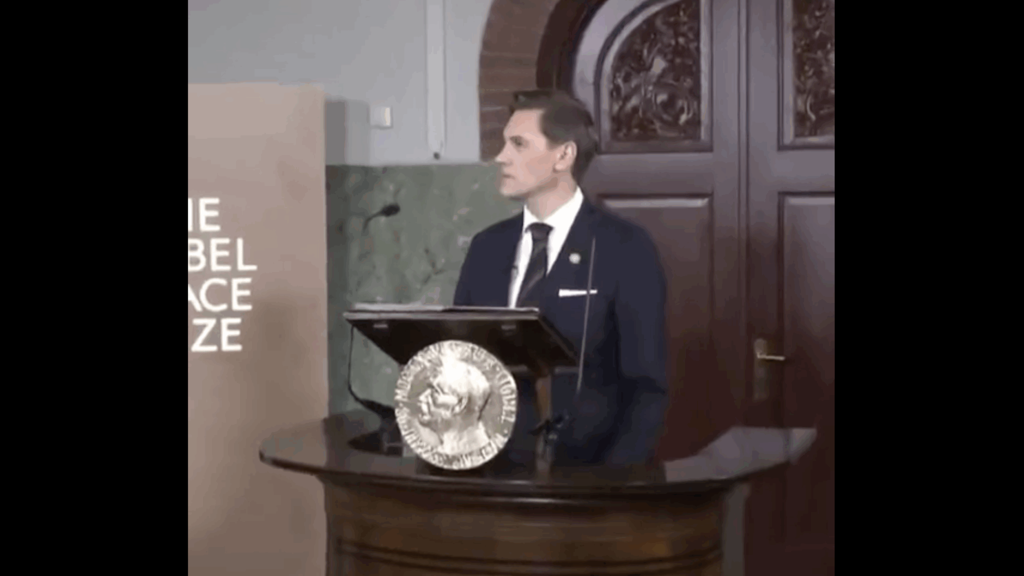
On Friday, the Nobel Committee announced that Venezuelan opposition leader María Corina Machado won the award. Machado dedicated her award to Trump, citing his decisive support for her cause.
Critics have pointed out that the committee's decision may reflect a broader bias against Trump and his approach to international diplomacy. Frydnes emphasized that the committee bases its decisions on the work and will of Alfred Nobel, whose historical views have come under scrutiny. In a letter to his mistress, Nobel expressed negative sentiments towards Jewish people, which some argue could influence the committee's contemporary decisions.
Trump's negotiation efforts were framed as being motivated by a desire to achieve peace rather than seeking accolades. The lack of recognition for a president who ended a prolonged global conflict has led some to question the relevance of the Nobel Peace Prize in today's geopolitical landscape.
The Nobel Peace Prize has faced criticism for being awarded to individuals and organizations that some view as less deserving compared to those who achieve significant diplomatic breakthroughs. Observers argue that the committee's decisions often reflect a preference for high-minded ideals over practical solutions.
The ongoing debate about the Nobel Peace Prize's significance raises questions about the effectiveness of globalist approaches to diplomacy. Critics contend that such approaches can prolong conflicts, as they often prioritize international norms over national interests. Trump's actions, which were driven by a clear national interest in resolving the conflict, stand in contrast to this perspective.
In conclusion, the decision not to award Trump the Nobel Peace Prize has sparked discussions about the criteria used by the committee and the implications of its choices. Many argue that if ending a war that had become widely tolerated does not merit recognition, then the award's value is called into question.