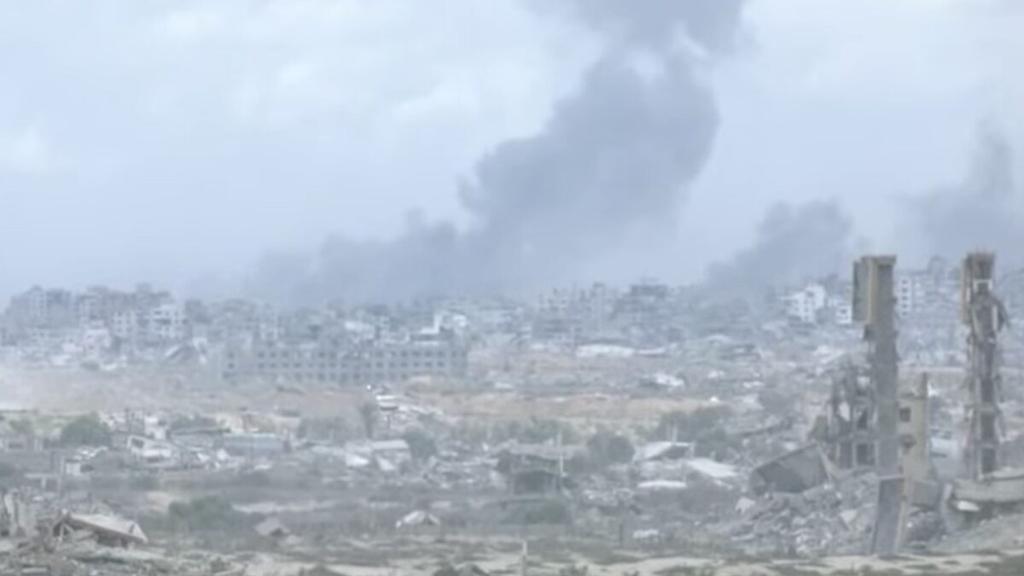
President Donald Trump has emphasized an America First approach in Middle East policy, arguing that it has helped neutralize enemies and foster peaceful relations among allies. He contends that the Biden administration's policies have undermined these achievements, particularly by rejuvenating Iran and enabling violence against Israel.
However, critics argue that the plan does not adequately address the ideological roots of Hamas' governance in Gaza. Trump has pointed out that the origins of the current conflict stem from the Palestinian election of Hamas, which is known for its extremist views and violent tactics.
Polls indicate that many Palestinians continue to support Hamas, raising concerns about the viability of any peace plan that does not confront this underlying ideology. The plan suggests that improvements in living conditions and political leadership could lead to a peaceful resolution, but it remains unclear how this would be achieved without addressing Hamas' foundational beliefs.
The plan also includes provisions for the release of hostages in exchange for prisoners, a move that has raised alarms about the potential for released individuals to return to terrorism. Historical precedents, such as the 2011 Gilad Shalit exchange, indicate that many freed detainees resumed violent activities.
There are fears that the proposed exchanges could empower Hamas, allowing it to maintain a foothold in Gaza while undermining Israel's security. The plan's emphasis on demilitarization and the establishment of a non-threatening Gaza is seen as overly optimistic by some analysts.
The involvement of regional partners to ensure compliance with the plan raises questions about their willingness and ability to suppress jihadist elements within Gaza. The complexities of the situation suggest that achieving lasting peace will require more than just a change in leadership or material conditions.
In summary, while Trump's plan aims to create a path toward stability, the persistent ideological support for Hamas among the Palestinian population poses significant challenges that could hinder the success of any peace initiative.