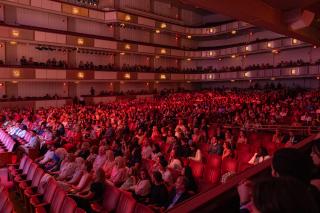
The Kennedy Center hosted a performance of ‘October 7: In Their Own Words’ on January 28, coinciding with the return of the last Israeli hostages held by Hamas. This event marked a significant moment of collective remembrance for many in attendance, as it was the first time since 2014 that no captives remained in Hamas custody.
The performance underscored the tension between artistic expression and political sentiment, particularly in a climate where cultural narratives surrounding Israel and Hamas are often contentious. Audience members expressed a mix of relief and grief, highlighting the emotional weight of the evening.
Prior to the performance, attendees mingled in the lobby, sharing personal stories and connections to Israel. One Israeli woman remarked that the timing of the hostage news provided her with a sense of closure she had not anticipated just days earlier. The atmosphere felt less like a typical theater gathering and more like a solemn celebration of shared experiences and memories.
The play, written by Irish journalists Phelim McAleer and Ann McElhinney, is based entirely on survivor testimonies collected shortly after the October 7 Hamas attacks. The couple, known for tackling controversial subjects, aimed to present the raw experiences of those affected without political bias. McAleer stated, "We just wanted to show what October 7 did to these people," emphasizing the importance of allowing the testimony to speak for itself.
A Unique Presentation
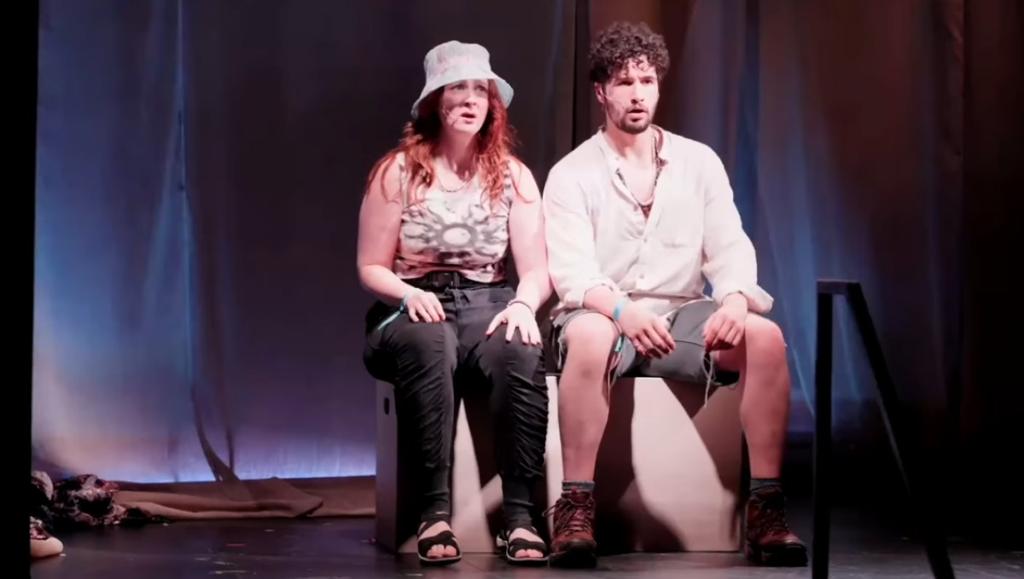
Unlike traditional theatrical productions, ‘October 7’ was presented as a dramatized reading, devoid of elaborate staging or sound effects. This format aimed to create a space for genuine reflection rather than entertainment. Audience members noted the absence of political messaging, with McAleer asserting that the project sought to prevent the events of October 7 from being forgotten or rewritten.
The performance took place amid a backdrop of protests and withdrawals by artists who oppose the Kennedy Center's new leadership. High-profile performers have canceled appearances, citing ideological differences with the center's direction. Despite this, ‘October 7’ found its way to one of the nation’s most prestigious stages, reflecting both the challenges and the resilience of artistic expression.
Faith and Identity
Throughout the performance, themes of faith emerged prominently. Characters shared moments of unexpected prayer and reflection, with one survivor stating, "I never pray, but..." This recurring sentiment illustrated how the traumatic events reshaped personal beliefs and identities. Another character, a Muslim doctor, distanced herself from Hamas, asserting, "Evil does not come from God," and reframing the conflict as a struggle between kindness and violence.
The play concluded with a message of hope, emphasizing resilience and community. One audience member described the playwrights as "angels and divine messengers from God," reflecting the profound impact the performance had on those present. The final lines echoed a commitment to memory and faith, stating, "We will dance again."
Cultural Context
The heightened security surrounding the event and the challenges faced in securing a venue underscore broader cultural tensions in America regarding artistic expression related to Israel. The production's existence has sparked debate, not necessarily over its content but rather its implications in a polarized cultural landscape. Critics argue that such works are often met with resistance due to their perceived political implications.
Despite the controversies, the performance served as a reminder of the importance of truth and memory in public discourse. Audience members expressed gratitude for the opportunity to engage with the material, with applause resonating not just for the performers but for the collective act of remembrance.
The return of the hostages transformed the evening from one of mourning to a moment of renewal, allowing attendees to reflect on the significance of the events while acknowledging the ongoing complexities of the Israeli-Palestinian conflict. As the audience departed, many felt a renewed sense of connection to the narratives shared, reinforcing the idea that memory and testimony hold a vital place in cultural conversations.