New Jersey Voter Integrity Crisis: Noncitizen Registrations and System Failures Explained
Explore the systemic failures behind thousands of noncitizen voter registrations in New Jersey and the ongoing controversy over election integrity.
Additional reporting by Liam Walker, Oliver Brown
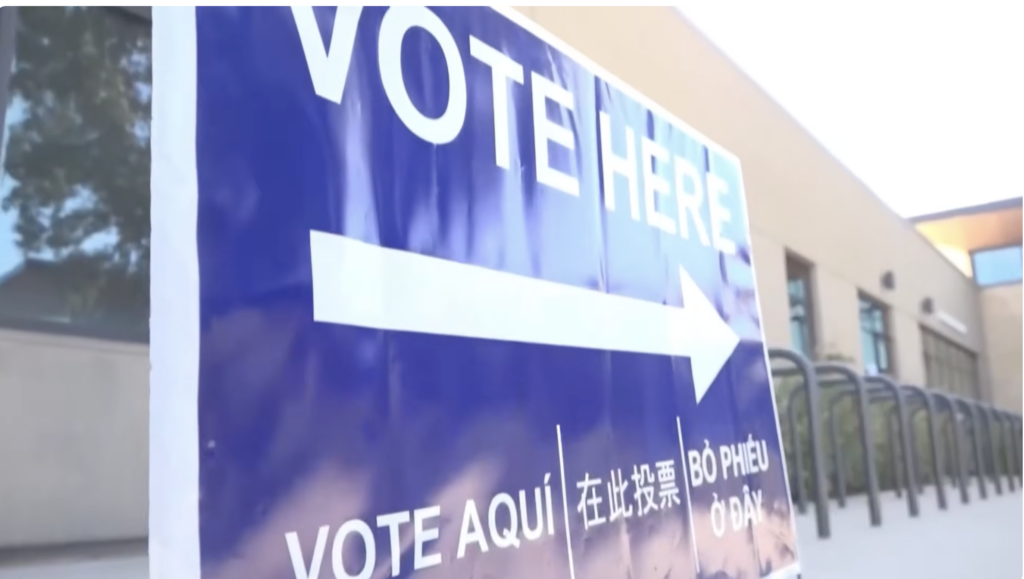
The Voter Rolls Shakeup in New Jersey
Recent revelations in New Jersey have exposed a troubling error within the state's voter registration process: approximately 6,600 noncitizens were improperly registered to vote due to a software malfunction in the Motor Vehicle Commission's (MVC) system. This issue, spanning from mid-2023 to mid-2024, has profound implications for election integrity, policy oversight, and public trust. While the number of noncitizens who actually cast ballots remains under 400, the mere existence of these registrations has amplified longstanding concerns about the safeguards against illegal voting in American elections.
Governor Mikie Sherrill, who assumed office in early 2026, brought the problem to light in July, admitting the state's culpability and ordering an immediate investigation. The governor's response, including removal of affected registrants from rolls and replacing the vendor responsible for the glitch, reflects an urgent attempt to restore confidence and shield future elections from similar vulnerabilities. Yet critics argue that these steps, while necessary, reveal a deeper issue: systemic complacency and lack of rigorous verification protocols that invite exploitation and undermine electoral legitimacy.
"New Jersey’s voter roll failures expose the urgent need for rigorous election safeguards to protect lawful elections from illegal interference."
The incident highlights a failure not merely at the operational level but at the policy and oversight layers that govern election management. New Jersey’s voter registration system, which relies heavily on automated data transfers from the MVC, was presumed a streamlined, efficient safeguard against ineligible registrations. Instead, it became an avenue for error, casting doubt on the validity of thousands of registrations and sparking nationwide scrutiny. Such a breakdown challenges fundamental assumptions that current electoral systems, backed by government agencies, can reliably enforce voter eligibility standards without thorough human and technological checks.
Software Error and Its Consequences
At the core of New Jersey’s voter registration crisis lies a technical failure within the Motor Vehicle Commission’s software system. This system, used during applications for driver’s licenses or state IDs, is supposed to seamlessly filter and prevent noncitizens from being registered to vote. However, a coding or logic error caused the system to inadvertently process noncitizen information for voter registration between June 2023 and June 2024.
Such a failure is alarming not just because it allowed thousands of ineligible individuals onto voter rolls, but because it highlights the vulnerability of reliance on automated processes without adequate human oversight. The affected timeframe indicates the problem existed for an extended period before detection, raising questions about the robustness of auditing and quality checks in place.
Governor Sherrill publicly acknowledged the error and blamed it on the software vendor, ordering that the company be replaced. The MVC’s quick remedial action to purge these noncitizens from voter lists is crucial, but the damage to public confidence remains significant. This incident serves as a cautionary tale for election administrators nationwide about the importance of verifying voter eligibility, especially amid growing anxiety over election security.
The state's admission of the system’s flaws fueled skepticism from both parties about the effectiveness of current safeguards and spurred ongoing calls for stricter identification and audit standards. Such calls resonate widely with conservative advocates who have long warned of vulnerabilities within voter registration systems that can be exploited by lax enforcement or technical mishaps.
Moreover, this issue intertwines with the larger conversation on the role of technology in election management. Many states have embraced automation to boost efficiency, only to discover that insufficient testing and oversight can backfire. A deep technical review recently conducted on the New Jersey system suggests that critical fail-safes—such as crosschecking citizenship status through multiple independent databases—were either absent or insufficiently enforced. This failure points to a need for layered security protocols that combine technology with accountable human scrutiny.
Implications for Election Integrity and Trust
The improper registration and voting by noncitizens strike at the very heart of American democracy—free, fair, and legal elections. While some might downplay the significance given fewer than 400 of the improperly registered cast votes, from a conservative perspective, this is a troubling sign of eroding election integrity deserving vigorous scrutiny and reform.
Illegal voting—regardless of scale—is a serious breach of law that dilutes the legitimate voice of citizens and risks corrupting electoral outcomes. New Jersey’s incident underscores a broader national concern: how many other states might unknowingly harbor similar vulnerabilities due to lax verification regimes or overreliance on flawed technology?
Federal authorities have responded by launching investigations in multiple states, including New Jersey, as part of a wider crackdown on election fraud ahead of federal voting events. For example, the Department of Homeland Security has recently launched election fraud investigations targeting several states with suspicious voting activities, amplifying conservative calls for renewed emphasis on accountability.
Moreover, the New Jersey experience is a stark reminder that even relatively small numbers of illegal votes can sway critical state and local elections, particularly in jurisdictions with tight margins. The damage extends beyond raw vote counts; the erosion of public trust can depress voter turnout and heighten polarization, as citizens lose faith in the legitimacy of electoral outcomes. This scenario is a prime concern among conservatives who emphasize that election security is foundational to preserving representative government.
New Jersey's experience came to national attention after federal prosecutors charged two noncitizens with illegal voting following the audit of the voter rolls, a development that intensified pressure on state officials and reinforced the urgency for reform. These indictments crystallize earlier warnings: registration errors don’t just remain administrative mistakes; they translate into real, punishable violations of election law that demand accountability.
Political and Legal Repercussions
Governor Sherrill’s public handling of the crisis has faced both praise and criticism. On one hand, the transparency in admitting responsibility and initiating investigations reflects a commitment to corrective action. On the other, some conservatives accuse her administration of insufficient urgency or even attempts to gloss over the full magnitude of the problem.
Further controversy was stirred when the Governor blocked federal efforts to access noncitizen voter records amid pressure, frustrating legal and oversight efforts to fully understand and mitigate the impact. This tactic has deepened partisan divides, with critics arguing that such stonewalling obstructs accountability and invites further election irregularities. The move to restrict information flows is seen by many as detrimental to the transparent governance demanded for election integrity.
The incident has also prompted the state legislature and election oversight bodies to reconsider existing procedures and regulatory frameworks. Advocates for election integrity emphasize the necessity of robust voter ID requirements, regular purges of voter rolls, and comprehensive audits to safeguard elections. Meanwhile, opponents raise concerns about disenfranchisement and the practicality of sweeping bureaucratic changes. This tension mirrors a national political dynamic where election safeguards are perceived by some as tools of voter suppression, complicating bipartisan reforms.
The broader legal landscape around election security thus remains a tug-of-war, with New Jersey at the center of debates over election law enforcement and voter rights. This dynamic environment underscores a persistent national struggle over who gets to vote and how the process should be regulated to best ensure fairness and accuracy. Conservative voices stress that protecting lawful elections means fortifying boundaries against illegal participation, while opponents advocate for expanded access sometimes at the expense of rigorous verification.
The Broader Context of Election Security Challenges
New Jersey’s voter roll debacle is not an isolated issue but part of a growing pattern of election integrity challenges faced by states across the country. From software glitches and administrative missteps to intentional fraud and lax border security, these vulnerabilities fuel distrust in the electoral system.
Conservative commentators have long warned that without strong voter verification, the risk of illegal participation grows, possibly tipping tight elections and undermining public confidence in democratic governance. The deployment of federal monitors to New Jersey ahead of elections signals the gravity with which these concerns are treated. These monitors help ensure compliance but also underscore the lack of confidence in state election systems' ability to police themselves effectively.
The state's political landscape, often characterized by machine politics and intense party battles, compounds the difficulties of maintaining free and fair elections. Allegations of election manipulation and irregularities—such as those linked to special elections and ballot handling—have sparked protests and legal battles, further straining the electoral process. Such patterns exacerbate skepticism about electoral fairness and present a real challenge for trustworthy election administration.
That New Jersey faces these challenges amid national trends of increased scrutiny on voter eligibility and election procedures emphasizes the need for a comprehensive, conservative-led push for reforms that protect the fundamental right to vote while preventing fraud. Strengthening local election infrastructure, increasing transparency, and ensuring that verified citizens alone are permitted to vote are essential steps.
Charting a Path Forward: Reform and Accountability
Addressing the New Jersey voter registration crisis requires a multifaceted approach focused on accountability, transparency, and rigorous safeguards. Immediate priorities include a full audit of the MVC’s software and registration systems, independent oversight of voter rolls, and implementation of mandatory verifications of citizenship status during voter registration processes.
Replacing the current software vendor, as Governor Sherrill ordered, is a positive step, but true reform demands an institutional culture committed to election integrity over partisan convenience. States must also consider stricter penalties for illegal voting and ensure enforcement mechanisms are adequately resourced to deter potential misconduct effectively.
Political leaders and election officials ought to engage with bipartisan commissions and conservative watchdog groups to rebuild public trust. Public education campaigns can clarify rules and empower citizens to report irregularities effectively. Transparency in managing and correcting voter rolls fosters confidence that errors are mistakes rather than systemic vulnerabilities.
Finally, Congress and federal agencies must provide clear guidelines and support to all states, including New Jersey, for implementing good government election practices, balancing the twin goals of accessibility and security. Such coordinated efforts are vital to preventing future scandals and reinforcing the legitimacy of American elections. Restoring trust requires continual vigilance and institutional commitment to lawful elections.
Conservatives nationwide must remain vigilant and proactive, learning important lessons from New Jersey’s failures to advocate for reforms that safeguard the electoral system from abuses that threaten the core principles of representative democracy.
Frequently asked questions
How did noncitizens get registered to vote in New Jersey?
A software error in the MVC system caused noncitizens who applied for licenses or IDs to be mistakenly registered as voters.
Did all the improperly registered noncitizens vote?
No, fewer than 400 of the approximately 6,600 involved actually cast ballots.
What actions did New Jersey officials take upon discovering the problem?
The Governor disclosed the issue publicly, ordered an investigation, removed the noncitizens from voter rolls, and replaced the software vendor.
Are there ongoing investigations related to this incident?
Yes, federal authorities have launched investigations and charged some individuals with illegal voting tied to the incident.
Why is this software error significant for election integrity?
It reveals vulnerabilities in the voter registration process that could allow illegal voting and erode public trust.
What reforms are being proposed to prevent similar issues?
Reforms include stricter citizenship verification, enhanced audits, better software oversight, and increased transparency in election administration.
How has the political climate in New Jersey influenced this controversy?
Partisan tensions and concerns about machine politics have intensified scrutiny and debate over election processes and reforms.
Timeline of our coverage
- 2026-09-28 — Feds Charge Two Noncitizens With Illegal Voting After New Jersey Voter Roll Audit
- 2026-09-12 — Paramount Seeks $1.88B Bond From State AGs Opposing Warner Merger
- 2026-09-02 — DHS Launches Election Fraud Investigations in Nine States Ahead of Federal Vote
- 2026-08-27 — Meta Agrees to $17 Billion Settlement Over Child Social Media Harm Claims
- 2026-08-03 — New Jersey Admits Thousands of Noncitizens Registered, Hundreds Voted Amid System Flaws
- 2026-07-24 — New Jersey Governor Blocks Release of Noncitizen Voter Records Amid Federal Pressure
- 2026-07-23 — New Jersey Admits 6,600 Noncitizens Improperly Registered to Vote, Blames Software Error
- 2026-07-22 — New Jersey Faces Scrutiny After Noncitizens Found on Voter Rolls
- 2026-07-21 — New Jersey Finds 6,600 Noncitizens on Voter Rolls Amid DOJ Scrutiny
- 2026-06-01 — New Jersey Riots Lead to Arrests of Protesters Outside ICE Facility
- 2026-04-29 — Supreme Court Rules in Favor of Pro-Life Center's Donor Privacy
- 2025-11-26 — New Jersey Governor Schedules Special Election Amid GOP Allegations of Manipulation
- 2025-11-21 — Pro-Life Center Takes Its Fight Against Dem Lawfare To SCOTUS
- 2025-11-05 — Democrats Secure Wins in Virginia and New Jersey Elections
- 2025-11-04 — Bomb Threats And Bad Ballots Mark Election Day In New Jersey
- 2025-11-03 — Federal Monitors Deployed in New Jersey Ahead of Elections Amid Concerns Over Election Integrity
- 2025-10-29 — Sources: NJ Political Boss Putting Free And Fair Elections In Peril
- 2025-10-23 — Here Are The Biggest 2025 Races And Ballot Measures
- 2025-10-20 — NJ Governor Race Tests Effectiveness Of GOP Ground Game
- 2025-10-15 — Mikie Sherrill Faces Scrutiny Over Naval Academy Cheating Scandal Amid Gubernatorial Campaign
The Bottom Line
- The integrity of voter rolls underpins the legitimacy of democratic elections.
- Noncitizen registrations undermine public trust and can distort election outcomes.
- Systemic software errors highlight vulnerabilities in election administration.
- Accountability and transparency are essential to restore voter confidence.

Sources
- MVC System Error 2023 - Questions & Answers
- FEC
- Cbsnews.com: Noncitizens Registered Vote Error New Jersey
- Nbcnewyork.com: 6528421
- Inquirer.com: Noncitizens Voting Registration Glitch Nj 20260721
- Newjerseyglobe.com: New Jersey Admits 6600 Non Citizens Were On New Jersey Voter Rolls After Motor Vehicles Software Error
- Morristownminute.org: New Jersey Mvc Software Error 6600 Noncitizen Voter Registration
- Govtech.com: N J Moves To Replace Software Blamed For Voting Glitch
- Ksl.com: New Jersey Says Software Error Put 6600 Noncitizens On Voter Rolls
- Newjerseymonitor.com: Governor Software Error Non Citizens Register Vote (Jul 21, 2026)