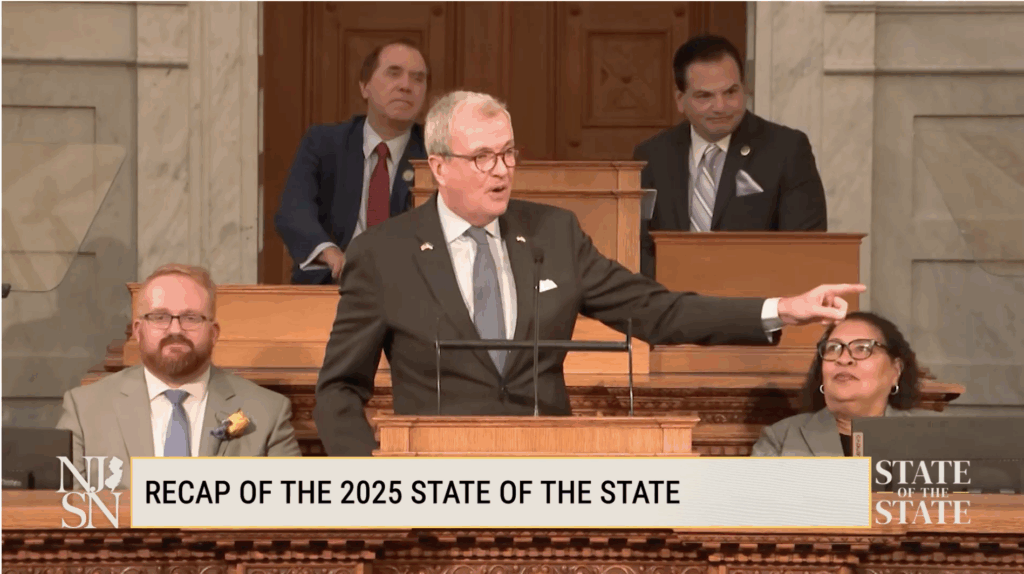
New Jersey Governor Phil Murphy has set a special election for April 16, 2026, to fill the congressional seat vacated by Democrat Mikie Sherrill, who recently won the gubernatorial race. The primary will take place on February 5, with nomination petitions due by December 1, prompting criticism from Republican officials who allege the timeline is designed to benefit establishment candidates.
Republicans claim that the tight filing deadline, which falls shortly after Thanksgiving, is a tactic to limit participation from non-establishment Democrats and Republicans. "Governor Murphy’s rushed special-election timeline is blatant political corruption designed to protect the Democrat establishment and disenfranchise voters," said Maureen O’Toole, Eastern Regional Press Secretary for the National Republican Congressional Committee.
The 11th Congressional District, which includes parts of Essex, Morris, and Passaic counties, has shifted from a Republican stronghold to a Democratic-leaning district in recent years. Sherrill won her last election by nearly 15 percentage points, and more than a dozen Democrats have already declared their candidacy for the upcoming primary.
Among the candidates is Brendan Gill, an Essex County Commissioner endorsed by Murphy, and former Rep. Tom Malinowski. Randolph Mayor Joe Hathaway is the only Republican to announce his candidacy thus far.
Critics of the election timeline argue that it favors candidates with established party connections. Former Morristown Mayor Donald Cresitello has filed a lawsuit against Murphy, claiming the timeline is "arbitrary, unreasonable, and discriminatory as applied." He asserts that the December 1 deadline does not allow sufficient time for candidates to gather the required signatures to qualify for the ballot.
"The December 1 deadline provides no meaningful transition period or opportunity for non-machine candidates to mobilize the volunteers or field operations required to collect 500 signatures," Cresitello stated in his lawsuit.
The controversy surrounding the special election reflects broader tensions within the Democratic Party, which has faced accusations of manipulating electoral processes in the past. GOP officials contend that such actions undermine democratic principles. "When Democrats fear a real primary or a competitive election, they change the rules, change the timing, or clear the field," one GOP official remarked.
As the special election approaches, the political landscape in New Jersey remains contentious, with both parties gearing up for a pivotal contest that could impact the balance of power in Congress.