The Department of Housing and Urban Development (HUD) has taken control of the Newark Housing Authority in New Jersey, citing significant financial mismanagement, ongoing code violations, and a high number of vacant units that were intended for low-income residents. This federal intervention places thousands of public housing units in Newark under direct HUD oversight, raising concerns among local officials and residents about the future of affordable housing in the city.
Explainer New Jersey Voter Integrity Crisis: Noncitizen Registrations and System Failures Explained
The takeover follows years of complaints from tenants about deteriorating living conditions. Many residents have reported persistent maintenance backlogs, unaddressed repairs, and unsafe environments. HUD Secretary Eric Scott Turner, in a formal letter to the authority, stated that the takeover was necessary because the agency had failed to improve its finances or reduce the number of vacant units. The Newark Housing Authority is the largest landowner in Newark, which is New Jersey's most populous city.
Federal Takeover and Local Response
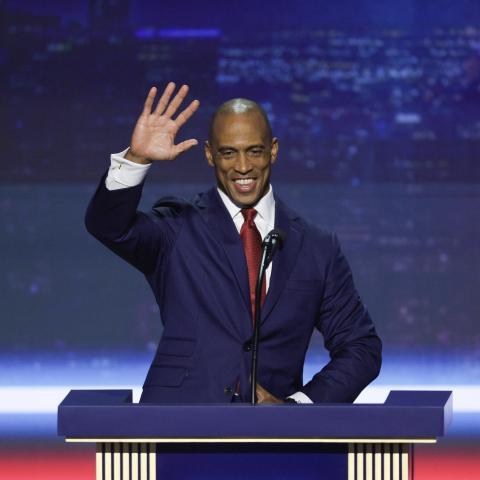
The decision by HUD has prompted a strong response from Newark's leadership. Mayor Ras Baraka, a Democrat, has criticized the Trump administration's move, warning that it could lead to the privatization of the city's public housing stock. Baraka argued that privatization would undermine affordable housing by reducing funding and exposing low-income families to the risks of the private market.
"The Housing Authority is ... one of Newark's largest evictors and shamefully holds the lion's share of our housing violations. This [is a] serious, ongoing concern."
— Ras Baraka, Mayor of Newark
Baraka's concerns reflect a broader debate about the future of public housing in Newark. He has warned that federal control could result in the loss of affordable units and increased hardship for vulnerable residents. The mayor has also highlighted the authority's role as a major landlord in the city, responsible for a significant portion of housing code violations and evictions.
Not all stakeholders share Baraka's view. Some residents and former officials have welcomed the federal intervention, seeing it as an opportunity to address longstanding problems. Alif Muhammad, a former commissioner of the Newark Housing Authority who has filed a lawsuit alleging corruption in the Baraka administration's handling of public housing, said, "I don’t care if it’s Trump. I don’t care if it’s Abraham Lincoln. Come and do the right thing for the Housing Authority. It benefits the tenants."
Allegations and Criticism
The takeover has brought renewed attention to allegations of political interference and mismanagement within the housing authority. Critics have accused Mayor Baraka of exerting undue influence over the agency by appointing its commissioners. Muhammad claimed that Baraka "controlled the executive director and the commissioners" and blamed the mayor for the authority's persistent problems.
Baraka, however, has rejected these accusations. He emphasized that the commissioners do not oversee the authority's daily operations. "The housing authority is run by the executive director. They appoint the lawyers, they hire the financial officers, they hire all the people that are supposed to report to HUD. The commissioners don't report to HUD," Baraka said in response to the criticism.
Tenant leaders at the Pennington Court Houses, one of the developments affected by the takeover, have acknowledged the authority's shortcomings. The Tenant Association President pointed to a shortage of maintenance staff and noted that several apartments remain vacant despite high demand from low-income families. These issues have contributed to frustration among residents, who have long called for improved management and living conditions.
Broader Context and Next Steps
The federal takeover of Newark's public housing comes amid broader challenges facing urban housing authorities across the United States. Local and federal officials have often disagreed over how to ensure accountability and improve conditions for residents. The Trump administration has framed the intervention as a demonstration of its commitment to holding public housing authorities accountable for their performance. Secretary Turner described the takeover as "a decisive action [that] demonstrates our commitment to holding public housing authorities accountable."
Reactions among Newark residents have been mixed. Some are skeptical of the Trump administration's motives, fearing that federal control could lead to privatization or further neglect. Others are hopeful that HUD's involvement will finally address persistent problems with maintenance, vacancies, and financial management.
At this stage, HUD has not announced any immediate plans for privatization of Newark's public housing. City officials, however, remain concerned about the long-term direction of the authority under federal oversight. The next steps for the Newark Housing Authority will be determined by HUD as it works to address the deficiencies cited in its takeover and to restore the agency's financial stability.
The outcome of this intervention will likely have significant implications for thousands of Newark residents who depend on public housing, as well as for the broader debate over the future of affordable housing in American cities.