Socialism’s Growing Influence in U.S. Elections: Risks and Realities Explained
Explore the rise of socialism in American politics, its electoral successes, public perception, and the conservative response amid a shifting ideological landscape.
Additional reporting by Samira Brooks, Oliver Brown
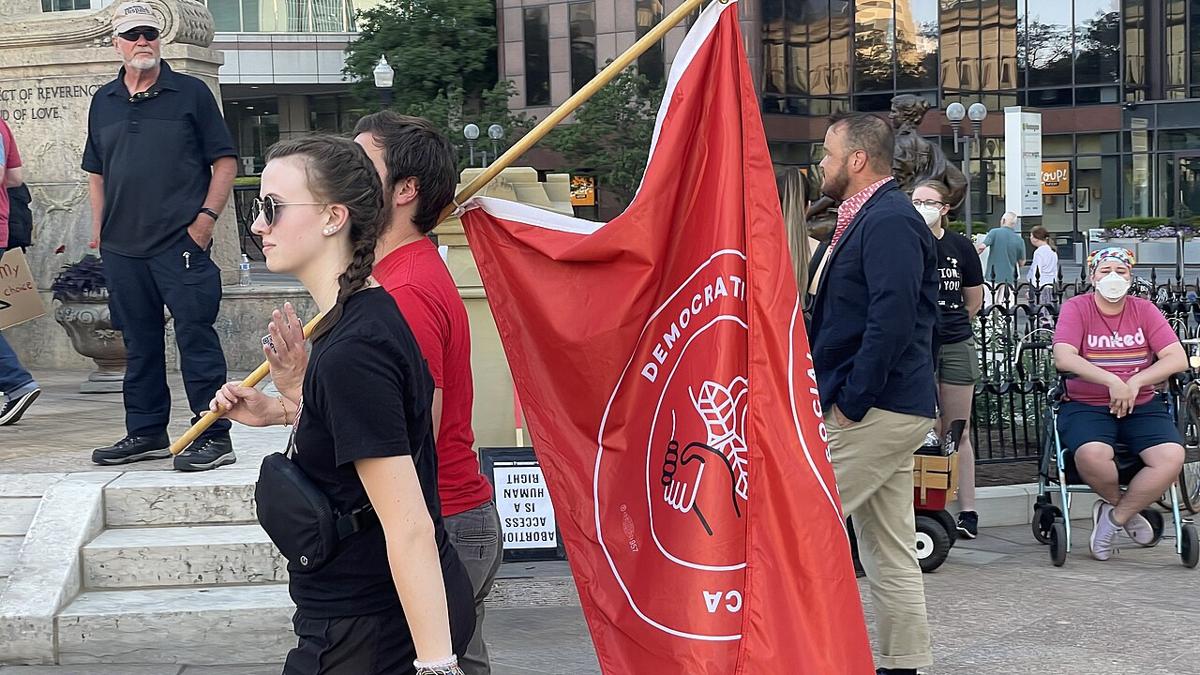
Socialism, often regarded historically as a radical ideology incompatible with America’s founding principles, has resurged as a considerable force within U.S. electoral politics. Once firmly relegated to the political margins, socialist ideas have stepped into the limelight largely due to the rise and organization of the Democratic Socialists of America (DSA). Their success in winning office from local councils to congressional seats marks a notable ideological shift in the American electorate. This transformation compels a thorough examination of socialism’s practical governance implications and its potential to reshape American liberty.
The renewed energy of socialist candidates invites scrutiny not only because of their policy proposals but also due to the broader philosophical challenge they pose to the nation’s free-market tradition. While socialism garners enthusiasm among certain demographics, conservative factions remain vigilant, warning that its ascendance threatens fundamental economic freedoms and the constitutional framework.
Electoral Growth of Socialist Candidates
"Socialism’s surge threatens the foundations of American liberty and free enterprise, demanding firm conservative vigilance and principled resistance."
The Democratic Socialists of America’s electoral gains exemplify effective grassroots political organizing over recent years. By August 2025, DSA-affiliated officials held over 250 elected positions nationwide, spanning 96 city council and county commissioner roles, eight mayoral or county executive offices, and a growing presence in key metropolitan hubs such as Chicago, Minneapolis, Los Angeles, and Portland—a clear indication that socialism's appeal has penetrated urban political ecosystems. This has transformed socialism from a theoretic critique into an actionable political agenda with tangible power.
Importantly, the 2026 midterm elections saw at least five freshly elected socialists enter the U.S. House of Representatives, representing states such as New York, Pennsylvania, Colorado, and Michigan. These new federal-level actors signify a strategic movement from local governments toward greater national impact. The transition illustrates not just isolated victories but a concerted effort to embed socialist ideology into the legislative process and policy debates on a broader stage.
However, this rise has been met with justified skepticism. Critics emphasize the socialism that these candidates advocate often includes sweeping expansions of government control and redistributive policies that challenge the economic freedoms traditionally held dear in American governance. Conservatives argue these interventions can lead to increased bureaucracy, higher taxes, and diminished incentives for innovation and entrepreneurship.
Defenders of socialism contest these critiques, portraying their platforms as necessary correctives to income inequality and excessive corporate influence. They argue such policies champion labor rights and economic justice. Still, notable fissures within the Democratic Party itself have surfaced; about fifteen Democrats have formally opposed socialism, highlighting ideological tensions that conservatives can leverage to frame socialism not as a national consensus, but a divisive experiment.
A microcosm illustrating these disputes is the election of Zohran Mamdani as mayor of New York City. Celebrated by progressive constituencies but deeply questioned by conservatives and skeptics, Mamdani’s so-called “sewer socialism” approach—originating from historic municipal socialism—raises questions about urban governance efficacy and voter motivation. Our coverage of Mamdani’s victory and analysis of higher education’s role in this shift shed light on the demographic and ideological forces at play.
Public Opinion and Political Response
The American public’s view on socialism is far from monolithic and remains contested along geographic and generational lines. A Gallup poll reflecting a rising positive sentiment toward socialism among 43% of Americans—including approximately two-thirds of Democrats—signifies that socialism’s ideals resonate with a sizable portion of voters, especially younger and urban populations. Yet, when looking at battleground states, polls reveal majorities still regard socialism unfavorably. This reflects the persistent polarization and skepticism about socialist policies beyond metropolitan strongholds.
In legislative chambers, this division is embodied in the 2023 U.S. House resolution condemning socialism. The resolution passed with the unanimous support of Republicans and a majority of Democrats, underscoring bipartisan concerns about socialism’s threat to America’s economic and political structures. This congressional stance aligns with the conservative commitment to capitalism, limited government, and individual liberty.
Conservative leaders have maintained vocal opposition to socialism, framing it as antithetical to America’s foundational values. Former President Trump’s repetitive warnings about communism and socialism serve as a rallying cry to conservatives who see an ideological battle for the nation's soul. Our detailed coverage of Trump’s speeches highlights their resonance among voters wary of socialism’s promise and risks.
Complementing political rhetoric, conservative commentators criticize government overreach and underscore free-market solutions as superior responses to economic challenges often cited by socialist proponents. Our panel discussions emphasize the belief that problems like inflation and rising living costs stem from excessive regulation and state intervention, rather than inherent flaws in capitalist markets.
The Socialist Movement’s Roots and Organizational Strategy
The DSA’s emergence as a political powerhouse owes itself to sustained grassroots organizing coupled with appeals to millennial and Gen Z voters frustrated with economic stagnation, student debt, and perceived corporate malfeasance. Their strategy artfully blends direct community engagement with media-savvy campaigns targeting urban centers, where progressive ideals hold more sway. Furthermore, the DSA’s roots in university activism have leveraged ideological leanings prevalent among students and academics, fostering a base that often challenges conservative educational perspectives, as our reports on polling among undergraduates illustrate.
Amidst these approaches, the DSA espouses reformist policies such as Medicare for All, substantial minimum wage hikes, and ambitious climate initiatives. Although these proposals gain electoral traction in some districts, conservatives argue they camouflage socialism’s inherently statist blueprint—marked by redistribution and centralized control—that history warns will suppress innovation and individual autonomy.
Moreover, the socialist movement actively pursues structural changes in government institutions aimed at expanding bureaucratic authority at the expense of traditional checks and balances. This effort includes influencing local governance where DSA officials shape city policies on welfare expansion, sanctuary city ordinances, and housing regulations. Conservatives remain concerned that such concentrated power threatens constitutional norms and exacerbates accountability deficits, as seen in our investigations into urban socialist administrations.
The question persists: do socialist policies enacted in heavily populated cities alleviate problems or compound them? Our coverage of key mayoral races exposes ongoing debates about policy efficacy and fiscal responsibility within these jurisdictions.
Conservative Concerns and Strategic Responses
Conservatives see socialism’s rapid gains as undermining the bedrock principles of free enterprise and limited government established by America’s founders. The ideology’s core emphasis on state control and redistribution stands in sharp contrast to the values of self-reliance, entrepreneurship, and individual liberty that conservatives champion. They warn against the creeping expansion of government dependency and bureaucratic powers that socialism entails, which they argue stifles economic dynamism.
Historical precedent reinforces conservative apprehensions. Failed socialist regimes, from the economic collapse in Venezuela to the authoritarian excesses of the Soviet Union, evidence the risks of abandoning market-oriented policies. Conservatives caution that even the incremental socialist inroads made by the DSA could presage similar outcomes if left unchecked.
This ideological divide has sharpened partisan polarization: socialists and progressives advocate for broad state intervention while conservatives promote market-driven solutions. This conflict transcends mere policy disagreements, touching on the essence of American constitutionalism and democratic governance.
Our reporting highlights how conservative activists attempt to mobilize voters through education campaigns emphasizing socialism’s dangers and promoting alternative policies rooted in liberty, fiscal responsibility, and national security. These efforts aim to counter socialist narratives and alert voters to the high stakes involved in ideological choice.
The Broader Implications for American Democracy
Socialism’s electoral momentum raises profound questions about the future of American political identity and governance. Its ascendance contributes to party realignment and the redefinition of electoral coalitions and pressures national discourse over government’s proper size and role. For conservatives, this moment demands careful balance: addressing legitimate concerns about economic inequality without abandoning the principles of free enterprise and constitutional protections.
The growing socialist footprint necessitates thoughtful responses that do not concede fundamental American values. Conservatives must craft and champion viable market-based solutions that alleviate economic hardship without surrendering control to expansive government entities. Such efforts anchor in the belief that sustainable prosperity depends on liberty and opportunity rather than state redistribution.
Looking ahead, the performance of socialist politicians—from mayors to members of Congress—will be closely watched to assess policy impacts. Their successes or failures will inevitably shape public opinion and electoral dynamics in upcoming cycles. Conservatives will continue to advocate vigorously for a constitutional republic anchored by limited government and an unfettered economy.
Ultimately, the ideological contest surrounding socialism underscores the importance of informed voter engagement, robust debate, and commitment to America’s founding ideals. Our ongoing coverage remains dedicated to examining socialism's rise, conservative challenges, and the broader battle over the nation’s political and economic future.
Frequently asked questions
What is the Democratic Socialists of America (DSA)?
The DSA is a political organization that promotes democratic socialism in the U.S., advocating for policies like expanded social welfare, economic equity, and public ownership in some sectors.
How significant is socialism’s presence in U.S. politics today?
Socialism has enhanced its presence with over 250 elected officials nationwide and several new representatives in Congress, particularly through the DSA.
What concerns do conservatives have about socialism?
Conservatives worry socialism risks increasing government overreach, damaging economic freedom, and eroding constitutional checks and balances.
How do Americans generally view socialism?
Public opinion is mixed; polls show a rising favorable view among Democrats and urban voters, but broader skepticism persists, especially in swing states.
What legislative actions have been taken against socialism?
In 2023, the U.S. House passed a bipartisan resolution condemning socialism in all forms to oppose its spread.
How can voters respond to the rise of socialism in elections?
Voters can engage by understanding socialism’s implications, supporting candidates who uphold free-market values, and advocating for policies that promote liberty and economic growth.
Timeline of our coverage
- 2026-11-12 — Conservative Panelists Blame Government for High Costs, Urge Free-Market Solutions
- 2026-10-31 — Swing-State Survey Finds Majority View Socialism Unfavorably, But Democrats Lead on Economy
- 2026-10-09 — Poll: 22% of Undergraduates Say U.S. Deserved 9/11, 45% Back Violence to Stop Hate Speech
- 2026-09-06 — House Passes Resolution Condemning Socialism Amid Rise in DSA-Backed Candidates
- 2026-07-06 — Trump Warns Against Communism in America During Independence Day Speech
- 2026-06-29 — Fifteen Democrats Sign Coalition Against Socialism as DSA Gains Ground
- 2026-06-23 — Socialists Gain Ground in Major U.S. Cities with D.C. Mayoral Primary Win
- 2025-11-10 — Mamdani's Mayoral Victory Highlights Concerns Over Higher Education's Role in Political Shift
- 2025-11-05 — Mass Migration Made A Ugandan Socialist Mayor Of NYC
- 2025-11-05 — NYC Voters Elect Communist Zohran Mamdani As Next Mayor
- 2025-10-29 — Criticism of Clergy Supporting Socialist Mayoral Candidate in NYC
- 2025-10-29 — With Mamdani Endorsements, Dems Finally Admit They’re Socialists
- 2025-10-22 — Critics Question Viability of Zohran Mamdani's 'Sewer Socialism' in New York City
- 2025-09-09 — Emerging Socialist Influence in Democratic Politics Raises Concerns
- 2025-09-02 — New York Times Profiles Socialist Mayoral Candidate Zohran Mamdani
The Bottom Line
- Socialism’s rise marks a fundamental challenge to America’s free-market economy and constitutional framework.
- Electoral gains by socialist candidates signal a shift in political power and policy priorities with long-term consequences.
- Growing public division over socialism underscores the need for clear, principled political leadership.
- Conservative responses shape the future of American governance and the preservation of individual freedom.



Sources
- House Passes Womack Cosponsored Measure Denouncing Socialism
- FEC
- Peoplesdispatch.org: Socialism Is Increasingly Popular In The Us So The House Of Representatives Denounces It (Feb 04, 2023)
- Marxistleftreview.org: Review Socialism In The United States
- Bostondsa.org: Reflections On 2023 Dsa And Ydsa Convention (Aug 29, 2023)
- Axios.com: Democratic Socialists America Dsa Midterms (Nov 04, 2026)
- Theatlantic.com: 688529
- En.wikipedia.org: Democratic Socialists Of America
- Influencewatch.org: Democratic Socialists Of America
- En.wikipedia.org: Socialism In The United States