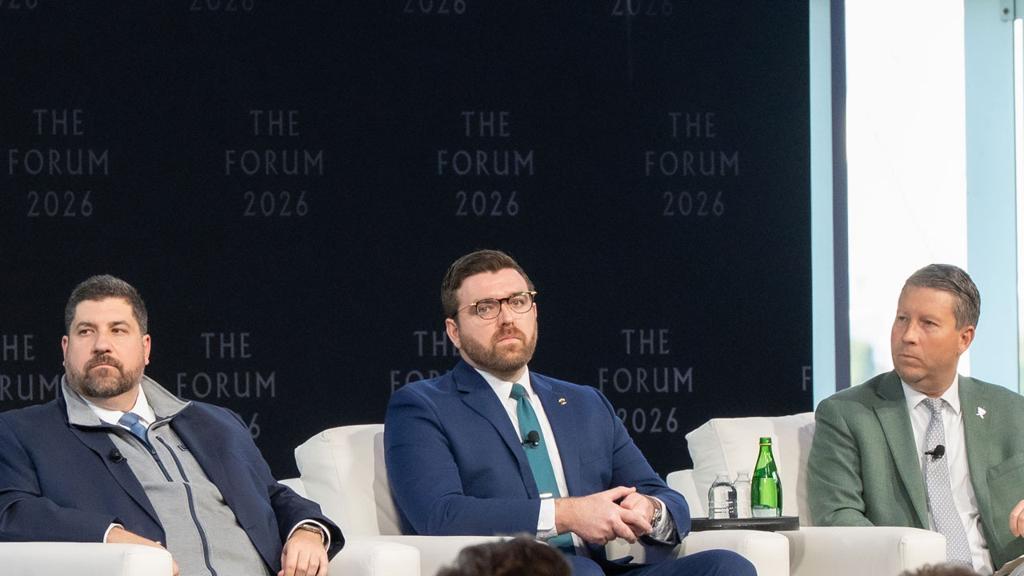
Conservative leaders gathered at a Heritage Foundation conference in Oxon Hill, Maryland, this week, where they argued that government intervention is the primary driver behind rising costs across the American economy. The panelists warned that the incoming Democrat majorities in Congress are unlikely to resolve ongoing affordability issues, and instead called for a renewed focus on free-market solutions.
Explainer Education Policy Reform: Accountability, Innovation, and School Choice in America
The event, known as The Forum, brought together several prominent conservative voices to discuss the impact of government policies on prices in key sectors. Jonathan Williams, president and chief economist of the American Legislative Exchange Council, was among those who spoke out against government involvement. He pointed to high costs in areas such as college textbooks, higher education, and health care, attributing these increases to regulatory and legislative interference. Williams also cited elevated home and gas prices as examples of sectors where government is deeply involved, stating, "It’s the things that government is so intertwined with when you look at facets of the economy."
Panelists at the conference emphasized that these affordability challenges are not isolated incidents, but rather part of a broader pattern linked to government action. They argued that policies intended to help consumers often have the opposite effect, driving up prices and limiting choices for ordinary Americans. The discussion reflected a broader conservative critique that government regulation and spending tend to distort markets and create inefficiencies.
Panel Critiques on Economic Policy
During the panel, Tony Kinnett, senior national correspondent for the Daily Signal, offered a critical assessment of former President Donald Trump’s economic record. Kinnett argued that Trump declared economic victory prematurely, before most Americans felt any real relief from high costs. While acknowledging that there were "substantive victories that were very long fought," Kinnett contended that policies such as tariffs and the Iran war had negative economic effects, despite some claims of long-term benefits. He said, "The problem is that people wanted relief, all the affordability issue, now."
Kinnett further explained that voters are often looking for both immediate and midterm improvements in their economic situations. He suggested that celebrating economic success too early can undermine public confidence, especially if everyday Americans do not experience tangible benefits.
"On Day One, it was a golden age, it was so golden, and then it wasn't, and there's no sugarcoating that at all."
— Tony Kinnett, senior national correspondent, Daily Signal
The panelists agreed that policymakers should be mindful of how economic messaging is received by the public, particularly when it comes to claims about affordability and prosperity.
Messaging to Younger Voters
A significant portion of the discussion focused on the challenge of reaching younger voters, particularly Generation Z. Matt Lira, executive director of Invest America, warned that Democrats have been effective in promoting socialist ideas to younger Americans. He described this trend as more than a passing phase, noting, "None of those earlier generations had a majority in favor of socialism, even though they were, of course, more liberal, than they became, as they aged."
Williams suggested that polling data showing support for socialism among young people may be misleading, as some respondents might confuse the term with being social or community-oriented, rather than understanding its economic implications. Kinnett echoed the need for conservatives to improve their messaging, arguing that a positive vision of free markets could resonate with younger voters. "The answer on the messaging for the youth is: Here's where you could go under free markets," he said.
Panelists stressed that conservatives must do more to communicate the benefits of economic freedom and entrepreneurship, especially as younger generations become more politically active. They suggested that clear, optimistic messaging about the opportunities available in a free-market system could help counter the appeal of socialist policies.
Alternatives to College and Workforce Development
The panel also addressed the issue of higher education costs and the burden of student loan debt. Panelists advocated for greater promotion of trade schools and apprenticeships as viable alternatives to traditional four-year college degrees. Kinnett argued that many young people are pressured into attending college, often resulting in significant debt and uncertain job prospects. He called for increased support for vocational training, stating, "Trade schools should be pushed and pushed as far, and as hard, and as fast as we can."
Kinnett also highlighted the value of mentorship and apprenticeship models, suggesting that these approaches could strengthen local communities by providing practical skills and career pathways. The panelists agreed that expanding access to workforce development programs could help address both affordability concerns and labor market needs.
Notably, the discussion at The Forum did not include a response from Democratic leaders or supporters of current government policies. The panelists focused on outlining their critiques and proposing conservative alternatives, emphasizing the need for policy changes and improved communication strategies to address the economic challenges facing Americans today.
The conference concluded with calls for a shift in both policy and messaging, as conservative leaders seek to make the case for free-market solutions to rising costs and to engage a new generation of voters in the debate over the future of the American economy.