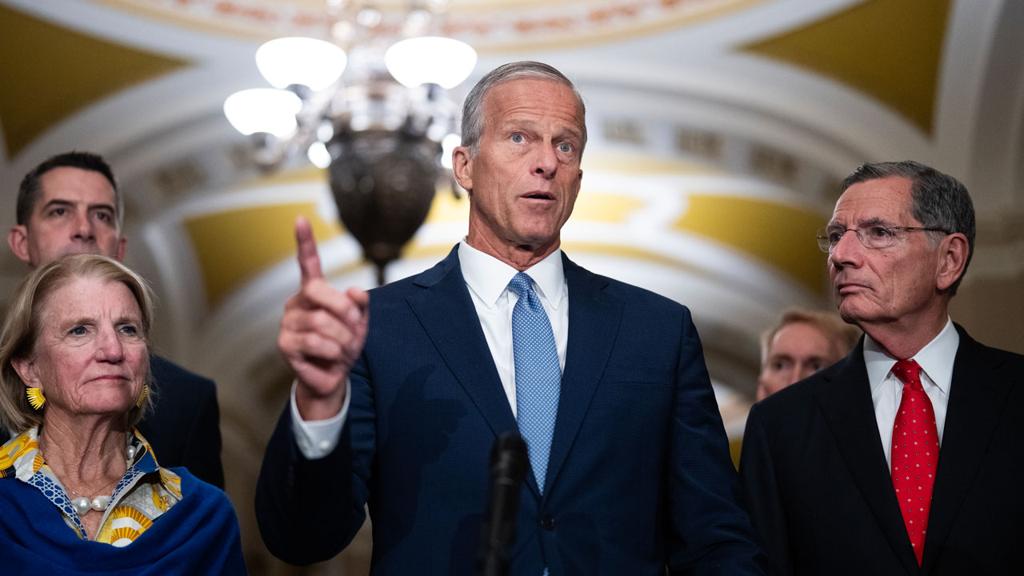
Senate Republicans have voted by acclamation to retain John Thune as their leader for the 120th Congress, reaffirming his position as the party prepares to shift from majority to minority status in the Senate. Thune and his entire leadership slate were reelected unopposed, with no official ballot cast, signaling a desire for continuity at a time of transition and internal debate within the GOP.
Explainer The SAVE America Act: Defending Election Integrity with Strong Voter Eligibility Laws
The decision to keep Thune and his team in place comes as the Republican Party faces ongoing internal divisions over its direction, strategy, and priorities. These divisions were highlighted by Sen. Ron Johnson’s unsuccessful attempt to delay the leadership vote, culminating in his walkout from the proceedings. The episode underscored the tensions within the party as it prepares to navigate a new political landscape in the upcoming Congress.
Thune and Team Reelected
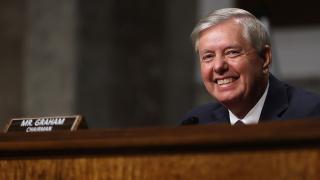
John Thune, who currently serves as Senate majority leader, was confirmed to continue as the top Republican in the chamber. With the party set to enter the minority, Thune is expected to become the Senate minority leader in the new Congress. The rest of his leadership team—including Majority Whip John Barrasso, Conference Chairman Tom Cotton, Policy Committee Chairwoman Shelley Moore Capito, and Conference Vice Chairman James Lankford—were all reelected to their respective posts by acclamation, reflecting a unified front among the upper ranks of Senate GOP leadership.
In a statement following the vote, Thune emphasized the importance of open communication within the conference and expressed gratitude for the continued trust of his colleagues. He stated, "I’m proud of what this Republican team has accomplished together, and we remain united in our commitment to advancing conservative priorities, working with President [Donald] Trump and our colleagues in the House, and holding the line against Democrats’ efforts to enact their far-left, liberal agenda. We have important work ahead of us, and I look forward to serving alongside my colleagues on behalf of the American people."
Thune’s remarks highlighted both the party’s accomplishments and its intention to work closely with the House and President Trump, while also positioning Senate Republicans as a check on the Democratic agenda. The reelection of the entire leadership slate without opposition was seen by supporters as a sign of stability and readiness to address the challenges of the upcoming session.
Johnson’s Protest and Vote
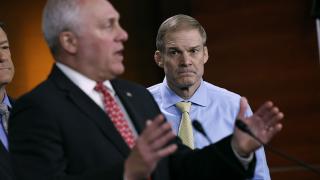
The leadership elections were not without controversy. Sen. Ron Johnson of Wisconsin, a vocal critic of the current direction of the party, sought to postpone the leadership vote. Johnson’s motion was defeated in a 15-31 vote, after which he followed through on his pledge to walk out of the proceedings. "I really don’t like walking out, but you know that’s what I said I was going to do, and I did it," Johnson told reporters after leaving the meeting.
Johnson’s protest reflected broader debates within the party over its future course and leadership. Despite his objections, the rest of the Senate Republican conference proceeded with the leadership elections without further delay or opposition. Supporters of the current leadership emphasized the importance of unity and the need to focus on legislative priorities and collaboration with the House and the White House.
New NRSC Chair and Leadership Reactions
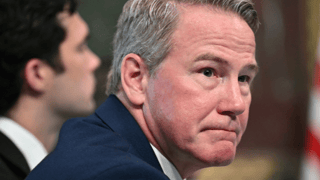
In addition to the main leadership elections, Senate Republicans selected Sen. Bernie Moreno of Ohio as the new chairman of the National Republican Senatorial Committee (NRSC), replacing Sen. Tim Scott. The NRSC is responsible for overseeing campaign efforts and strategy for Senate Republicans. Moreno, addressing reporters after his selection, pledged that the party would be "absolute savages" in their efforts to end government corruption, which he identified as a top concern among voters.
The leadership changes at the NRSC were met with praise from party strategists. Senate Leadership Fund Executive Director Alex Latcham congratulated both Barrasso and Moreno, describing Barrasso as having played a "central role in advancing President Trump’s agenda, including the historic Working Families Tax Cuts." Latcham also called Moreno a "proven winner" with "boundless energy and the keen political instincts that will be critical to our efforts."
The leadership elections and the selection of Moreno as NRSC chair come at a pivotal moment for Senate Republicans, who are preparing for a new Congress and the challenges of operating in the minority. The party’s leadership team emphasized readiness to work with the House and the White House, while also positioning themselves as a counterweight to Democratic initiatives.
No Democratic leaders or outside experts immediately responded to the GOP leadership decisions or Johnson’s protest. The lack of immediate reaction from across the aisle leaves open questions about how the new Republican leadership team will interact with their Democratic counterparts in the months ahead.
As the 120th Congress approaches, Senate Republicans appear focused on maintaining internal unity and preparing for legislative battles, even as debates over the party’s direction continue to simmer beneath the surface.