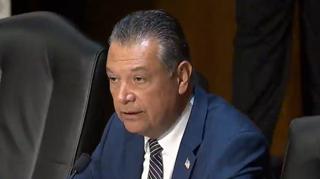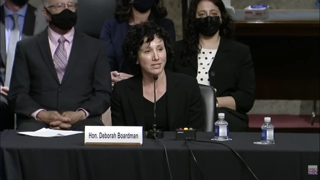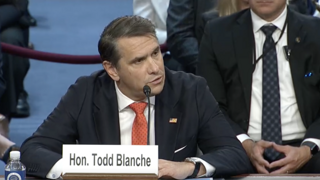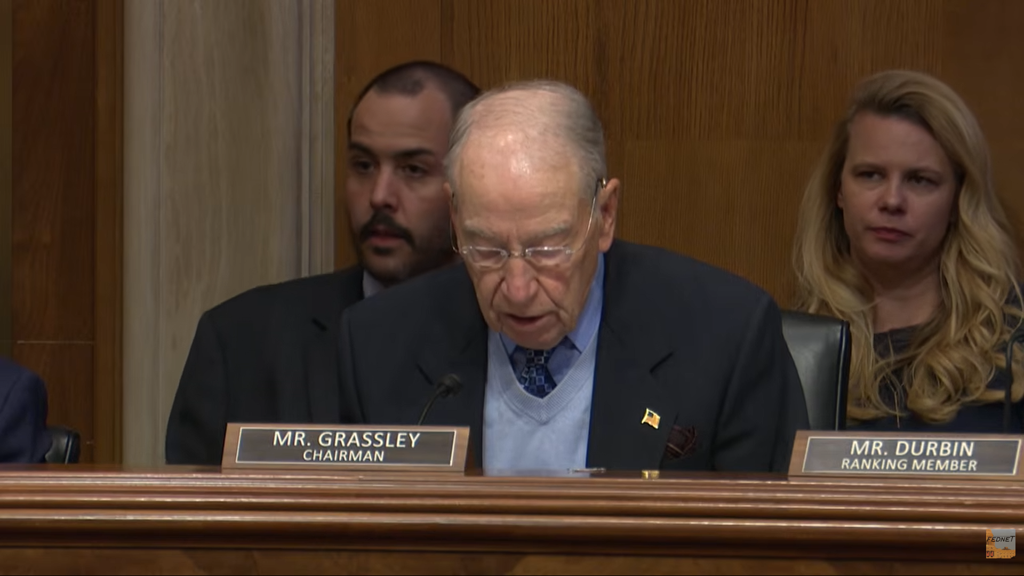
The Senate Judiciary Committee advanced four of President Trump’s judicial nominees to the full Senate on Tuesday, intensifying efforts to confirm them before Republicans lose their majority in January. The committee voted 12-10 along party lines to approve Daniel Ballou for the Eastern District of Kentucky, Richard Bennett for the Southern District of Texas, and Courtney Coker for the Northern District of Texas. Kyle Reardon, nominated for the District of Alaska, was advanced in a 16-6 vote, with several Democrats joining Republicans in support, according to the committee’s official meeting results.
Explainer Voter ID Laws: Securing Elections While Debating Accessibility and Integrity
The push to confirm these nominees underscores the partisan divide over judicial appointments in the closing weeks of the current Congress. With the Republican majority set to end in January, the party is moving quickly to fill as many federal court vacancies as possible. Democrats have signaled plans to block further Trump nominees once they assume control, making the current window critical for Republican efforts.
More than two dozen Article III judicial vacancies remain unfilled, according to Ballotpedia. The Judiciary Committee postponed votes on several other nominees, including Lee Rudofsky, Trump’s pick for the Eighth Circuit Court of Appeals. Under the committee rules, any member or the chair can hold over nominations until the next meeting or for one week, whichever is later, allowing for delays in the confirmation process.
Partisan Votes and Delays
The committee’s votes reflected sharp partisan divisions. Ballou, Bennett, and Coker each advanced by a 12-10 margin, with all Republicans supporting and all Democrats opposing. Reardon’s nomination, however, saw some bipartisan backing, passing 16-6 as a handful of Democrats joined Republicans in support.
Several other nominees were listed on the agenda but did not receive votes and were held over to a future meeting. These included Robert E. Long, Jr. for the Middle District of Florida, Peter M. Mansfield for the Eastern District of Louisiana, and Jesus A. Osete for the Western District of Missouri. The committee’s decision to hold over these nominations reflects both procedural rules and ongoing negotiations among senators.
The nomination of Lee Rudofsky for the Eighth Circuit Court of Appeals was notably delayed. Reports indicate that Arkansas Republican Senators John Boozman and Tom Cotton are withholding support for Rudofsky’s nomination. Sources familiar with the process attribute the hold to Boozman’s preference for Arkansas Supreme Court Justice Cody Hiland for the appellate seat. Hiland, who previously told law students he expected a nomination to the Eighth Circuit, was instead offered a district court seat, which he declined.
Senators’ Positions and Next Steps
Sen. John Boozman did not deny reports of his role in the delay when questioned by local media. He emphasized the importance of the Senate’s advice and consent role in judicial nominations and the tradition of home-state senators having significant input in the selection process.
"I am proud to have helped confirm many constitutionalist judges to the bench and believe the Senate’s unique prerogative in that process is worth protecting, including the need for home-state senators’ feedback to meaningfully shape the selection of nominees."
— Sen. John Boozman, R-Ark.
Sen. Mike Lee, R-Utah, who is expected to become the committee’s ranking member next year, urged colleagues to move quickly on Rudofsky and other Trump nominees. Lee warned that if the Senate does not act before the new Congress convenes, it is unlikely President Trump will be able to fill these positions. "If the Senate doesn’t do this now, it’s unlikely President Trump will be able to fill these positions in the next Congress," Lee wrote on X.
The committee’s next meeting is expected to revisit the nominations that were held over, including Rudofsky’s. The outcome of these votes will determine how many of Trump’s judicial picks are confirmed before the new Congress is seated.
Democratic Opposition and Future Outlook
Senate Democrats, led by likely incoming Majority Leader Chuck Schumer, have indicated plans to block Trump’s judicial nominees in the next Congress, including any potential Supreme Court picks. Schumer told reporters last week that Democrats would use their majority to halt further confirmations, signaling a shift in the Senate’s approach to judicial appointments.
The Judiciary Committee’s upcoming meeting will be closely watched as it addresses the remaining nominations. The decisions made in the coming weeks will shape the federal judiciary for years to come, as the Senate races to confirm as many nominees as possible before the new Congress convenes in January.
The partisan nature of the confirmation process, the use of procedural holds, and the uncertainty surrounding several high-profile nominations underscore the significance of the Senate’s role in shaping the federal bench. With more than two dozen vacancies still open, the outcome of these final confirmation battles will have a lasting impact on the federal judiciary and the balance of power in the courts.