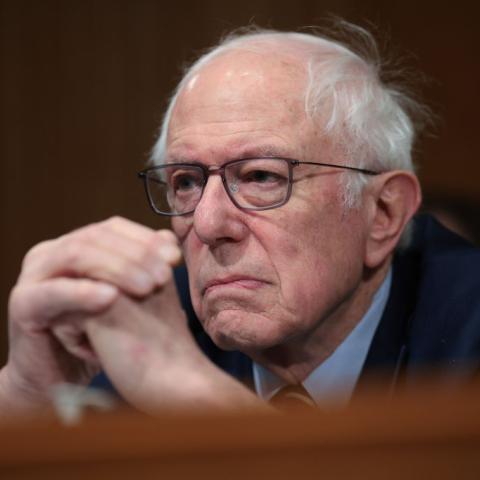
Sen. Bernie Sanders announced Tuesday that he will not support Sen. Chuck Schumer for reelection as Democratic majority leader, urging the party to consider new leadership as it enters the next Congress.
Explainer Understanding Government Shutdowns: Causes, Consequences, and Conservative Solutions
The move signals a push from progressive lawmakers for a shift in the party’s leadership and priorities. Sanders and his allies are calling for a broader debate over the Democratic agenda, arguing that the party needs to reassess its direction as it prepares for the next legislative session.
Sanders made his remarks during a Capitol news conference, standing alongside Sen. Elissa Slotkin. Slotkin echoed Sanders’ calls for open discussion about the party’s future. She said she wants candidates for majority leader to present detailed priorities and pledged to vote against any nominee who does not do so. Slotkin emphasized the need for transparency in the selection process, stating that she expects all candidates to clearly outline their plans for the new majority. She warned she would oppose any candidate who fails to provide specifics on their priorities.
"The time is now for change, and I will not be supporting Chuck to be reelected as the Democratic leader."
— Bernie Sanders, U.S. Senator
Progressive Support for Van Hollen
Michigan Sen.-elect Abdul El-Sayed and other progressive figures are backing Sen. Chris Van Hollen of Maryland as a potential challenger for the leadership post. Their support reflects growing pressure from the party’s left flank to move away from established leadership and adopt new policy directions. The endorsement of Van Hollen by progressives signals a desire for a leader who will prioritize issues such as economic inequality, health care reform, and climate action.
The call for change comes as Democrats prepare to organize for the new Congress. Internal debates over leadership and strategy are intensifying, with Sanders and Slotkin’s public statements highlighting divisions within the party over its direction and the role of progressive voices in shaping its future. These divisions have been growing in recent years, as progressives have sought a greater say in the party’s legislative priorities and leadership decisions.
Schumer and his supporters have not publicly responded to Sanders’ announcement or the calls for a contested leadership race. The lack of response from Schumer’s camp leaves open questions about how the current leadership will address the concerns raised by Sanders and other progressives.
The challenge to Schumer’s leadership marks a notable escalation in the ongoing debate over the Democratic Party’s identity and legislative agenda. The outcome of the leadership contest will shape the party’s approach to governance and its relationship with its progressive wing. As Democrats look ahead to the next Congress, the leadership race is expected to be a focal point for discussions about the party’s future direction and the balance of power between its moderate and progressive factions.
The debate over party leadership comes at a critical time for Democrats, who are facing both internal and external pressures. The party’s ability to present a unified front and articulate a clear agenda will be closely watched by supporters and opponents alike. The leadership contest, and the broader debate it has sparked, will likely influence the party’s strategy and priorities in the coming years.