New York Times Under Fire: Navigating Legal Battles, Editorial Bias, and Technological Disruption
Explore the multifaceted challenges facing the New York Times, from costly legal defeats and editorial controversies to AI-related lawsuits and internal labor disputes.
Additional reporting by Alex Monroe, Oliver Brown
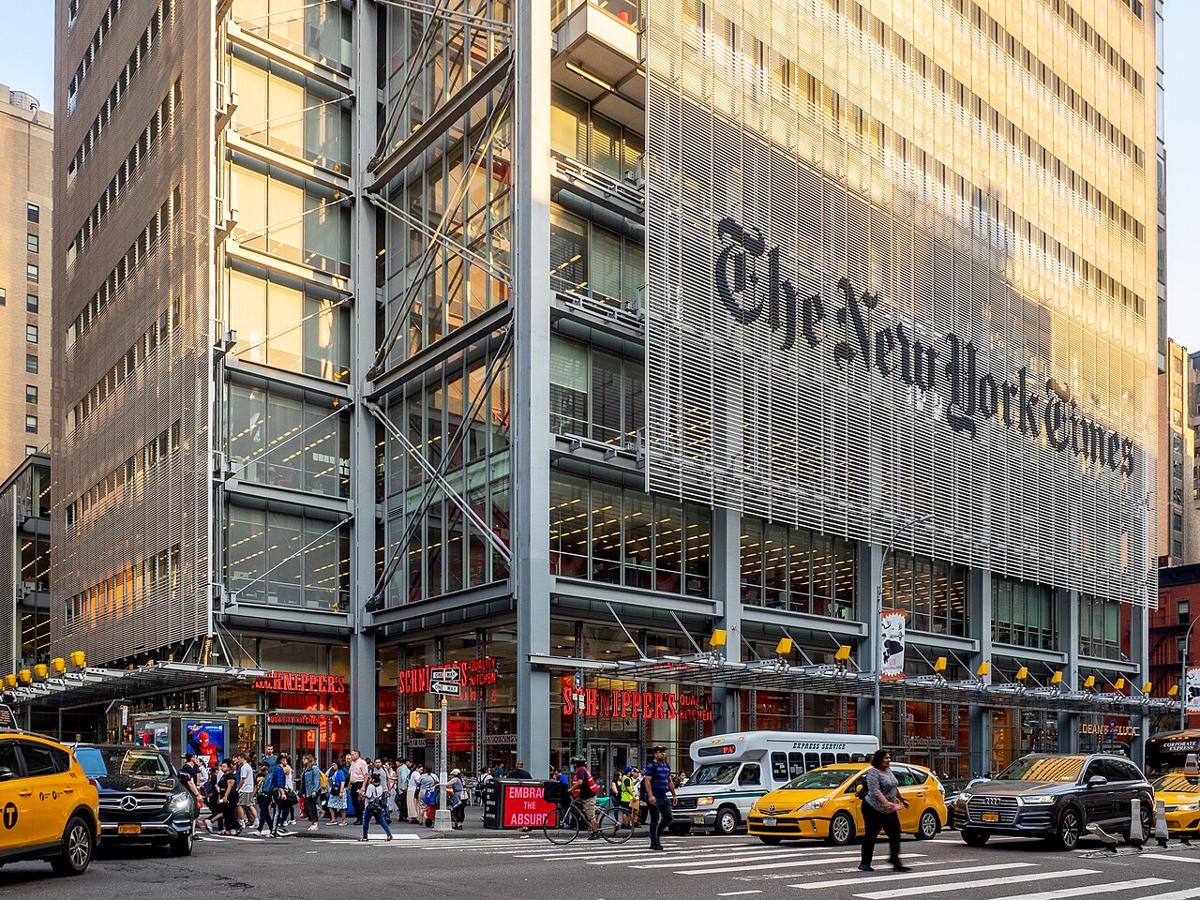
The New York Times (NYT) has long stood as a towering institution in American journalism, shaping public discourse and setting news agendas for over 170 years since its founding in 1851. It has defined the contours of national discussions, wielding considerable cultural and political influence. Yet beneath this venerable surface, the Times is contending with an array of challenges that illuminate the shifting dynamics of media in America—spanning legal vulnerabilities, editorial controversies, technological disruptions, and labor unrest.
These troubles offer a microcosm of the broader upheaval facing many legacy media entities as they grapple with economic pressures, evolving audience expectations, and the rising tide of social and political polarization. Dissecting the New York Times’ current predicament reveals overlapping tensions between journalistic integrity, ideological leanings, labor relations, and copyright concerns in a rapidly transforming environment. A careful examination of these interlocking factors provides a nuanced understanding of the NYT’s evolving role and the future of American journalism.
Legal Challenges and Defamation Concerns
"The New York Times' legal defeats, cultural biases, and tech battles reveal a media giant struggling to preserve relevance amid a fractured America."
A particularly defining feature of the NYT’s recent struggles centers on its legal setbacks involving defamation claims. In a landmark September 2023 case, a federal jury ordered the Times to pay $9.25 million to Kai Spears, a former University of Alabama basketball player, after finding the paper liable for defaming him by inaccurately linking him to a fatal shooting. This verdict cast a harsh spotlight on the paper’s journalistic standards, revealing critical lapses in fact-checking and editorial oversight that led to grave reputational harm for Spears.
The significance of this ruling extends beyond the immediate financial penalty—it reopens the debate around the "actual malice" doctrine established by the landmark 1964 Supreme Court decision in New York Times Co. v. Sullivan. This legal standard, designed to protect freedom of the press, requires public figures to prove that defamatory statements were made with knowledge of their falsity or reckless disregard for the truth. Critics of the Times argue the paper exploits the protective shield of this doctrine while failing to maintain the rigorous discipline necessary to avoid such errors, thereby undermining public trust.
Moreover, this defamation verdict fuels skepticism about the media’s role as a reliable fact-finder, especially for outlets perceived to operate with ideological biases. The Times' coverage of charged subjects—including immigration enforcement crackdowns and race-related crime stories—has often drawn sharp criticism for perceived distortion or selective framing. Instances such as debates around how 9/11 victim narratives are portrayed underscore the persistent controversies stirred by the paper’s editorial choices, raising broader questions about the responsibilities of mainstream media in reporting sensitive issues with impartiality.
Editorial Bias and Cultural Controversies
The New York Times’ editorial voice increasingly reflects progressive social and political agendas that frequently put it at odds with conservative values, intensifying cultural conflicts in public discourse. For example, backlash erupted over a Father’s Day cartoon depicting a transgender parent, provoking accusations that the paper censors or marginalizes dissenting views in favor of an activist narrative. Similarly, the paper’s criticism of Kansas’ sex-based space laws sparked fierce debate, illustrating the Times’ alignment with policies seen by many conservatives as undermining traditional social norms.
This editorial inclination is marked not only by policy support but also by a tendency towards framing narratives through intersecting identities and social justice themes, which some readers perceive as alienating or even authoritarian. The Times’ recent editorial board critique of the investigation into Representative Ilhan Omar, denouncing it as employing "authoritarian tactics," ironically highlights how the paper itself participates in shaping contentious political discourse with clear ideological slants.
Further, the blending of opinion and news complicates the perception of the Times as a place for unbiased information, with editorial decisions influencing coverage priorities and story framing. For instance, the conflation of affirmative action legality with the immigration debate represents a troubling blurring of legal frameworks. The Times posited that if affirmative action is to be considered illegal, so too should immigration law be questioned, conflating distinct policy arenas and provoking backlash from conservatives who see this as undermining law and order principles.
Such editorial editorializing often exacerbates distrust among conservative audiences, fueling calls for greater media accountability and transparency. While defenders within the establishment emphasize the importance of inclusivity and progressive values, from a conservative viewpoint, these editorial directions risk reinforcing division rather than fostering balanced debate.
Technological Disruption and AI Lawsuit
Beyond legal and editorial challenges, the New York Times finds itself confronting the profound impact of technological disruption, particularly around artificial intelligence. In December 2023, the Times took the unprecedented step of suing tech giants OpenAI and Microsoft for allegedly scraping its copyrighted news articles without authorization to train AI language models. The lawsuit asserts that this unauthorized use jeopardizes the financial model underpinning quality journalism by facilitating AI-generated content that directly competes with traditional reporting.
This case spotlights a critical dilemma facing legacy media companies: how to protect intellectual property rights amid rapid advances in AI that destabilize longstanding paradigms of content creation and distribution. While AI promises innovative tools to assist journalism, it simultaneously threatens the revenue streams and labor investments required for investigative reporting, fact verification, and editorial integrity.
The outcome of the Times’ legal challenge could set vital precedents for the treatment of copyrighted material in the AI era. Without appropriate legal protections and commercial arrangements, media outlets risk diminished incentives to produce original, high-quality journalism, which could herald a decline in the robustness of democracy’s information ecosystem. On the other hand, opponents of rigid copyright enforcement warn of stifling innovation and technological progress.
Consequently, the NYT’s lawsuit encapsulates the broader conflict between protecting creators’ rights and embracing emerging technologies, a balancing act that will shape the media landscape for decades. This struggle underlines the urgency of policymakers, courts, and industry stakeholders collaborating to calibrate new frameworks that recognize both technological realities and the social value of independent journalism.
Workplace Conflicts and Labor Unrest
Compounding external pressures, the New York Times also faces significant internal strife stemming from its handling of workplace culture and labor relations. In August 2023, multiple unions representing Times employees issued cease-and-desist letters in response to management-mandated return-to-office policies, arguing these directives violated existing labor agreements and hindered employees’ desired work-life balance.
This backlash epitomizes post-pandemic tensions pervading many industries about remote work, flexibility, and employee autonomy. The Times’ insistence on returning to centralized office work appears inconsistent with its progressive public persona, resulting in criticism that it prioritizes hierarchical control over employee well-being. The resolute stance of labor unions to publicly confront editorial and executive leadership signals a rising wave of union activism even within prestigious media institutions.
The reputational and operational risks prompted by this internal discord are significant. Prolonged disputes over workplace mandates threaten newsroom stability, dissuade talent retention, and may indirectly affect the quality of reporting and editorial consistency. These labor challenges dovetail with broader shifts in American workforce expectations, putting additional strain on a media entity navigating legal risks and editorial controversies simultaneously.
Such dynamics underscore the interconnectedness of labor relations with journalistic output and corporate credibility, reminding conservative observers that even respected institutions are vulnerable to the sweeping transformations reshaping work culture nationwide.
Broader Implications for American Media and Conservatism
The multifaceted saga of the New York Times encapsulates numerous fault lines affecting American media today — where ideological contestation, technological upheaval, legal standards, and labor activism intersect. From a conservative vantage point, the NYT personifies troubling trends: a journalistic culture increasingly skeptical of traditional norms, shielded by legal doctrines that can shield recklessness, and inclined toward editorializing that often sidelines conservative perspectives.
Yet this confrontation also offers an opportunity to clarify conservative strategies for engaging with major media institutions. Emphasizing media literacy, encouraging competitive outlets, and pushing for legal and regulatory reforms to demand accountability can help counterbalance the Times’ outsized influence. Examining the NYT’s coverage of shootings, immigration debates, or educational controversies reveals the crucial importance of scrutinizing narrative framing and ensuring diverse voices are heard.
Despite its shortcomings, the New York Times remains an indispensable platform shaping public opinion and political discourse. Thoughtful conservatives can leverage the scrutiny and challenges the NYT faces to foster healthier media ecosystems where transparency, accuracy, and ideological plurality improve the democratic conversation.
Ultimately, the Times’ trajectory illuminates broader societal tensions about liberty, truth, and community authority amid rapid change. As the paper navigates legal battles, confronts cultural critiques, wrestles with AI’s rise, and manages internal labor relations, it also embodies the ongoing contest over America’s identity and informational future.
For those seeking more detail into the paper’s legal woes and defamation issues, our coverage of the defamation suit outcome offers a comprehensive view.
To explore the cultural controversies elicited by Times’ editorial decisions, see our report on the Father’s Day cartoon backlash.
Insights into internal workplace tensions are detailed in our piece on the union dispute over return-to-office, highlighting the evolving labor relations at the paper.
Analyses of the Times’ immigration coverage and editorial positions can be found in our article on NYT's stance linking affirmative action and immigration law.
Lastly, for how editorial perspectives intersect with political investigations, see the ongoing opinion critiques of the Omar investigation.
Frequently asked questions
What led to the New York Times' recent defamation lawsuit loss?
The NYT incorrectly reported that Kai Spears was involved in a fatal shooting, leading a federal jury to award him $9.25 million for defamation.
Why did the NYT sue OpenAI and Microsoft?
They alleged that those companies used NYT articles without authorization to train AI language models, which undermines the Times' copyright and revenue.
What are the main criticisms of the NYT’s editorial stance?
Critics argue the NYT's content often advances progressive social agendas that conflict with conservative values and factual neutrality.
How has the NYT handled workplace policies post-pandemic?
The paper mandated returns to offices, prompting union pushback for violations of labor agreements and disputes over working conditions.
What is the significance of the 'actual malice' standard in media law?
It requires that public figures prove a publisher knowingly published falsehoods or demonstrated reckless disregard for the truth to win defamation cases, benefiting outlets like the NYT.
How does the NYT’s coverage influence public opinion?
As one of the nation’s most influential newspapers, the NYT shapes narratives on politics, culture, and social issues, often setting the agenda for other media outlets.
Are the NYT’s legal and editorial challenges unique?
While prominent, these challenges are indicative of broader pressures confronting legacy media adapting to digital, technological, and ideological changes.
Timeline of our coverage
- 2026-10-26 — NYT Editorial Board Criticizes Omar Investigation, Cites 'Authoritarian' Tactics
- 2026-09-12 — Debate Flares Over 9/11 Victimhood in New York Times Coverage
- 2026-08-25 — New York Times Loses Defamation Suit, Renewing Debate Over 'Actual Malice' Standard
- 2026-08-20 — Kansas Laws on Sex-Based Spaces Draw Criticism From NYT Columnist, Support From Advocates
- 2026-06-22 — New York Times Faces Backlash Over Father's Day Cartoon Featuring Transgender Parent
- 2026-04-30 — NY Times Says If Affirmative Action Is Illegal, So Is Immigration Law
- 2026-04-16 — Controversy Erupts Over Texas Rangers Statue Amid Criticism from NYT
- 2026-01-12 — New York Times Analysis Sparks Debate Over Minneapolis Shooting Incident
- 2025-12-19 — Debate Over Homeschooling Intensifies Following NYT Critique
- 2025-12-09 — Criticism of Biden's Immigration Policies Intensifies Following NYT Article
- 2025-11-25 — NYT: Illegal Alien Who Stole An American's Identity Is A Victim Too
- 2025-11-21 — Debate Over Fertility Care and Women's Autonomy Intensifies
- 2025-11-19 — Be Ready For The Next Epstein Revelation To Fall Flat
- 2025-11-06 — NYT Is Terrified Of Mamdani, The Mayor It Helped Create
- 2025-09-12 — Media Reactions to Charlie Kirk's Death Spark Controversy
- 2025-08-15 — Dems Don't Get To Act Thoughtful About Fixing Their Crime Fiasco
The Bottom Line
- The NYT’s legal challenges highlight vulnerabilities even the most prestigious media face, emphasizing the need for journalistic accountability.
- Editorial biases at the Times shape public discourse in ways that often conflict with conservative values, influencing political and cultural debates.
- The lawsuit over AI training materials sets a precedent that could affect the future sustainability of quality journalism across the industry.
- Labor disputes within the Times reflect broader workplace trends affecting millions of Americans, illustrating changing work expectations.



Sources
- National Labor Relations Board Complaint Against The New York Times Company
- Fcc.gov
- Latimes.com: New York Times Sues Openai Microsoft Over Use Of Its Stories To Train Chatbots
- Arxiv.org: 2412
- Hallapproved.com: 9887404
- Courtexplained.org: Atas V The New York Times Company 9887404
- Apnews.com: 752087777b8694749a5305866ac15b13
- Axios.com: Nyt Unions File Cease And Desist Letters Return To Office Policies (Aug 29, 2023)