A recent series of articles in The New York Times has sparked criticism for emphasizing the experiences of Muslims facing Islamophobia after the September 11 attacks, with detractors arguing the coverage minimizes the suffering of the 2,977 people killed and their families.
Explainer U.S. Immigration Enforcement and Law Enforcement: Balancing Security and Community Tensions
The core dispute centers on whether media narratives are shifting attention from those killed in the attacks to the challenges faced by Muslim Americans in the aftermath. The controversy comes as the 25th anniversary of the 9/11 attacks prompts renewed reflection on public memory and the role of media in shaping perceptions of victimhood.
Times Coverage and Muslim Experiences
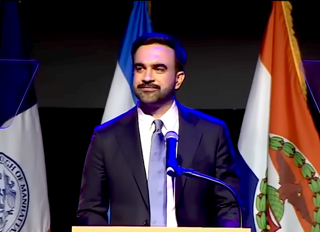
In an article by Maya King and Jeffrey C. Mays, The New York Times profiled Zohran Mamdani, New York’s first Muslim mayor, highlighting the "added layer of pressure and scrutiny" he faces due to his faith. The piece quotes Husein Yatabarry, executive director of the Muslim Community Network, who said, “there’s a right-wing angst to bring back that level of Islamophobia against prominent Muslims in political life or even in regular daily life.”
The Times article notes Mamdani’s dual role as both the city’s top elected official and a member of a religious group "still being vilified by right-wing factions of the Republican Party." Mamdani, who was nine years old at the time of the attacks, is described as having called September 11 "a horrific tragedy for all Americans and one where a Muslim like him was officially marked as an ‘other.’"
"He must speak about Sept. 11 as the city’s top elected official, but also as a member of a religious group that has faced hostility and suspicion since the attacks, and is still being vilified by right-wing factions of the Republican Party."
— Maya King and Jeffrey C. Mays, The New York Times
A separate Times article by King and Liam Stack described how "Islamophobia shaped a generation of Muslim New Yorkers," citing experiences of surveillance, harassment, and community suspicion after the attacks. The article states, "Many American Muslims have faced a quarter-century of suspicion and hostility since the Sept. 11 attacks, which reshaped life for all Americans," and adds that "anti-Muslim prejudice still endures, echoing the Islamophobia that arose in the earliest days after Sept. 11."
These articles attempt to document the long-term impact of the attacks on Muslim communities, noting that the aftermath of 9/11 brought not only national grief but also a wave of suspicion and policy changes that affected the daily lives of Muslim Americans. The Times coverage highlights how, for many, the attacks marked a turning point in how they were perceived and treated by broader society. The reporting also points to ongoing challenges, including political rhetoric and policies that some say continue to single out Muslims, especially in the context of national security and immigration debates.
Criticism of the Narrative
Critics, including Brianna Lyman of The Federalist, argue that the Times’ focus on Muslim experiences comes at the expense of remembering the direct victims of the attacks. Lyman notes the absence of testimony from families who lost loved ones, as well as the lack of mention of first responders who died, stating that "these murdered innocents and their families—not Mamdani and the Muslims so beloved by the Times—are the true victims of 9/11."
Lyman also points to Mamdani’s public praise for Imam Siraj Wahhaj, who testified as a character witness for Omar Abdel Rahman, convicted in the 1993 World Trade Center bombing, and who fundraised for El Sayyid Nosair, convicted of seditious conspiracy. The article further references Mamdani’s association with Hasan Piker, who has made controversial statements about the attacks, and Mamdani’s father, Mahmood Mamdani, whose 2004 book discussed suicide bombers in the context of modern political violence.
For critics, the concern is not only about the focus of the coverage but also about the individuals being profiled and their associations. They argue that the Times’ editorial choices risk reframing the narrative of 9/11 in a way that diminishes the centrality of the victims and their families. The criticism reflects a broader debate over whose stories are prioritized in public remembrance and how the legacy of 9/11 is interpreted in contemporary discourse.
Responses and Broader Context
Supporters of the Times’ approach argue that documenting the experiences of Muslim Americans since 9/11 is crucial to understanding the full impact of the attacks on American society. The Times articles highlight ongoing prejudice and the challenges faced by Muslim communities, while critics contend that such coverage risks overshadowing the memory of those killed and their families.
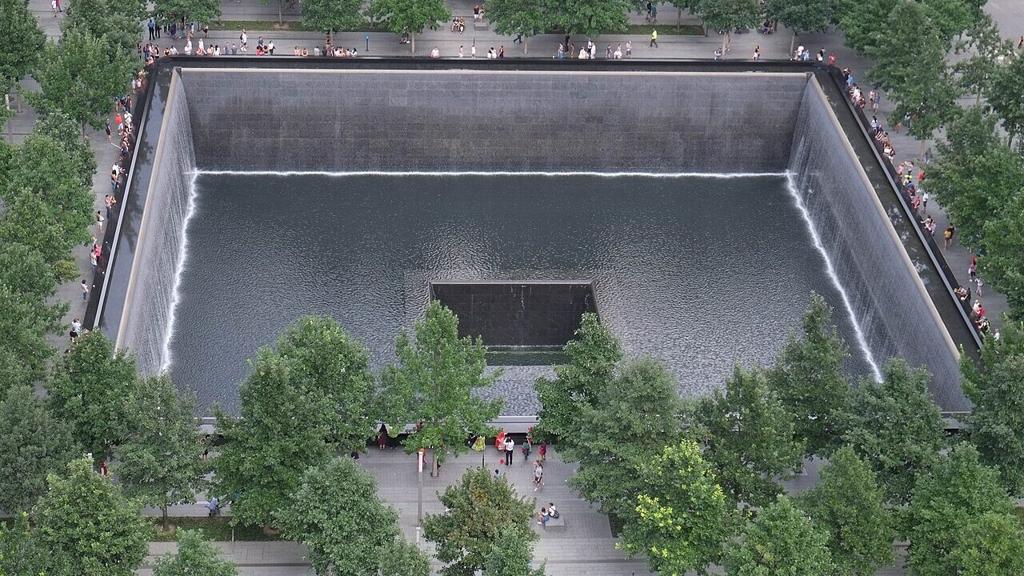
The debate reflects broader tensions over how major anniversaries of national tragedies are commemorated, and how media outlets balance competing narratives of victimhood and resilience. As the city marks the 25th anniversary at the 9/11 Memorial, questions over public remembrance and representation remain at the forefront.
The controversy underscores the complexity of public memory surrounding September 11. For some, the focus must remain on the nearly 3,000 people who lost their lives and the families and first responders who continue to bear the burden of loss. For others, the aftermath of the attacks—and the experiences of those who faced new forms of discrimination—are an essential part of the story that should not be overlooked.
As commemorations continue, the discussion over how to balance these perspectives is likely to persist, reflecting the evolving nature of national memory and the role of the press in shaping it.