A federal appeals court has dismissed the Justice Department's attempt to compel California officials to set aside thousands of mail-in ballots that the Trump administration alleged may have been cast by noncitizens. In a 2-1 decision, the U.S. Court of Appeals for the 9th Circuit ruled it lacked jurisdiction over the appeal and granted a motion by Los Angeles County's top election official to reject the DOJ lawsuit.
Explainer Securing America's Elections: Challenges, Reforms, and the Path Forward
The case centers on whether federal courts can intervene in state election processes when the federal government claims noncitizens have voted, raising questions about the balance of state and federal authority over election integrity. The dispute comes amid heightened scrutiny of mail-in voting and allegations of voter fraud, with federal officials seeking emergency intervention just weeks before the midterm elections. The 9th Circuit's ruling means California will continue processing ballots under its existing procedures, despite objections from the DOJ.
The Appeals Court Decision
Judges Mark Bennett and Gabriel Sanchez, writing for the majority, said the federal government failed to give the district court adequate opportunity to consider its request for temporary relief. The panel criticized the DOJ for waiting until less than three weeks before the midterm elections to file its lawsuit and for seeking a temporary restraining order only after California had begun processing ballots.
"The United States's claimed emergency, at least in part, is a self-constructed one."
— 9th Circuit Court, unsigned opinion
The court noted that part of the delay was due to the DOJ's own actions, including late recognition of California's election laws and the state's large-scale ballot processing schedule. The judges emphasized that existing state law governs the issuance and processing of ballots, and that the federal government did not clearly communicate its desired relief to the court in a timely manner.
Judge Patrick Bumatay dissented, siding with the federal government's argument that it has a vested interest in protecting the integrity of federal elections. Bumatay argued that the court should have considered the DOJ's claims more fully given the potential impact on federal election outcomes.
The majority opinion underscored the importance of respecting state authority over election administration, especially when federal intervention is sought on an emergency basis. The panel also noted that courts are generally reluctant to alter election procedures close to an election, citing the potential for confusion and disruption.
DOJ Claims and State Response
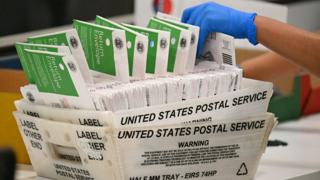
The Justice Department, under the Trump administration, alleged that thousands of mail-in ballots had been sent to noncitizens in California and sought to have those ballots set aside before they could be counted. The lawsuit targeted Los Angeles County election officials, arguing that federal intervention was necessary to prevent potential voter fraud.
California officials moved to dismiss the case, arguing that the DOJ's claims were speculative and that state law already provided safeguards against ineligible voting. The appeals court agreed with the state's position, finding that the timing and substance of the DOJ's request did not warrant emergency federal intervention.
State officials emphasized that California law requires verification of voter eligibility and that there are procedures in place to prevent noncitizens from voting. They argued that the DOJ's claims lacked concrete evidence and that federal courts should not override state election processes without clear justification.
The court's decision effectively upholds California's current mail-in ballot procedures, allowing the state to continue its established process for verifying and counting ballots. The ruling also reinforces the principle that states retain primary responsibility for administering elections, even in the face of federal concerns about voter eligibility.
Broader Context and Next Steps
The ruling comes as debates over election security and the role of federal oversight continue to divide lawmakers and the public. The 9th Circuit's decision leaves California's mail-in ballot procedures unchanged for the current election cycle, with no immediate path for the DOJ to challenge the ballots in question.
Supporters of the DOJ's effort argue that federal oversight is necessary to ensure only eligible citizens vote in federal elections. They contend that the federal government has a duty to intervene when there are credible allegations of noncitizen voting, especially in large states like California where the outcome could influence national results.
Critics, including California officials, maintain that the state's existing laws are sufficient and that late federal intervention would disrupt the orderly administration of elections. They argue that the timing of the DOJ's lawsuit, so close to the election, risked undermining public confidence in the electoral process and could have led to confusion among voters and election workers.
The Justice Department has not indicated whether it will seek further review of the decision, such as requesting a rehearing by the full 9th Circuit or appealing to the Supreme Court. For now, the court's ruling stands, and California will proceed with its established procedures for processing and counting mail-in ballots.
The case highlights ongoing tensions between state and federal authorities over election administration, particularly in the context of increased mail-in voting and persistent allegations of voter fraud. As election laws and procedures continue to evolve, similar disputes are likely to arise in other states, especially during closely contested election cycles.
The 9th Circuit's decision serves as a reminder of the judiciary's cautious approach to intervening in election administration, particularly when such intervention is sought on an emergency basis and could disrupt established processes. The outcome underscores the importance of timely legal challenges and clear communication between federal and state officials regarding election procedures and concerns about voter eligibility.