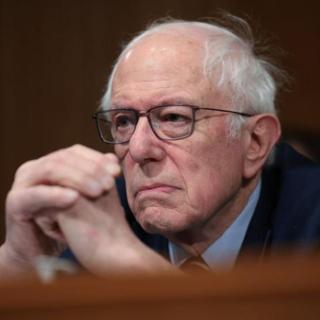
Senator Chris Van Hollen of Maryland is mounting a rare challenge to Senate Democratic leader Chuck Schumer, as Democrats' substantial midterm gains have triggered internal disputes over the party's future direction.
Explainer Health Care Realities: Cost, Ethics, and Reform Challenges in America
The party's victories have not unified Democrats on Capitol Hill, with Senate and House factions split over whether the results endorse current leadership or demand change.
Democrats secured control of both chambers in the midterms, gaining at least eight Senate seats and winning 256 House seats, but the leadership contests have exposed divisions between establishment figures and progressive newcomers.
Senate Leadership Race
Van Hollen announced his bid to unseat Schumer in the first contested race for Senate Democratic leader since 1994, with a closed-door vote set for December 1. As of Friday, Schumer had public support from 14 senators, while Van Hollen had five public endorsements but claimed his private backing was closer to 15. The winner will need 28 or 29 votes, depending on the outcome of an uncalled Senate race, according to Axios.
Schumer, who has led Senate Democrats since 2017, argues that the party's historic gains validate his leadership. New York Senator Kirsten Gillibrand, chair of the Senate Democrats' campaign arm, credited Schumer with the party's success, as did Senators Sheldon Whitehouse and Cory Booker. Arizona Senator Ruben Gallego compared Schumer's role to a winning sports manager, saying, "When the manager takes you to the World Series, you give him another contract."
"They called for a change from [President] Donald Trump’s disastrous policies—but even bigger than that, a change from the status quo that isn’t working for working people. It’s now on us to meet this moment, and to do that we need new leadership. This is not about any one person—it’s about answering the call of the American people. That is why I’m running for Senate Majority Leader."
— Chris Van Hollen, Senator from Maryland
Van Hollen and his supporters argue the results reflect a demand for new leadership and a break from Washington's status quo. He stated on ABC News, "This was not a Washington-orchestrated election around the country. This was the American people rising up against a lawless president and demanding change." Incoming senators Peggy Flanagan of Minnesota and Abdul El-Sayed of Michigan, both of whom defeated establishment-backed candidates, have endorsed Van Hollen's challenge.
House Speaker Prospects
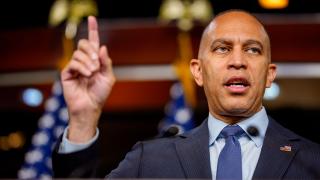
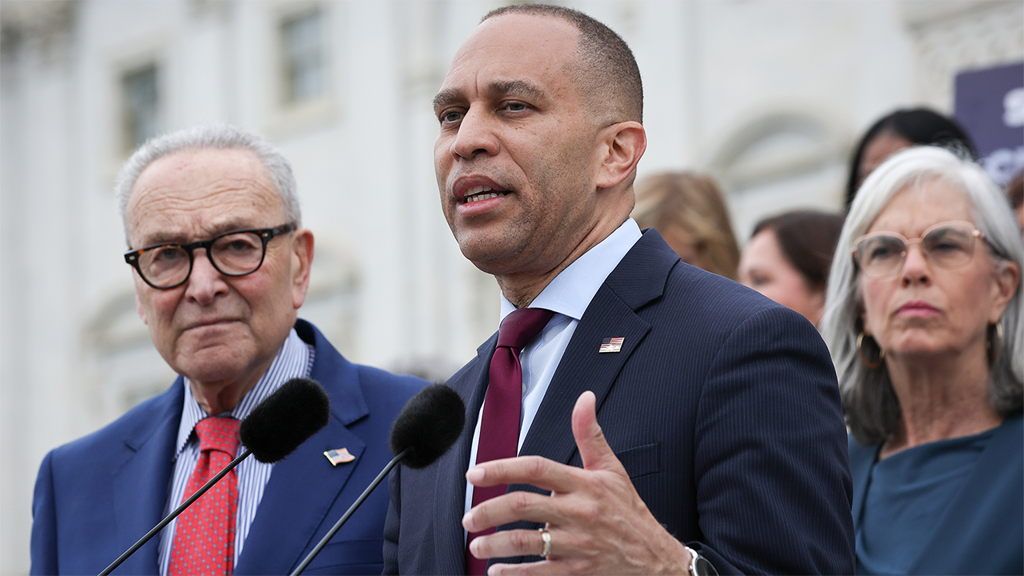
In the House, Minority Leader Hakeem Jeffries faces no challenger ahead of Wednesday's caucus vote and is expected to become the first black speaker. However, a bloc of incoming progressives and grassroots activists, including some aligned with the Democratic Socialists of America, are pressing Jeffries for policy commitments before pledging their support.
Despite the absence of a formal challenger, Jeffries has encountered resistance from the party's left flank. Rep.-elect Don Leonard of Ohio, who flipped a district previously won by President Trump, has demanded that Jeffries commit to enforcing laws like the Leahy Law and addressing issues such as Citizens United. Leonard claims senior House Democrats warned him that opposing Jeffries would make his "life a living hell."
House Democrats report a surge in calls urging opposition to Jeffries, with some offices receiving hundreds of messages. Jeffries has disputed these reports, telling Axios, "there's no indication that members of Congress have been overwhelmed by any calls." House Democratic Caucus Chair Pete Aguilar credited Jeffries with the party's electoral success and dismissed threats against dissenters, stating, "members can have ideas and interests, and they could have asks along the way. But the outcome is not in question."
A group of undecided incoming progressives, including Rep. Adam Hamawy of New Jersey, Rep. Melat Kiros of Colorado, and Rep. Claire Valdez of New York, have said they are not withholding votes but are seeking assurances. Hamawy told Fox News, "We're not going to rubber-stamp anything."
Jeffries has characterized the dissent as a sign of healthy debate within the caucus, saying, "We embrace the fact that the House of Representatives and the House Democratic Caucus is going to be a passionate place to debate ideas, but always focused on trying to find the highest common denominator, so we can make bold progress on behalf of the American people."
What Comes Next
Senate Democrats will choose their leader in a closed-door vote on December 1, while House Democrats are set to select their nominee for speaker on Wednesday. The full House will elect the speaker in January, with the winner needing 218 votes to secure the gavel.