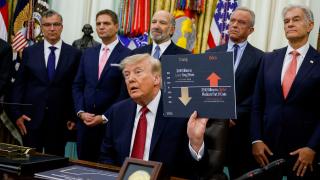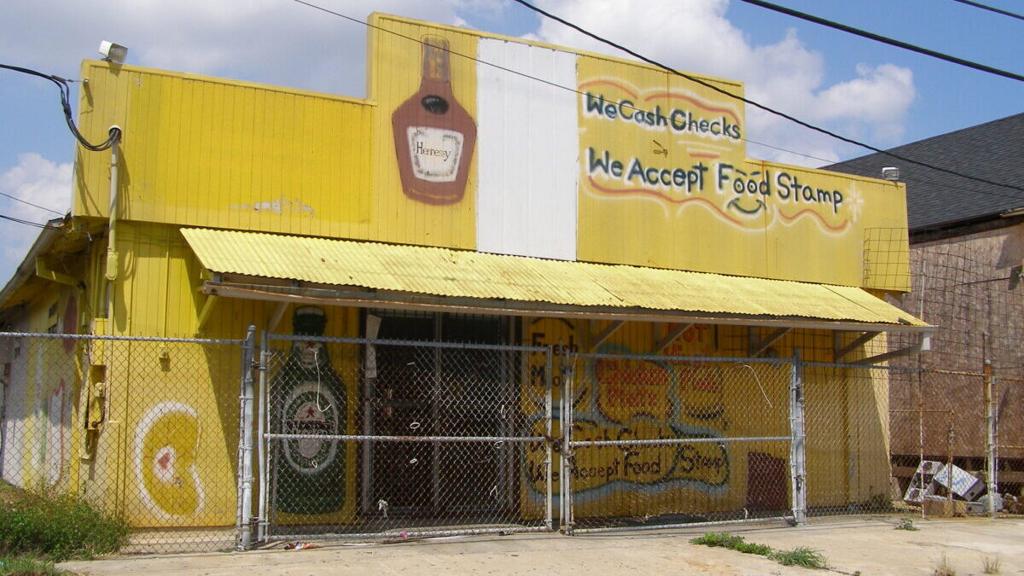
The Trump administration has introduced a proposed rule aimed at significantly narrowing eligibility for the Supplemental Nutrition Assistance Program (SNAP), the federal food stamp program. The U.S. Department of Agriculture (USDA) published the proposal, which seeks to end the use of 'broad-based categorical eligibility' by most states—a policy that has allowed some individuals with substantial assets, including lottery winners, to qualify for SNAP benefits.
The move is part of a long-running debate over how states interpret federal SNAP guidelines. Critics of the current system argue that it enables waste and abuse by allowing higher-asset households to receive benefits, while supporters say the policy reduces administrative burdens for low-income families and helps more people access food assistance.
The proposal comes after years of discussion about SNAP eligibility. During the Obama administration, categorical eligibility was expanded, allowing households to qualify for SNAP if they received any non-cash benefit or service from another welfare program—even something as minimal as an informational pamphlet—regardless of their assets. This expansion led to cases where individuals with significant lottery winnings or other assets continued to receive food stamps, as documented in media reports and cited by the USDA.
Details of the Proposed Rule
According to the USDA's official notice, the new rule would restrict categorical eligibility to households that receive cash welfare assistance, such as Temporary Assistance for Needy Families (TANF), and would exclude those who only receive minimal non-cash benefits. The agency argues that this change would better align SNAP with congressional intent and ensure that benefits are targeted to those most in need.
The USDA estimates that the rule would reduce federal SNAP spending by nearly $45 billion over five years, from fiscal years 2027 through 2031. State SNAP spending would also decrease by a net of $5.2 billion during the same period, according to the agency's projections. The rule's preamble notes that the original purpose of categorical eligibility, established in the 1980s, was to streamline paperwork for households already receiving cash welfare—not to expand SNAP to higher-income or high-asset individuals.
Under current policy, states can confer SNAP eligibility to households that receive any benefit from certain other low-income programs, regardless of the value or form of that benefit. The proposed rule would end this practice, requiring that only those receiving substantial cash assistance would qualify automatically, while others would have to meet standard SNAP income and asset tests.
Asset Loophole and Notable Cases
The current broad-based categorical eligibility policy has led to several high-profile cases where individuals with large lottery winnings remained eligible for SNAP. In one instance, a Detroit resident continued to receive monthly benefits after winning $1 million, stating, "I feel that it’s OK because I have no income … and I have bills to pay. I have two houses." Another Michigan recipient reportedly asked state officials if $850,000 in lottery winnings would affect his eligibility and was told he could remain on food stamps.
These examples have been cited by the USDA and supporters of the rule as evidence that the current system allows people with significant assets to access benefits intended for those in genuine need. Chris Jacobs, CEO of Juniper Research Group, commented, "Perhaps this is what the Obama administration meant when it wrote that 'adopting expanded categorical eligibility can promote asset accumulation among low-income families.'"
The USDA argues that closing this loophole would restore the program's original focus and prevent scarce taxpayer dollars from going to individuals with substantial assets. The agency maintains that the proposed changes would help ensure that SNAP resources are directed to the most vulnerable populations.
Policy Debate and Next Steps
Supporters of the rule, including some policy analysts and lawmakers, contend that it is a necessary step to reduce waste and ensure SNAP serves its intended population. They argue that tightening eligibility will help preserve the integrity of the program and direct benefits to those who truly need assistance.
However, critics of the change have argued that restricting categorical eligibility could increase administrative burdens for states and potentially exclude vulnerable households who may not have significant income but possess assets, such as a car or modest savings. They warn that the proposed rule could lead to more paperwork for both applicants and state agencies, potentially resulting in eligible families losing access to food assistance due to procedural hurdles.
Congress did not include similar reforms in last year’s budget reconciliation measure, leaving the administration to pursue the change through rulemaking. The USDA acknowledges that enacting the policy via regulation, rather than legislation, could increase the likelihood of legal challenges from advocacy groups or affected individuals.
The proposed rule is currently open for public comment, and its final adoption will depend on the outcome of the regulatory process and any potential court actions. The USDA has indicated that it will review all comments before issuing a final rule, and implementation would follow if the regulation survives any legal challenges.
The debate over SNAP eligibility and the use of categorical eligibility is likely to continue as policymakers, advocates, and the public weigh the balance between program integrity and access to food assistance for low-income Americans.