The Trump administration’s recent decision to temporarily waive tariffs on up to 300,000 metric tons of ground beef imports has ignited debate among U.S. cattle ranchers and industry observers. Many ranchers argue the move could undermine domestic producers at a time when they are already struggling with high costs and the challenge of rebuilding herds after years of contraction.
The core issue centers on whether the administration’s efforts to lower food prices for American consumers might come at the expense of ranchers’ livelihoods and the long-term stability of the U.S. beef supply. The policy, announced by President Trump and set to take effect on September 1, allows imported lean beef trimmings to be sold at prices up to 25% below the current market rate, according to a White House proclamation described by CBS News.
Administration officials say the measure is designed to address surging beef prices, which have climbed to nearly $7 a pound, and to provide relief at the grocery store for families facing rising costs. The White House has emphasized that the action includes “key safeguards to maximize cost savings while protecting American ranchers from foreign imports and giving space for American ranchers to grow the domestic herd.”
Ranchers’ Concerns Over Imports
Despite these assurances, many U.S. cattle ranchers have voiced strong opposition to the plan. They warn that the influx of cheaper imported beef could further depress the prices they receive for their cattle, making it even harder to recover from years of declining herd sizes and rising production costs. Some ranchers argue that the arrival of foreign beef will undercut their ability to rebuild herds, a process already hampered by high feed and input costs.
According to CBS News, the price of beef has increased by roughly 63 cents per pound over the past year and nearly $3 since 2021. This has intensified pressure on both producers and consumers. Ranchers say that while consumers are feeling the pinch at the checkout line, producers are also squeezed by higher expenses and lower margins, making the industry’s recovery more difficult.
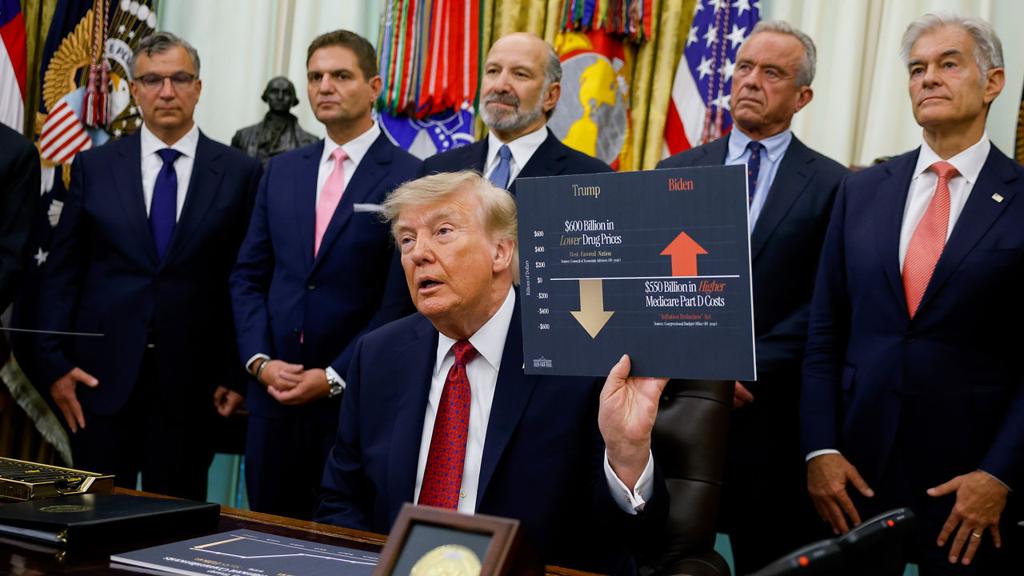
The administration’s move comes as affordability remains a top concern for voters, with gas, groceries, and rent dominating economic anxieties, according to Pew Research. In response to these pressures, the White House has also announced initiatives on oil and drug pricing, aiming to address the broader cost-of-living challenges facing Americans.
"An economy is not a machine. It’s more like an ecosystem: vast, adaptive, and complex. No official, however well-briefed, can specify in advance precisely when a policy will bite, whether it will bite as intended, or what else, unbidden, will be biting at the same time."
— The Daily Signal
Economic Complexity and Policy Limits
Analysts and commentators caution that the effects of such policy changes are difficult to predict and may not align with election timelines or immediate consumer expectations. The Daily Signal notes that economic outcomes depend on a range of unpredictable factors, from international conflicts affecting oil markets to agricultural disruptions like screwworm outbreaks. Such outbreaks can devastate cattle herds and are addressed by ongoing federal efforts to prevent livestock disease to prevent livestock disease.
The article argues that while policymakers can remove barriers and simplify rules to allow supply to adjust, they cannot guarantee immediate results. It warns against government interventions such as wage, price, and rent controls, citing Venezuela’s experience as a cautionary tale of market distortions and shortages resulting from such policies. Instead, analysts suggest that allowing market forces to operate, while providing targeted support, is more likely to yield sustainable outcomes for both producers and consumers.
Balancing Consumer Relief and Producer Stability
The White House maintains that the tariff waiver is a temporary measure intended to balance consumer relief with the need to support American ranchers. However, the administration has not specified how long the waiver will remain in effect or what additional steps may be taken to address ranchers’ concerns if market conditions do not improve.
Some ranchers and industry groups continue to call for policies that prioritize domestic production and long-term herd recovery over short-term price relief. They argue that without a focus on rebuilding the U.S. cattle herd and supporting domestic producers, temporary measures could have lasting negative effects on the industry’s health and the nation’s food security.
The debate underscores the challenge of managing a complex, $28 trillion economy where policy levers often have delayed and unpredictable effects. As the administration moves forward with its beef import plan, both consumers and producers will be watching closely to see how the market responds in the coming months. The outcome may influence not only grocery prices but also the future of the American cattle industry and the broader agricultural sector.