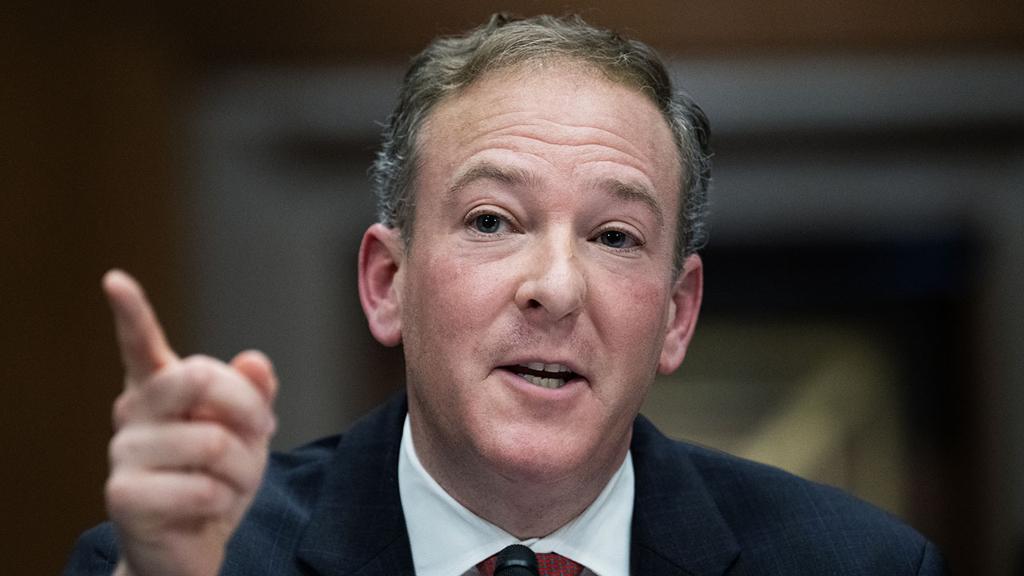
The Environmental Protection Agency, led by Administrator Lee Zeldin, has adopted a new policy treating certain advanced plastic recycling processes as manufacturing rather than waste disposal, a move intended to boost recycling innovation and reduce regulatory barriers for industry.
The change could reshape how plastic waste is managed in the United States, with implications for investment, permitting, and the growth of advanced recycling technologies.
The agency's new approach comes as the U.S. faces mounting challenges from plastic pollution, with millions of tons entering landfills and ecosystems each year. The EPA says the policy is part of a broader effort to modernize recycling infrastructure and promote a circular economy.
New EPA Policy on Advanced Recycling
Under the revised policy, the EPA has determined that facilities using advanced recycling technologies, such as pyrolysis, to convert used plastics into new raw materials can be regulated as manufacturing operations rather than solid waste disposal sites. The agency cited its authority under a 2011 rule on "Identification of Non-Hazardous Secondary Materials that are Solid Waste" to make site-specific determinations for these facilities.
Ross Eisenberg, president of America’s Plastic Makers, praised the move, stating that pyrolysis "can convert used plastics that are difficult to recycle back into their molecular building blocks to make new products." He called the EPA's changes "a key step toward improving recycling and spurring innovation in the United States while retaining high environmental standards."
"By using heat in no or low-oxygen environments, pyrolysis can convert used plastics that are difficult to recycle back into their molecular building blocks to make new products."
— Ross Eisenberg, president of America’s Plastic Makers
The EPA said that if a facility produces a salable product, it generally does not consider the process to be solid waste management. This aligns with recommendations from the American Chemistry Council, which has advocated for advanced recycling facilities to be regulated as manufacturers.
Regulatory Changes and Industry Impact
In March, the EPA proposed revising the definition of "municipal waste combustion unit" under the Clean Air Act to clarify that rules for other solid waste incinerators do not apply to pyrolysis units. The agency accepted public comments on the proposed rule until May 4 and is currently reviewing them, according to a statement provided to the Daily Signal.
The EPA also highlighted a proposed rule to streamline permitting for incinerators used in wildfire prevention and disaster recovery, aiming to cut red tape for state, local, and tribal governments. Administrator Zeldin said the proposal would "end decades of confusion" and enable faster cleanup after natural disasters, reducing risks to communities. Read the EPA's announcement.
In addition, the agency is working on a federally required battery recycling framework, supporting grants for recycling infrastructure, and researching ways to remove impurities from recycled materials for industrial use.
Broader Push for Resource Recovery
The EPA's actions are part of a larger strategy to prioritize resource recovery and transform waste into valuable materials. The agency has pointed to efforts to facilitate cleanup of an estimated 48 million abandoned scrap tires by making it easier to use recovered tires as fuel, as well as ongoing support for recycling programs in states and tribal communities.
When asked about the volume of waste generated in the U.S., the EPA acknowledged the challenge for local governments but emphasized the opportunity to "transform waste into valuable materials, reduce environmental impacts, and support a more circular economy."
The agency said it is committed to working with states, tribes, local governments, and industry to "modernize recycling infrastructure, remove regulatory barriers, and advance technologies to support safe recovery of materials (including critical minerals), economic growth, national security, and environmental protection."
Industry and Political Response
The advanced recycling policy has drawn support from industry groups, who argue it will encourage investment and innovation. The EPA has framed the changes as a bipartisan opportunity to reduce waste by making it economically valuable, rather than simply regulating it. The agency did not address potential concerns from environmental groups in its statements.
The EPA is currently reviewing public comments on its proposed regulatory changes and has not announced a final decision on the revised definition for pyrolysis units.