The Supreme Court on Monday cleared the way for the Department of Homeland Security (DHS) to proceed with creating a state-by-state list of eligible voters by cross-referencing citizenship data, Social Security records, and other federal sources. The 6-3 decision focused on whether states had legal standing to challenge the executive order authorizing the list, rather than addressing the substance of the order itself.
Explainer Understanding the Supreme Court’s Impact on Law and Liberty
The ruling has intensified the ongoing national debate over the federal government’s role in determining voter eligibility and the potential effects on mail-in ballot access for noncitizens. As election integrity and ballot access remain contentious topics, the decision is being closely watched by both major political parties ahead of the upcoming election cycle.
DHS Voter List and State Use
Under the Supreme Court’s decision, DHS is now authorized to compile a comprehensive list of eligible voters using federal citizenship and Social Security data. According to Jason Snead, executive director of the Honest Elections Project, the initiative is intended to prevent the federal government from inadvertently sending mail-in ballots to noncitizens.
"The DHS can determine who is eligible to vote because the federal government does not want to be complicit in fraud through sending mail-in ballots to noncitizens."
— Jason Snead, executive director, Honest Elections Project
Once compiled, the DHS list will be distributed to states. However, the administration has not mandated that states use the list to update or police their own voter rolls. State officials retain the discretion to decide whether or not to incorporate the federal data into their election processes. This approach leaves the ultimate decision on voter roll management in the hands of state governments, reflecting the ongoing tension between federal oversight and state autonomy in election administration.
The move has sparked debate among election officials and advocacy groups. Supporters argue that the list will help ensure only eligible citizens receive mail-in ballots, while critics warn it could lead to eligible voters being excluded if the data is incomplete or inaccurate. The lack of a federal mandate for states to use the list adds another layer of complexity, as implementation may vary widely across the country.
USPS Rule and Ballot Tracking
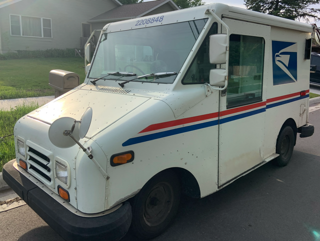
In a related development, the U.S. Postal Service (USPS) finalized a new rule last week, which is scheduled for publication in the Federal Register on Wednesday. The rule requires election officials to upload the names and addresses of mail-in ballot recipients to a USPS portal before ballots are sent out. Ballots that are not entered into the portal would be rejected by the Postal Service. In addition, USPS will implement standardized envelopes with barcodes to enable tracking of ballots throughout the mailing process.
The new USPS requirements are intended to improve the security and traceability of mail-in ballots, but they have also drawn criticism from some election lawyers and advocacy groups. Democratic election lawyer Marc Elias expressed concern on his website, arguing that the Supreme Court’s decision would result in “a list of Trump-approved eligible voters to be sent to the states” and that the USPS would “refuse to carry or deliver mail-in ballots to anyone not on a preapproved list of voters submitted by the states to the USPS in advance of the election.”
Supporters of the rule contend that the changes will help prevent ballots from being sent to ineligible recipients and reduce the risk of fraud. Opponents, however, warn that the new requirements could create barriers for eligible voters, particularly those whose information may not be accurately reflected in federal databases or who experience administrative errors.
Ongoing Legal Challenges
The Supreme Court’s decision follows a series of legal challenges to both the executive order and the USPS rule. U.S. District Judge Indira Talwani of Massachusetts previously issued an injunction against the executive order in a case brought by 23 states. In a separate lawsuit filed by the American Civil Liberties Union and other organizations, Judge Talwani also imposed an injunction on the USPS rule.
Donald Palmer, former chairman of the Election Assistance Commission and now a senior legal fellow at The Heritage Foundation, said the Supreme Court’s ruling may lead to these injunctions being lifted or appealed. “There is legally a path for the executive order to be implemented before the election,” Palmer said, though he cautioned that further litigation and potentially conflicting lower court rulings are likely as the policy moves forward.
The ongoing legal battles highlight the complexity of balancing election security with voter access. As the executive order and USPS rule face continued scrutiny in the courts, the timeline for their full implementation remains uncertain. Legal experts anticipate additional court actions and possible appeals as both supporters and opponents seek to shape the outcome before the next election.
Debate Over Federal and Judicial Authority
The Supreme Court’s decision has also sparked debate over the respective roles of federal agencies, state governments, and the judiciary in setting national election policy. Election lawyer Cleta Mitchell, chairman of the Election Integrity Network at the Conservative Partnership Institute, argued that the ruling on standing limits the ability of plaintiffs and district court judges to block national policy.
Mitchell stated, “At some point, the Supreme Court should step in with the tyrants in black robes and let them know they are not the president, they are not the legislature, and they are not the state election board.”
Supporters of the executive order have not publicly addressed the criticism from opponents, but legal observers expect further court action as the policy is implemented. The Supreme Court’s decision leaves open the possibility of additional challenges as states, advocacy groups, and federal agencies navigate the evolving landscape of election law and administration.