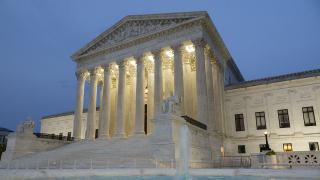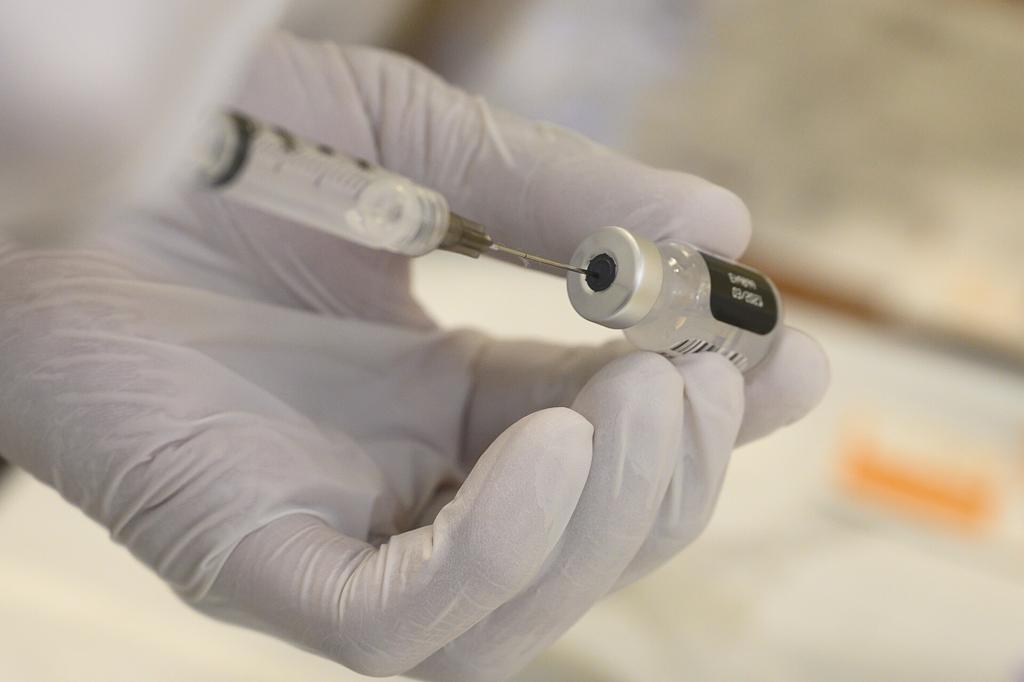
The Supreme Court is currently considering whether to hear arguments in Boysen v. PeaceHealth, a case brought by Oregon health care workers who are challenging Covid-19 vaccine mandates imposed by their employer and the state. The case, which was officially docketed on May 13, 2026, could give the justices an opportunity to clarify how lower courts should interpret Supreme Court precedent on vaccine mandates, especially the landmark 1905 decision in Jacobson v. Massachusetts. Docket information
Explainer Understanding the Supreme Court’s Impact on Law and Liberty
At the heart of the case is the question of whether lower courts have misapplied Supreme Court precedent to uphold broad Covid-19 vaccine requirements, and whether the high court should set new limits on state and employer authority over individual medical decisions. The dispute comes after several years of legal battles over Covid vaccine mandates, with the Supreme Court repeatedly declining to take up similar cases. The outcome of Boysen could have significant implications for future public health policies and the balance between individual rights and government power during health emergencies.
The Boysen Lawsuit and Lower Court Rulings
The plaintiffs in the case are former employees of PeaceHealth, a nonprofit health system. They filed suit in August 2023 against PeaceHealth, former Oregon Governor Kate Brown, and former Oregon Health Authority Director Patrick Allen after being terminated for refusing to comply with Covid vaccine mandates. The plaintiffs argued that the mandates violated their 14th Amendment rights, including bodily autonomy and due process. They also claimed the requirements amounted to unconstitutional conditions on employment and federally funded benefits. In addition, the plaintiffs asserted that the mandates, which included investigational Covid drugs, were preempted by the Supremacy Clause, challenging the rational basis argument typically used for FDA-approved vaccines. Petition for certiorari
U.S. District Judge Ann Aiken dismissed the case in August 2024. The Ninth Circuit Court of Appeals affirmed the dismissal in December 2025, following its earlier rejection of a similar challenge brought by Washington State health care workers. With no further recourse in the lower courts, the Boysen plaintiffs filed a petition for certiorari with the Supreme Court on May 4, 2026, seeking review of the lower courts’ decisions.
Arguments Over Jacobson v. Massachusetts
Central to the plaintiffs’ argument is the interpretation of Jacobson v. Massachusetts, the 1905 Supreme Court decision that upheld a smallpox vaccine mandate. John Vecchione, senior litigation counsel for the New Civil Liberties Alliance (NCLA), contends that lower courts have misinterpreted Jacobson by applying its rationale to Covid-19 vaccine mandates. Vecchione argues that the smallpox vaccine was a “sterilizing vaccine” that prevented transmission, and that Jacobson should not be used to justify mandates for Covid vaccines, which do not prevent spread in the same way.
"The panic will happen again and mandates will happen again, and everybody should want to control their own medical decisions when it doesn’t affect anyone else. The court should clarify that is the law as it now stands."
— John Vecchione, NCLA senior litigation counsel
Vecchione and the NCLA maintain that subsequent Supreme Court decisions have recognized a right to refuse unwanted medical treatment. They argue that courts should apply a more rigorous standard than rational basis review to vaccine mandates. According to the plaintiffs, the Ninth Circuit’s approach allows the government to impose mandates even when the vaccine is only for the recipient’s benefit, and could force individuals with natural immunity to be vaccinated against their will.
Supreme Court’s Response and Next Steps
The Supreme Court has extended the deadline for PeaceHealth and other respondents to file their response to the Boysen petition to September 8, 2026, according to the official docket. It remains unclear when the justices will decide whether to grant certiorari and take up the case for full argument.
In recent terms, the Supreme Court has declined to hear several cases challenging Covid vaccine mandates, including Doe v. Hochul, which involved New York health care workers. In that case, only Justices Clarence Thomas, Samuel Alito, and Neil Gorsuch supported granting review. Should the Court agree to hear Boysen, the positions of Chief Justice John Roberts and Justices Brett Kavanaugh and Amy Coney Barrett—who have previously shown caution about intervening in vaccine mandate disputes—are expected to be pivotal in determining the outcome.
As of now, respondents, including PeaceHealth and state officials, have not yet filed substantive responses to the Boysen petition. The Supreme Court’s decision on whether to hear the case is pending, and legal observers are watching closely to see if the justices will use this case to clarify the constitutional limits of vaccine mandates in the wake of the Covid-19 pandemic.