Gun Control Battles: Navigating Rights, Regulations, and the Courts
Explore the complex landscape of gun control in America, where constitutional rights and regulation collide amid evolving laws and court challenges.
Additional reporting by April Clark, Oliver Brown
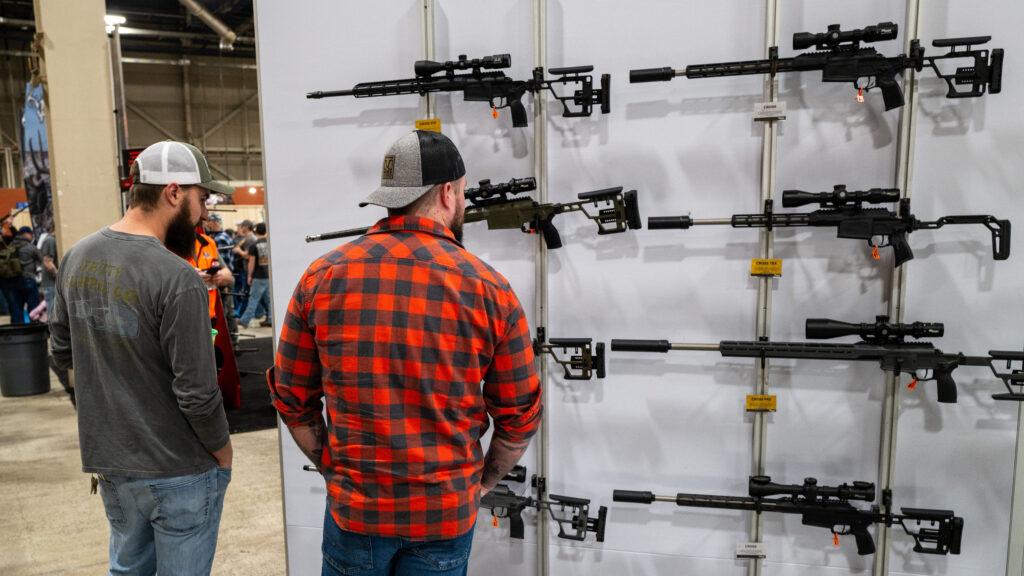
Gun control remains one of the most divisive issues in American public life, intertwining constitutional rights, public safety concerns, and complex legal battles. The debate revolves largely around the Second Amendment, which protects an individual's right to keep and bear arms, and the extent to which the government can regulate firearms without infringing upon this fundamental liberty. Recent developments, including federal investigations and legislative efforts in various states, underscore the contentious and evolving nature of firearm regulation in the United States.
Heightened public attention on gun violence has driven progressive lawmaking agendas in numerous states, while conservative voices emphasize protecting constitutional freedoms and prioritizing law and order. The legal landscape is also marked by intense courtroom confrontations that challenge the scope and constitutionality of state and local restrictions. This explainer delves into the current dynamics shaping gun control discourse, offering insight into recent federal actions, state legislative initiatives, and judiciary roles in defining the balance between public safety and individual rights.
Federal Investigations Into Permit Delays and Enforcement Practices
"Real gun control reform must respect constitutional rights while enforcing law and order, not erode either under political pressure."
In October, the U.S. Department of Justice (DOJ) launched investigations into two Connecticut cities—Middletown and Waterbury—over concerns that local police departments were unreasonably delaying firearm permit issuance. The DOJ’s focus is whether these permit backlogs effectively violate residents’ constitutional rights by denying timely access to lawful firearm ownership and carry privileges. This action highlights how federal oversight can come into play when state or local governments potentially obstruct legal gun possession through administrative inefficiencies or overreach.
The investigation is significant because it signals the federal government’s commitment to enforcing Second Amendment protections against bureaucratic gatekeeping. While proponents of stricter gun controls argue for cautious permit processes to ensure public safety, critics counter that lengthy delays erode lawful citizens’ ability to exercise their constitutional rights. This dispute frames an ongoing debate over striking the right balance between regulatory oversight and constitutional guarantees.
The DOJ’s probe into Connecticut’s permitting has parallels to other legal skirmishes involving gun permit procedures nationwide, including vigorous defense of timely permit approvals under the right-to-carry doctrine. The department’s involvement also raises questions about equal access and potential discriminatory practices in permit administration—issues that surface frequently in broader gun debates. For additional reporting on this, readers can reference our coverage of the DOJ investigations in Connecticut.
Historically, local agencies have exercised broad discretion over how permits are processed, sometimes resulting in unexplained delays or denials. Federal intervention emphasizes that constitutional rights cannot be undermined by administrative inertia or intentional obstruction. The DOJ’s action is also a warning shot to other jurisdictions that overly restrictive or slow processes will face scrutiny, reaffirming that Second Amendment rights are subject to judicial and executive protection against infringement by government officials.
State Legislative Efforts: The Texas Example and Beyond
State legislatures remain at the forefront of gun control policymaking, often adopting measures that reflect local political and cultural climates. For instance, Texas Democrats have recently pre-filed more than 1,200 bills ahead of the next legislative session, with 23 focused directly on guns. These proposals include the introduction of red flag laws—technically branded as "extreme risk protective orders"—which allow courts to temporarily remove firearms from individuals judged to pose a risk to themselves or others.
The Texas legislature’s drive also includes raising the minimum age for purchasing certain firearms to 21, an effort mirroring similar moves in other states aimed at limiting youth access to guns. Advocates argue these measures could reduce gun violence and suicides, while opponents caution that they establish dangerous precedents for government intrusion into individual rights and question the effectiveness of such restrictions in preventing violent crime.
Red flag laws remain a contentious point; supporters assert these temporary gun removals can prevent tragedies, while critics highlight due process concerns and risks of misuse. The Texas proposals reflect broader national debates, where the balance between pre-emptive public safety and protecting constitutional rights is fiercely contested.
This legislative push in Texas exemplifies how states stand as battlegrounds where gun control policies are aggressively proposed, debated, and either enacted or blocked based largely on regional political leanings. Conservative lawmakers often push back against these measures by underscoring the importance of personal responsibility and the role of lawful gun ownership in self-defense, citing studies that underscore defensive gun use as a vital factor in community safety. For further insight, readers may explore our article on Texas Democrats pre-filing gun bills.
Beyond Texas, numerous states continue to experiment with firearm regulations, from age limits to mandatory training and concealed carry provisions. These differences underscore America's federal system, where local values shape policy in ways the national government often cannot replicate, making state-level contests pivotal to the national gun rights debate.
Judicial Battles Over Assault Weapons and Magazine Restrictions
The courts continue to be a central arena in settling disputes about gun control, particularly challenges to state and local bans on assault weapons and high-capacity magazines. Recently, the federal government itself has taken sides, with the Justice Department urging the Supreme Court to overturn certain state and local restrictions — particularly bans on AR-15-style rifles and other semiautomatic firearms — arguing these laws violate the Second Amendment's original protection of individual firearm possession.
The Supreme Court has agreed to hear major cases concerning assault weapons bans, a move with profound implications for gun policy nationwide. These cases test the limits of regulatory authority, pitting public safety claims from gun control advocates against constitutional safeguards emphasized by gun rights proponents.
Lower courts have shown mixed outcomes. For example, the D.C. appeals court recently ruled its gun magazine restriction unconstitutional, underscoring judicial skepticism toward expansive gun bans. Meanwhile, some states have enacted waiting periods and other requirements that have survived judicial scrutiny, notably Maine’s 72-hour waiting period for gun purchases, which the Supreme Court declined to hear challenges against. Our readers can find detailed coverage of these incidents in our articles about the Supreme Court hearing assault weapon cases and the D.C. magazine restriction ruling.
These court battles demonstrate how the judiciary is the ultimate arbiter of gun control’s constitutionality, influencing what laws states may impose while affirming citizens’ fundamental rights. The judicial scrutiny particularly emphasizes that bans must be carefully tailored and cannot broadly outlaw firearms that millions of law-abiding Americans legally own and use for self-defense, hunting, and sport. The robust court contestation further reflects concerns about potential judicial overreach on either side, making the judiciary a critical battleground for the future of Second Amendment protections.
The Role of Data and Misconceptions in Gun Control Debates
Misleading or selective use of data about gun violence and defensive gun use has long clouded the debate. Notably, the Centers for Disease Control and Prevention (CDC) under the Trump administration was compelled to revise and restore previously suppressed data on how often firearms are used defensively by law-abiding citizens. These efforts revealed that firearms are employed millions of times yearly in self-defense, a factor often overlooked or dismissed by gun control advocates.
Understanding the accurate role of guns in self-protection is critical to any honest assessment of gun laws. Studies show defensive gun use can deter crime and prevent victimization, serving public safety goals just as legal gun restrictions do. Conservative perspectives emphasize that many proposed restrictions fail to adequately weigh this defensive value, instead focusing narrowly on incidents of misuse or criminal violence.
Balancing the risks and benefits of firearm possession requires transparent and comprehensive data, something policymakers must keep at the forefront amid emotionally charged rhetoric. For a critical take on claims about child deaths and gun control, see our piece on gun control claims about child deaths challenged. This balance is crucial because overemphasizing gun harms without considering lawful defensive uses risks crafting laws that undermine citizens’ ability to protect themselves.
The Broader Context: Immigration, Law Enforcement, and Gun Policies
Gun control debates increasingly intersect with issues like immigration and policing. Virginia’s recent controversies about resuming gun background checks amid immigration-related tensions highlight this complexity. Some argue that immigration policies and gun control enforcement should be coordinated to address public safety comprehensively, while critics warn this can lead to overcriminalization or politicization of firearm rights.
Similarly, the DOJ’s active role in monitoring state compliance with firearm permitting demonstrates federal interest in ensuring lawful access to guns while safeguarding against abuses. Petitions and lawsuits frequently arise challenging newly enacted bans or procedures, such as those in Virginia, where lawsuits have been filed contesting the state’s assault firearms ban on constitutional grounds. Our reporting includes extensive coverage of the DOJ suing Virginia over assault firearms ban and the ongoing lawsuits filed against Virginia’s ban.
These overlapping concerns attest to how gun policy cannot be dissected in isolation but must be considered alongside broader law enforcement and social policy issues. Immigration enforcement often dovetails with background checks and gun purchases, complicating regulation. The interplay between federal and state jurisdictions further intensifies debates as authorities seek consistent but constitutionally sound policies.
Gun control continues to be a frontline battleground defining America’s legal, cultural, and political landscape. The interplay between federal oversight, state legislative experiments, judicial rulings, empirical data, and overlapping policy domains creates an ever-evolving environment that demands careful, constitutionally grounded scrutiny. As these dynamics evolve, conservative defenders of the Second Amendment remain vigilant in ensuring that reforms respect individual rights while promoting law and order.
Frequently asked questions
What is the current federal position on state gun permitting delays?
The Department of Justice investigates local delays that violate constitutional rights, ensuring timely access to firearm permits.
What are red flag laws and why are they controversial?
Red flag laws permit courts to temporarily remove guns from individuals deemed dangerous but raise concerns about due process and rights infringement.
How do courts generally view assault weapon bans?
Judicial rulings vary, but the Supreme Court’s willingness to hear cases shows a critical review of such bans under the Second Amendment.
Why is defensive gun use data important in gun control debates?
It provides insight into how firearms help prevent crimes, balancing arguments about gun-related harms and benefits.
How do state-level gun laws interact with federal policies?
States craft laws based on local considerations, but federal law and courts can limit or overturn these to protect constitutional rights.
What role does immigration policy play in gun regulation?
Immigration intersects with gun control primarily in law enforcement coordination and background check processes, often sparking debate.
Timeline of our coverage
- 2026-11-11 — Texas Democrats Pre-File Over 1,200 Bills, Targeting Abortion, Guns, and DEI Policies
- 2026-10-24 — DOJ Investigates Connecticut Cities Over Delays in Firearm Permits
- 2026-10-21 — Supreme Court Declines to Hear Challenge to Maine's 72-Hour Gun Purchase Waiting Period
- 2026-10-09 — CDC Restores and Revises Defensive Gun Use Data After Trump Administration Review
- 2026-09-06 — Justice Department Urges Supreme Court to Overturn State and Local AR-15 Bans
- 2026-08-07 — Federal Judge Strikes Down Key Provisions of 1934 Gun Law After Tax Repeal
- 2026-08-05 — Supreme Court to Hear Major Cases on AR-15 and Semiautomatic Rifle Bans
- 2026-07-01 — DOJ Sues Virginia Over Assault Firearms Ban
- 2026-07-01 — Supreme Court to Hear Challenges to State Assault Weapons Bans
- 2026-05-28 — Virginia Governor Resumes Gun Background Checks Amid Controversy Over Immigration Policy
- 2026-05-15 — Lawsuits Filed Against Virginia's New Assault Firearms Ban
- 2026-03-06 — Appeals Court Rules D.C.'s Gun Magazine Restriction Is Unconstitutional
- 2026-01-27 — Virginia Democrats Advance Gun Control Bill Amid Supreme Court Considerations
- 2026-01-13 — Virginia Democrats Prepare Legislative Agenda on Abortion, Gun Control, and Redistricting
- 2025-12-17 — Terror Attack at Bondi Beach Sparks Debate on Immigration Policies
- 2025-11-12 — Gun Control Claims About Child Deaths Challenged
The Bottom Line
- Gun control legislation directly impacts Americans' constitutional Second Amendment rights.
- Federal investigations ensure local authorities do not infringe on lawful firearm ownership.
- State laws test the balance between public safety and individual freedoms in diverse communities.
- Supreme Court rulings on assault weapons bans will set nationwide precedents.



Sources
- Justice Department Opens Investigation into Alleged Firearm Permitting Abuses in Two Connecticut Municipalities
- Texas House Bill 218: Relating to Extreme Risk Protective Orders
- New York State Rifle & Pistol Association Inc. v. Bruen
- U.S. Supreme Court
- Ctinsider.com: Doj Waterbury Middletown Ct Gun Permits 22491046
- Thelibertytribune.com: Doj Investigates Connecticut Cities Over Delays In Firearm Permits (Oct 24, 2026)
- 2alawalerts.com: Doj Investigates Connecticut Firearm Permit Delays
- Freedomwire.news: Texas Democrats Gun Bills Prefiling
- Wisevoter.com: Doj Investigates Gun Permit Practices (Oct 28, 2026)
- Axios.com: Democrats Gop Gun Bill Discharge Petition (Jun 13, 2023)