Georgia Election Reforms: Security, Controversies, and the Road Ahead
A comprehensive look at Georgia's evolving election system, from security reforms and legal challenges to ongoing debates over voter access and election integrity.
Additional reporting by Liam Walker
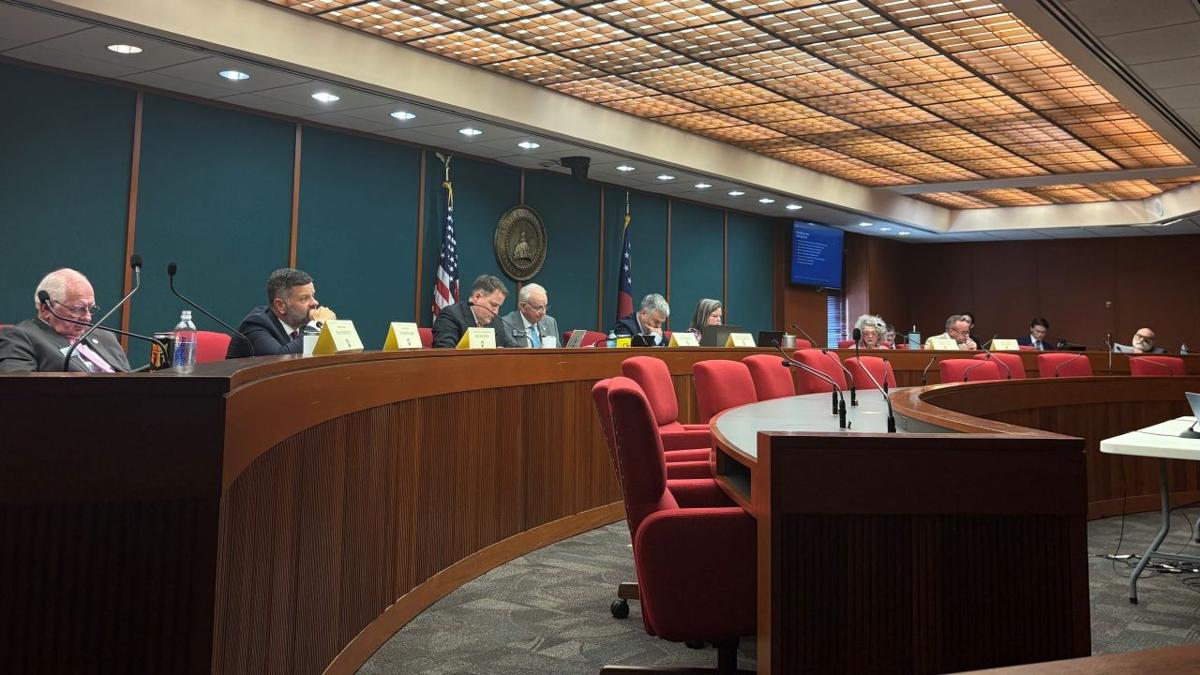
Georgia's election system has been a focal point of national attention due to its pivotal role in recent federal and state elections. Over the past several years, the Peach State has undertaken numerous reforms aimed at securing the ballot, modernizing infrastructure, and responding to critics across the political spectrum. These measures arise against a backdrop of persistent controversies, legal battles, and federal investigations that underscore the challenges of administering elections in a deeply divided political environment.
While election integrity advocates praise Georgia's advances in reducing vulnerabilities, concerns remain among voting rights proponents about the potential impact on accessibility, particularly for minority communities. This tension between security and access encapsulates the broader national debate surrounding election laws and democratic participation. Understanding Georgia’s complex election landscape requires looking at its legislative framework, technological upgrades, legal disputes, and the political context shaping reforms and controversies.
Legislative Reforms and Voting Security Measures
"Real election integrity demands balancing robust security with preserving lawful voter access—not sacrificing one for the other."
Georgia's legislative efforts to overhaul its election system accelerated notably after the highly contested 2020 presidential election. The centerpiece of these actions was the Election Integrity Act of 2021, which implemented strict provisions including photo ID requirements for absentee ballots, limits and location controls on ballot drop boxes, and curbs on early voting hours in certain contexts. These provisions aimed to eliminate risks of fraud and increase public confidence in election outcomes.
Notably, despite vigorous legal challenges arguing these measures disproportionately affect minority voters, key elements of the Election Integrity Act were upheld by federal courts as lawful and constitutionally sound. The state's commitment to tightening electoral safeguards reflects a broader conservative stance prioritizing ballot security over unfettered voting access. Georgia also embarked on a robust voter roll maintenance program, agreeing to remove nearly 192,000 inactive voters prior to upcoming elections in an effort to combat false registrations and outdated records. These moves, while welcomed by election integrity advocates, have drawn criticism over potential voter suppression.
Technological Modernization and Election Infrastructure
A major modernization milestone arrived with the statewide deployment of the Georgia Registered Voter Information System (GARViS) in early 2023. This cloud-based platform consolidates over 12 million voter records and replaces older, fragmented systems previously used across the 159 counties. GARViS is designed to improve data security, streamline voter check-ins, and reduce clerical errors, representing one of the nation's more ambitious technological upgrades in election management.
The introduction of GARViS follows concerns highlighted by a Princeton study identifying ballot privacy vulnerabilities within Georgia’s prior voting machines, emphasizing the state's need to secure voter anonymity and election integrity [Princeton study on ballot privacy]. Complementing GARViS, Georgia has also explored innovations such as ballot-on-demand printing and hand-marked ballots to further bolster security and accessibility – discussions that remain under active legislative consideration [lawmakers weighing ballots, hand-marked ballots debates].
However, these technology-driven reforms are not without controversy. Critics argue that increased reliance on digital systems could create new vulnerabilities, expose sensitive voter data, and introduce opportunities for manipulation. Proponents counter that the new infrastructure significantly reduces risks posed by outdated machines and inconsistent administration, reinforcing the integrity of election outcomes.
Legal Challenges and Ongoing Investigations
Georgia has been no stranger to litigation stemming from its election reforms and 2020 results. From appeals up to the federal courts to local controversies, many aspects of Georgia’s voting system have faced scrutiny and challenges. For example, the state's voter roll purges and absentee ballot rules prompted lawsuits alleging discriminatory effects, though courts largely upheld the legislature’s right to enact such policies.
Moreover, the FBI has intensified investigations around Fulton County’s election administration during the 2020 cycle, probing accusations of irregularities and unlawful handling of ballots [FBI investigation on Fulton]. Among the related revelations was Fulton County’s acknowledgement of improperly certified early ballots and the mysterious disappearance of 'zero tapes' from voting machines, raising serious questions about election accountability and transparency [Fulton County ballot certification issues, missing zero tapes]. These issues have fueled skepticism among conservatives regarding the fairness of vote counting in key areas.
The state’s electoral oversight bodies themselves have faced criticism. The Georgia election board was reportedly denied proper access to vote observation rooms during sensitive periods, sparking concerns about transparency [transparency concerns]. Meanwhile, watchdog agencies scrutinized judicial candidates over allegedly improper conduct during Supreme Court elections, illustrating the pervasive tension involved in Georgia's election administration from multiple fronts.
Redistricting and Political Implications
Following the 2020 Census, Georgia once again became a battleground for redistricting disputes. Federal judges approved new congressional and legislative maps that maintain Republican dominance across the General Assembly while simultaneously adding some majority-Black districts, presumably to comply with the Voting Rights Act requirements. This delicate balance illustrates the political chess game involved in shaping districts to reflect population changes yet retain partisan advantages.
While some view these maps as a triumph of fair representation, others criticize them as gerrymandering efforts that dilute minority voices or entrench incumbents. Georgia's Republican legislature defends the map as both legally sound and reflective of the state's evolving demographics. For conservatives, maintaining control over legislative lines ensures that election reforms and integrity initiatives remain enacted without being overturned by new majorities.
The high stakes in Georgia’s electoral future were underscored by the recent Republican wins in the Georgia Supreme Court elections, positioning the GOP for continued influence over election-related legal rulings. This judicial outlook plays a critical role in shaping how current and future election laws are interpreted and enforced.
Voter Integrity Concerns and Electoral Accountability
Beyond reforms and redistricting, ongoing investigations continue to expose troubling incidents that fuel nationwide calls for election accountability. Cases such as a noncitizen admitting to multiple votes in Georgia and a suspended lawmaker pleading guilty to unrelated fraud scandals reinforce perception challenges related to election security [noncitizen voting case, lawmaker fraud plea]. Preserving voter integrity is central to reassuring the public the system is fair and trustworthy.
Efforts by Georgia’s Secretary of State to launch a bipartisan election integrity task force further demonstrate the administration’s focus on collaboration and transparency amid political polarization [integrity task force launched]. Yet, allegations of voter solicitation scandals and irregularities in high-profile counties suggest ongoing vulnerabilities that must be addressed to ensure electoral confidence.
This delicate balance of improving access while stamping out potential fraud requires constant vigilance and honest dialogue, especially when the stakes include controlling the outcome of presidential and influential statewide races.
Balancing Access with Security: A Conservative Perspective
The central tension in Georgia’s election reforms is between protecting the integrity of the vote and ensuring that no eligible voter is disenfranchised. Conservative voices argue that without robust safeguards such as photo ID requirements and maintenance of clean voter rolls, the risk of fraud dilutes legitimate American votes and undermines the very foundation of our democratic process.
While critics paint these measures as suppression, it is critical from a conservative viewpoint to recognize that true election security builds faith in the system and encourages participation by safeguarding lawful votes. Georgia’s experience reveals that it is possible—and necessary—to make voting convenient and accessible, such as through ballot-on-demand systems and modernized platforms like GARViS, without compromising the integrity of the ballot box.
Maintaining strict oversight, transparency, and accountability addresses vulnerabilities that fuel distrust and prevents abuse, safeguarding elections for all citizens regardless of political affiliation.
Looking Ahead: Key Challenges and Developments
Georgia faces several critical developments on the election horizon. The debate over no-excuse mail-in voting remains unresolved after the election board’s recent request that the state legislature end such policies to better control absentee voting integrity [no-excuse mail-in voting].
Ongoing legislative discussions on enhancing ballot security and accessibility, combined with technological upgrades and potential new regulations, will shape the state's election landscape in coming years. The outcome of federal probes and local investigations will also impact public trust and may lead to further reforms or legal changes.
Ultimately, Georgia’s election saga reflects the perennial challenge of securing free and fair elections in a dynamic political environment. The state’s experience underscores the need for clear rules, vigilant enforcement, and bipartisan cooperation to uphold the integrity of one of democracy’s most fundamental processes.
Frequently asked questions
What is the Georgia Registered Voter Information System (GARViS)?
GARViS is a cloud-based election platform launched in 2023 to modernize voter registration and check-in processes, improving security and efficiency across all counties.
What are the key provisions of Georgia's Election Integrity Act of 2021?
The Act requires photo ID for absentee voting, limits ballot drop box usage, and imposes other security measures to reduce fraud risks; many provisions have been upheld by courts.
Has Georgia faced any election-related investigations?
Yes. Federal investigations focus on Fulton County's 2020 election administration, including improperly certified ballots and missing security tapes.
How has Georgia addressed concerns about voter roll accuracy?
Georgia regularly removes inactive voters—such as nearly 192,000 in 2023—to maintain accurate and secure voter rolls.
Are there ongoing legislative efforts to change voting systems in Georgia?
Yes. Lawmakers are considering options for hand-marked ballots, ballot-on-demand printing, and other reforms aimed at balancing security and voter accessibility.
What controversies have surrounded Georgia Supreme Court elections?
Watchdog groups accused some Democrat-backed candidates of violating judicial rules, while recent Republican wins have shifted court balances.
How do Georgia’s reforms affect minority voters?
Critics argue some laws disproportionately impact minority voter access, but supporters contend the reforms ensure secure elections for all citizens.
Timeline of our coverage
- 2026-09-25 — Georgia House Candidate Faces Scrutiny Over Voting in Two States
- 2026-09-21 — Georgia Lawmakers Weigh Hand-Marked Ballots Amid Election Security Concerns
- 2026-09-05 — Georgia Lawmakers Weigh Ballot-on-Demand, Accessibility in Voting System Overhaul
- 2026-08-14 — Georgia Secretary of State Launches Bipartisan Election Integrity Task Force
- 2026-08-13 — Online Gambling Firms Pour Money Into Kansas and Georgia State Elections
- 2026-08-11 — Georgia Committee Begins Work on New Voting System Standards
- 2026-08-06 — Princeton Study Finds Georgia Ballot Privacy Flaw Exposes Voter Choices
- 2026-08-01 — Suspended Georgia Lawmaker Sharon Henderson Pleads Guilty to Pandemic Unemployment Fraud
- 2026-07-15 — Georgia Probes Voter Solicitation Scandal as FBI Intensifies Fulton County Election Review
- 2026-05-20 — Republican Candidates Win Georgia Supreme Court Elections
- 2026-05-18 — Georgia Watchdog Agency Finds Democrat-Backed Supreme Court Candidates Violated Judicial Rules
- 2026-05-18 — Georgia Election Board Denied Access to Vote Observation Room Amid Transparency Concerns
- 2026-02-11 — FBI Search Raises Questions on Election Accountability in Georgia
- 2026-02-10 — FBI Investigates Fulton County's 2020 Election Administration Amid Claims of Irregularities
- 2026-01-30 — Fulton County Election Board Unable to Locate Missing 'Zero Tapes' from 2020 Election
- 2025-12-23 — Fulton County Acknowledges Unlawful Certification of Early Ballots in 2020 Election
- 2025-12-22 — Noncitizen Admits to Voting Multiple Times in Georgia Elections
- 2025-12-17 — Fulton County Admits 315,000 Votes Lacked Proper Certification in 2020 Election
- 2025-10-30 — GA Election Board Asks State To End No-Excuse Mail-In Voting
The Bottom Line
- Georgia's election reforms set a national precedent on how to address election security concerns amid intense political scrutiny.
- The state's experience illustrates the ongoing tension between tightening voter access rules and protecting minority voting rights.
- Legal battles and federal investigations in Georgia highlight the challenges of ensuring transparent and accountable elections.
- Technological upgrades like GARViS represent necessary modernization critical to preventing vulnerabilities in election administration.


Sources
- FEC
- Gpb.org: State Unveils New Voter Information System (Mar 13, 2023)
- Gpb.org: Georgias Controversial 2021 Voting Law Overhaul Survives Preliminary Legal (Oct 13, 2023)
- Georgiarecorder.com: U S House Republicans Pass Overhaul Of Federal Elections System Out Of Committee (Jul 13, 2023)
- Axios.com: Georgia Republican Congressional Map Upheld (Dec 28, 2023)
- Axios.com: Georgia Redistricting Maps Congress (Dec 04, 2023)
- Axios.com: New Georgia Laws In Effect July 1 2023 (Jul 03, 2023)