Wisconsin Elections: Understanding Recent Changes and Challenges
A deep dive into the dynamics of Wisconsin elections, key events, and the implications of voting reforms and challenges.
Additional reporting by Liam Walker, Samira Brooks
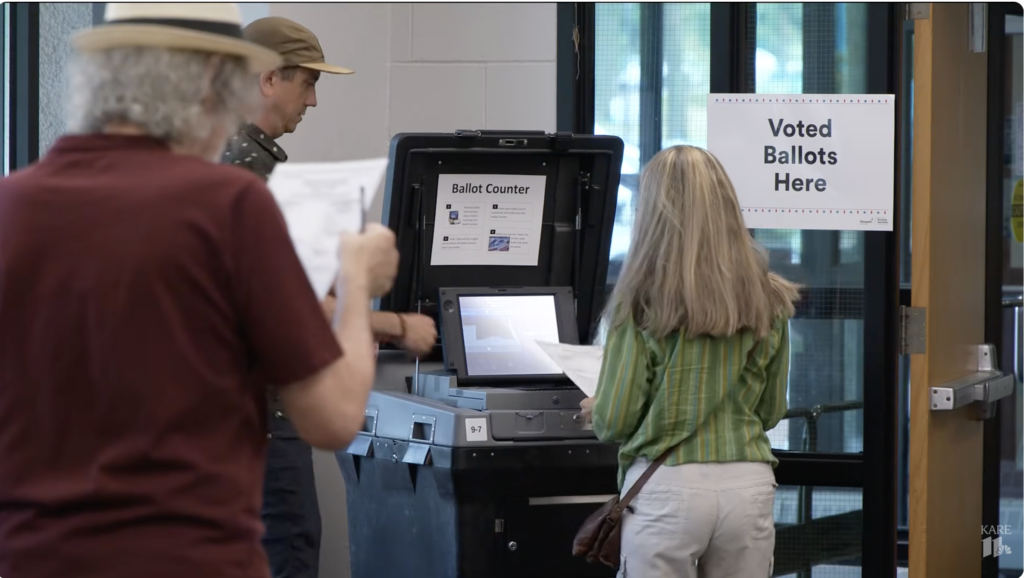
Wisconsin has been a focal point in recent discussions surrounding election integrity, political shifts, and reformative challenges. The state's political landscape has witnessed significant transformations, most notably through its judicial elections and ongoing debates over voting practices. Understanding these nuances is essential for grasping how Wisconsin may shape the broader narrative of American politics and electoral reforms.
The recent elections, particularly the heated race for the Wisconsin Supreme Court, have set historical records for campaign spending and ignited fierce discussions about the future of conservative values in the state. With decisions made by its Supreme Court having far-reaching implications, every election is not just about choosing leaders but deciding on the very principles that underpin the state’s judicial undertakings.
This overview will explore key aspects of recent elections in Wisconsin, providing context to understand both immediate implications and broader trends in the state's electoral practices.
"Wisconsin's elections exemplify the tug-of-war between reforming access and ensuring integrity in our democratic processes."
The 2023 Wisconsin Supreme Court Race
The Wisconsin Supreme Court election on April 4, 2023, marked a pivotal moment for the state's judiciary. The election saw Milwaukee County Circuit Judge Janet Protasiewicz defeat former Justice Daniel Kelly, which shifted the ideological balance of the court toward a liberal majority. Protasiewicz garnered 55.43% of the vote compared to Kelly's 44.39%. Both candidates engaged in an intense campaign bolstered by a staggering $45 million in spending, establishing this race as the most expensive judicial election in U.S. history at that point.
The flood of campaign cash raised concerns among conservative observers, who feared that the rising influence of money in judicial races might undermine impartiality. Protasiewicz's victory could mean a significant shift in how laws are interpreted and what rights are prioritized in the state. Expect a more progressive court that may favor advancements in personal liberties and environmental protections, while potentially pushing back against initiatives championed by conservative lawmakers.
As the new court begins hearing cases, the ramifications of this election extend beyond judicial functions and into legislative debates. This change could lead to expanded voter rights and potentially reshape crucial areas like judicial procedures and election regulations.
Voter Registration and Election Integrity
Election integrity remains a critical issue in Wisconsin, particularly with heightened scrutiny over voter registration processes. Findings released from comprehensive audits of prior elections indicated that human error, not machine malfunction, was responsible for any discrepancies identified. This has spurred calls for improved accountability among election officials and has raised questions about existing practices. With Wisconsin election officials facing criticism, the state’s voter registration compliance has been scrutinized more than ever.
Efforts to ensure election integrity also manifest in the sensitive topic of voter registration verification. A recent judge's ruling mandated the state’s Election Commission to review the citizenship of registered voters, amplifying concerns over maintaining an accurate voter roll. Many advocates argue that such measures are necessary to prevent potential fraud and to uphold the integrity of the electoral process, while opponents warn about the potential disenfranchisement of eligible voters.
Conversations around integrity and access must navigate the balance between security and inclusion in the democratic process, which is becoming increasingly vital as the political climate intensifies. As Wisconsin continues to refine its approach to voter registration, stakeholders are pressing for transparency and equity in its administrative practices.
Proposed Voting Reforms and Ballot Access
Amidst the ongoing debates surrounding voter registration and election integrity, proposals for voting reforms are gaining traction in Wisconsin. Many conservatives advocate for implementing measures that enhance accountability and transparency in elections, including stricter ID laws and limits on ballot drop boxes. The push for such reforms aims to ensure public confidence in electoral outcomes and mitigate claims of fraud, which have permeated discussions in the broader context of national elections.
Recently, groups within Wisconsin have proposed plans to enforce the Voting Rights Amendment, addressing the perceived need for more comprehensive protections against voter suppression. Proponents argue that this plan will help secure voting access for all citizens, especially marginalized communities, while some critics dismiss it as unnecessary and potentially ripe for misuse.
The complexity of these reforms is underscored by their potential implications on ballot access, frequently weighing the desire for broadened electoral participation against fears of undermining security. As these discussions unfold, they will help define the parameters of future elections and influence public engagement in the democratic process.
Challenges and Future Implications
The challenges Wisconsin faces regarding its electoral system are indicative of broader trends observed nationwide. The aftermath of recent elections has demonstrated that political polarization can substantially affect public trust in electoral integrity. Reports regarding ballot errors linked to funding from private organizations labeled as 'Zuckbucks' have surfaced, leading to distrust among voters about election management.
Additionally, the controversies surrounding election challenges, such as the changing dynamics of Wisconsin's congressional maps and various lawsuits filed against election officials, further contribute to an atmosphere of suspicion. As tensions rise, resolving these issues is imperative not only for Wisconsin's immediate political landscape but also for maintaining the foundational principles of democracy in the context of current distrust.
As we assess the implications of recent electoral changes and continue exploring pathways to improving election integrity, it is essential for lawmakers, advocates, and citizens alike to remain engaged in dialogue about the future. The interconnectedness of governance and civic trust necessitates an ongoing commitment to transparency, verification, and the protection of all citizens’ right to vote.
Conclusion and Moving Forward
In sum, the recent elections in Wisconsin offer a multifaceted view of the intersection between policy, integrity, and civic engagement. The ongoing efforts to reform the electoral process may bring forth changes that redefine voting in the state, but these measures must be navigated carefully to preserve the rights of all citizens. As stakeholders work toward a path of accountability and fairness, the outcome of these discussions will likely resonate well beyond Wisconsin’s borders.
Wisconsin's evolving political landscape underscores how vital it is for states across the nation to learn from each other's experiences. The interplay of judicial rulings, election reforms, and voter engagement initiatives will continue to shape the American political ecosystem, highlighting the crucial relationship between governance and public trust.
Frequently asked questions
What major change occurred in the Wisconsin Supreme Court in 2023?
Janet Protasiewicz won the election, creating a liberal majority.
What is the significance of the recent election audits?
They confirmed election integrity, attributing errors to human mistakes.
How has public trust in elections been affected?
Concerns over potential fraud have raised questions about election integrity.
What reforms are being proposed to improve voting access?
Various groups seek to enhance voter protection and streamline registration processes.
How do challenges in Wisconsin's election system reflect national issues?
They showcase a national struggle with balancing security and access in voting.
Timeline of our coverage
- 2026-09-03 — DOJ to Deploy 1,000 Election Monitors Nationwide Amid Scrutiny of Local Practices
- 2026-07-01 — Wisconsin AG Seeks Protective Order in Alternate Electors Case
- 2026-06-22 — Rebecca Cooke Secures Endorsement from Wisconsin Teachers Union Amid Controversy
- 2026-06-17 — Ballot Challenges in Wisconsin and Alaska Raise Concerns Over Election Integrity
- 2026-05-04 — Wisconsin Brewpub Owner Kirk Bangstad Announces Gubernatorial Run Amid Controversy
- 2026-04-07 — 'Zuckbucks' Cities' Ballot Errors Disrupt Wisconsin Election Day
- 2026-04-06 — Chris Taylor Campaigns for Wisconsin Supreme Court Seat Amid Controversy
- 2026-04-01 — Judges Dismiss Lawsuit Challenging Wisconsin's Congressional Maps
- 2026-03-12 — Wisconsin Supreme Court to Consider Appeal in Controversial Election Lawyer Case
- 2026-02-16 — Wisconsin School District Faces Backlash Over Transgender Bathroom Policy
- 2026-01-30 — Wisconsin Town Wins Legal Battle Over Paper Ballots Amid Federal Scrutiny
- 2025-12-16 — Judge Rules Wisconsin Case Against Trump Allies Will Proceed to Trial
- 2025-12-16 — Wisconsin Supreme Court Upholds Tax Exemption for Catholic Charity
- 2025-12-12 — Senator Requests DOJ Investigation into Judge Accused of Misconduct in Trump Case
- 2025-12-10 — Wisconsin Judge Accused of Misconduct in Trump Electors Case
- 2025-12-09 — Wisconsin Judge Accused of Misconduct in Case Against Trump Attorneys
- 2025-11-13 — WI's Leftist Supreme Court Justices Have A Recusal Problem
- 2025-11-06 — Wisconsin Supreme Court Justice Refuses to Recuse After Criticizing Defendant
- 2025-10-27 — Wisconsin Schools Investigate Over 200 Cases of Teacher Misconduct
- 2025-10-24 — Wisconsin Supreme Court to Decide on Tax Exemption for Catholic Charities Following SCOTUS Ruling
The Bottom Line
- Wisconsin's elections impact national discourse on voting rights and integrity.
- Recent reforms may influence how elections are conducted elsewhere in the U.S.
- Public engagement in these issues highlights the importance of trust in democratic processes.
- Judicial changes can redefine legal interpretations that affect citizens' rights.