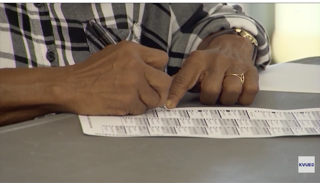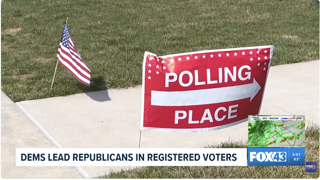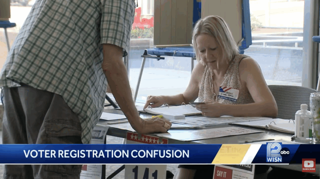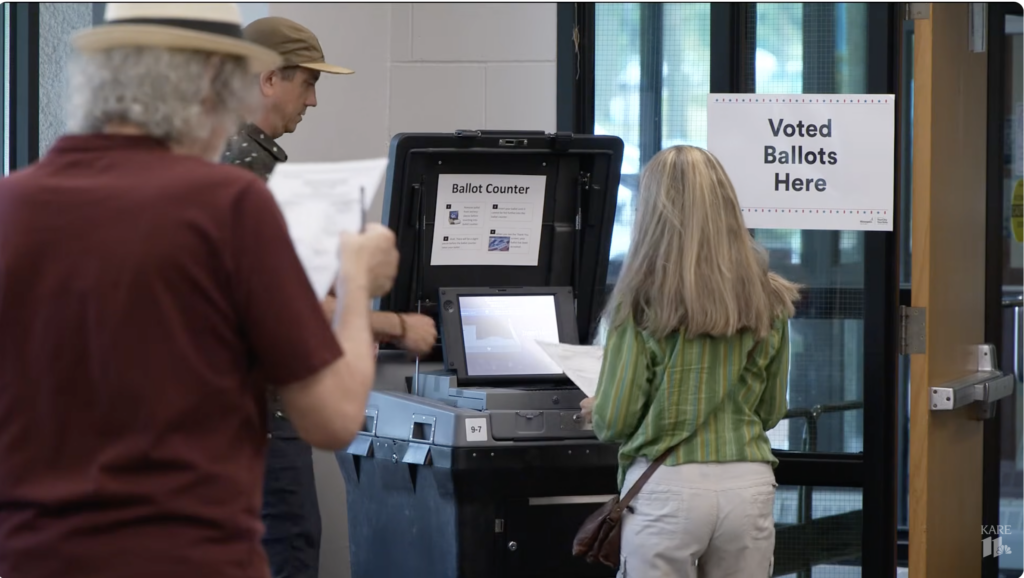
The Department of Justice will deploy 1,000 federal election monitors to polling sites across the United States during the upcoming November elections, a move officials say could mark the largest monitoring effort in the agency’s history.
Explainer Wisconsin Elections: Understanding Recent Changes and Challenges
The initiative comes as federal and state officials clash over the scope of federal oversight in local election administration, with critics arguing the monitors are either essential for transparency or an overreach into state affairs.
The DOJ’s Civil Rights Division, led by Assistant Attorney General Harmeet Dhillon, has already sent monitors to primary elections in 15 jurisdictions across six states, including Arizona, Massachusetts, Michigan, Minnesota, New Hampshire, and Virginia. According to a DOJ official, more than 80 monitors have covered over 200 polling locations in eight states during this primary season. In Massachusetts alone, twelve monitors were present at polling sites in Boston, New Bedford, and Lowell during the recent primary, the department confirmed in a press release.
DOJ’s Expanded Monitoring Plans
Dhillon announced last month that her office will send 1,000 monitors to polling places nationwide in November. The DOJ has not released a full list of targeted locations, but officials indicated that the effort will focus on jurisdictions with histories of election irregularities. The department’s Civil Rights Division is responsible for enforcing federal statutes such as the Voting Rights Act, National Voter Registration Act, and Help America Vote Act, aiming to ensure eligible voters are not disenfranchised and that votes are not negated by ineligible ballots.
"The more eyes we have on elections, in my opinion, the better because the more people will be confident in those elections. We all want that as Americans."
— Harmeet Dhillon, Assistant Attorney General for Civil Rights
The DOJ has a long history of deploying monitors under both Democratic and Republican administrations. In the 2022 midterm elections, nearly 300 monitors were sent to polling sites nationwide, and in the 2024 presidential election, 714 DOJ personnel monitored compliance with federal voting laws in 86 jurisdictions across 27 states.
Local Disputes and Criticism
The expansion of federal monitoring has drawn criticism from some state and local officials, particularly in areas where recent election administration issues have surfaced. In Milwaukee, Wisconsin, a technical error delayed the release of primary election results, and past elections have seen restricted public access to ballot counting, including the use of curtains and blocked windows at central count facilities. The Wisconsin Elections Commission has faced criticism for not intervening in these practices.
Wisconsin Governor Tony Evers, a Democrat, dismissed recent federal investigations into election fraud as politically motivated, stating, “I think it’s another thing that Trump is doing to make it look like there’s all sorts of problems that are not problems in Wisconsin. And frankly, he needs to stay out of it because voting is a state issue and not a federal issue.”
Former Civil Rights Division head Kristen Clarke, now NAACP general counsel, argued there is “no statutory justification for sending federal election monitors inside polls,” and urged local officials to resist DOJ involvement. Clarke said, “I am confident that members of the public are not calling the Justice Department for help and that they are not wanted or needed inside polling sites across this country.”
Support and Ongoing Federal Efforts
Some local activists and election officials have welcomed the monitors. Scot Mussi, president of the Arizona Free Enterprise Club, said federal monitors are generally seen as a net positive in Arizona, especially in counties with histories of irregularities. “Usually, the monitors are welcome here and a net positive. There’s usually no opposition from the general public,” Mussi said.
The Department of Homeland Security has also launched a coordinated investigative surge targeting potential election fraud in several states, including California, Connecticut, Georgia, Missouri, Nevada, New York, Pennsylvania, Washington, and Wisconsin. A DHS spokesperson stated, “HSI is committed to restoring integrity to our election systems and ensuring that American citizens and only American citizens are electing American leaders.”
Assistant Attorney General Dhillon emphasized the department’s ongoing commitment: “Election monitoring is an ongoing priority for this office. Nondiscriminatory monitoring ensures all elections remain free, fair, and accessible to all.”