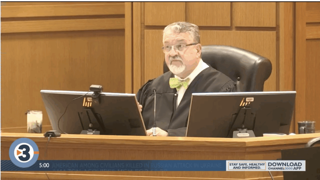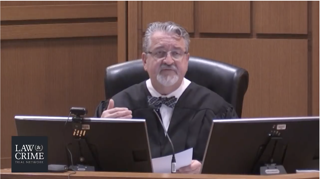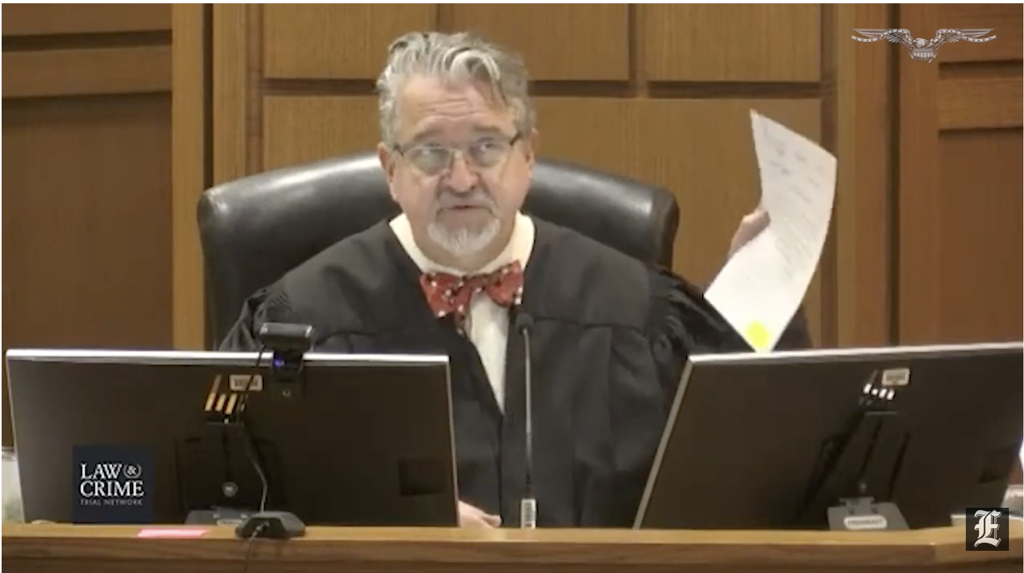
Wisconsin Senator Ron Johnson has formally requested the Department of Justice (DOJ) to investigate alleged judicial misconduct in a criminal case involving attorneys from the 2020 Trump campaign. In a letter addressed to Attorney General Pam Bondi, Johnson expressed concerns about the actions of Dane County Circuit Court Judge John Hyland, who is presiding over the case against Trump campaign lawyers Jim Troupis and Kenneth Chesebro.
The core issue revolves around accusations that Judge Hyland received unauthorized assistance in crafting a ruling that rejected motions to dismiss the charges against the defendants. Johnson's request highlights the tensions surrounding the prosecution of individuals involved in the Trump campaign's efforts to contest the 2020 election results in Wisconsin.
The case has drawn significant attention as it involves allegations of forgery and fraud against Troupis, Chesebro, and Trump campaign aide Mike Roman. They face 11 felony counts related to their alleged use of "fake electors" to challenge Joe Biden's narrow victory in Wisconsin, a state that has been a focal point of election integrity debates. Critics argue that the charges are politically motivated, while supporters maintain they are necessary to uphold the law.
Allegations of Judicial Misconduct
Court filings suggest that Judge Hyland may have collaborated with retired Judge Frank Remington, who reportedly harbors animosity toward Troupis. Troupis's attorney, Joe Bugni, claims that a linguistic analysis indicates that Remington ghostwrote a significant court order signed by Hyland. Bugni stated, "It is highly likely from a linguistic perspective that the [August 22 Court order] was written by Judge Remington, despite the fact that it is signed by Judge Hyland."
If proven true, these allegations could represent a serious breach of judicial ethics and raise questions about the impartiality of the court. Bugni's motion to disqualify Hyland from the case cites a personal conflict stemming from Remington's past relationship with Troupis, asserting that the retired judge was "not a fan" of Troupis during their time on the bench together.
In response to the allegations, Judge Hyland has maintained that he acted independently, stating, "The Court is satisfied that no person other than the assigned staff attorney and I had a hand in drafting or editing the decision which this Court signed and entered." He also expressed confidence in his ability to remain fair and impartial.
Political Implications
Johnson's letter to Bondi reflects broader concerns among some Republican lawmakers regarding the prosecution of Trump allies. He noted, "It is difficult to understand how Judge Hyland can make an impartial decision about Mr. Bugni’s allegations when he is directly implicated." This sentiment echoes a growing narrative among critics of the prosecution, who argue that the charges are part of a politically charged effort to undermine Trump and his associates.
The case has also drawn scrutiny from legal experts, who point out that the use of alternate electors has historical precedent in contested elections. Supporters of the prosecution argue that the actions of Troupis and his colleagues crossed legal boundaries, while critics contend that the charges lack sufficient legal grounding.
Next Steps in the Case
As the legal proceedings continue, Judge Hyland has rejected requests to reschedule a preliminary hearing set for Monday in Dane County Court. The outcome of this hearing could further shape the trajectory of the case and the ongoing debate over election integrity in Wisconsin.
The DOJ has not publicly responded to Johnson's request for an investigation, and it remains unclear whether any action will be taken. As the situation develops, both sides of the political spectrum are closely watching the implications of this case on the broader landscape of election law and judicial conduct.