Social Media’s Double-Edged Sword: Navigating Influence, Addiction, and Regulation
Explore the complex landscape of social media’s impact on society, detailing platform responsibility, addiction, censorship, and legal battles from a conservative perspective.
Additional reporting by Liam Walker, Alex Monroe
Social media platforms have irrevocably changed how Americans communicate, consume news, interact politically, and engage culturally over the past twenty years. From humble beginnings as tools intended largely for social connection, platforms like Facebook, Instagram, Twitter, and YouTube now command unparalleled influence over public discourse, political mobilization, and even mental health outcomes. Their algorithms, designed to maximize engagement, have transformed from benign facilitators of conversation into powerful arbiters of what content gains visibility and what voices reach critical mass. This immense power prompts urgent questions about platform accountability, the consequences of addictive design features, corporate and governmental censorship, and how conservatives fare in this digital landscape.
At the core of these debates lies a fundamental tension between individual liberty and the social responsibility of both private companies and regulators. Conservatives broadly champion free expression and resist government or tech giants’ efforts to police speech, warning against creeping censorship and ideological suppression. Yet the undeniable social harms linked to these technologies—ranging from youth addiction and mental health decline to divisive political polarization and misinformation—demand sober acknowledgment. This explainer dives deep into social media’s multifaceted role in American life, parsing legal battles, regulatory efforts, cultural flashpoints, and ideological disputes shaping the future of digital communication.
The Rising Tide of Social Media Addiction and Legal Pushback
"Social media’s vast power demands responsible reform—not government censorship—to protect freedom and safety simultaneously."
Recent years have witnessed a profound reckoning with the addictive nature of social media platforms, particularly the ways their design exploits psychological vulnerabilities of youth. In one of the most consequential legal developments at the intersection of technology and consumer protection, Meta Platforms—the parent company of Facebook and Instagram—agreed in August 2026 to a colossal $17.1 billion settlement with a coalition of 51 state attorneys general. This settlement resolved claims that Meta intentionally engineered features such as infinite scrolling, personalized video feeds, and targeted push notifications to hook children and teens, inducing compulsive use patterns tied to anxiety, depression, and physical ailments like sleep deprivation. This groundbreaking agreement is widely regarded as one of the largest consumer protection settlements in history and sets a precedent for holding Big Tech accountable for mental health harms inflicted on minors.
Meta’s commitment under the settlement includes implementing robust age verification systems to ensure younger children are blocked from accessing harmful content, alongside enhanced parental supervision tools enabling guardians to monitor and control usage more effectively. The company has also pledged to restrict or redesign engagement features that exacerbate compulsive behavior. While Meta denies any wrongdoing, the agreement implicitly acknowledges that unfettered algorithmic monetization, driven by maximizing user engagement at all costs, carries real human costs—particularly for vulnerable young users. This settlement marks a watershed moment, signaling that even powerful platforms cannot ignore their social and ethical responsibilities toward minors and families. Our in-depth examination of the Meta $17 billion settlement highlights critical details and implications.
Nonetheless, this legal victory raises complicated questions about the scope and methods of regulation. Conservatives rightly caution that overly broad or vague mandates regarding user safety risk unintended consequences, including infringing upon free expression and innovation. Regulators must navigate carefully to avoid empowering bureaucracies or activist groups to impose slippery standards that chill protected speech or entrepreneurial experimentation. The debate over addiction and platform design encapsulates a broader struggle for a regulatory balance between protecting public health and safeguarding freedom of choice, particularly given social media’s entwinement with personal autonomy and cultural expression.
Content Moderation and the Conservative Censorship Debate
Content moderation on social media is arguably the most contentious arena where battles over free speech, political bias, and corporate power converge. Conservatives frequently report disproportionate censorship, demonetization, or account suspensions affecting right-leaning commentators and perspectives. This perceived bias fuels a widespread conviction among conservatives that Big Tech platforms operate less as neutral communication intermediaries and more as ideological gatekeepers aligned with progressive agendas. Notably, controversial policies to restrict “misinformation,” hate speech, or “violent rhetoric” can be subjective and unevenly enforced, deepening mistrust of these companies’ intentions.
In this polarized environment, government involvement in content regulation has been heavily debated. A recent legal settlement curbed direct government pressure on companies to moderate content on their platforms, reaffirming the principle that content management decisions remain fundamentally a private business responsibility—not a government function. Our coverage of the settlement limiting government intervention reveals how this agreement reasserted boundaries between state authority and corporate discretion, a critical demarcation for maintaining free speech protections.
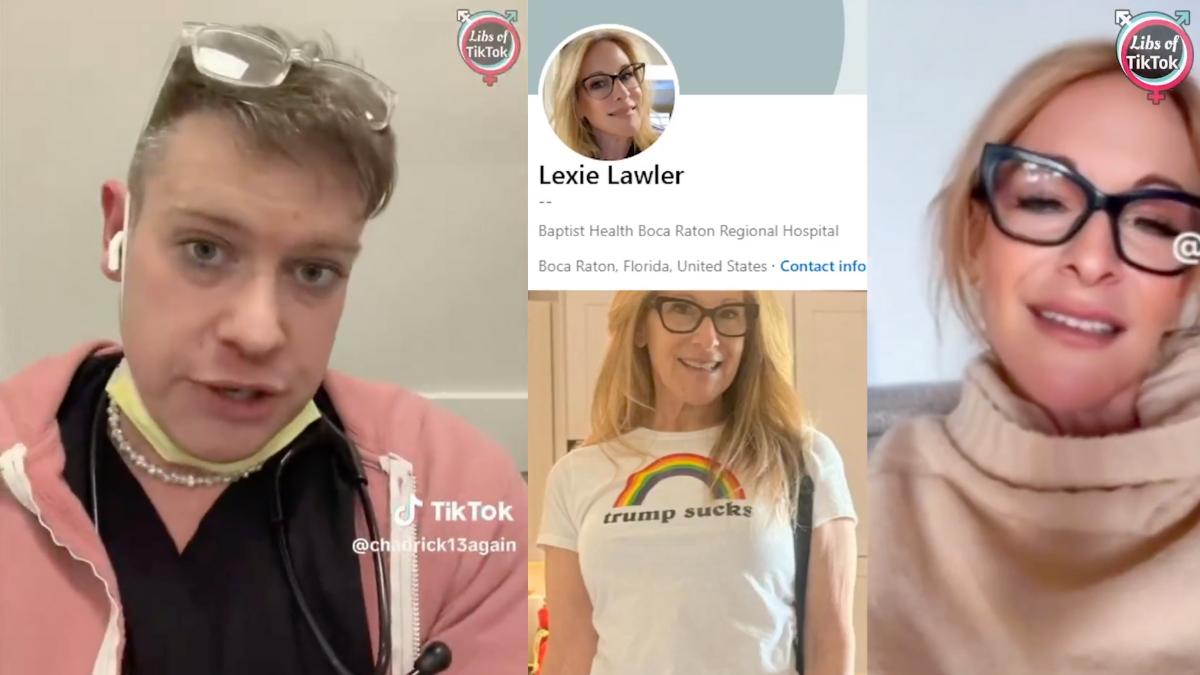
However, the issue is more complex than ideological bias alone. Platforms argue content moderation policies aim to prevent genuine harms such as incitements to violence, harassment, or false information that could threaten public safety. For example, violent or extreme rhetoric shared by public employees, such as nurses endorsing belligerent hostility on social media, has triggered substantial public backlash and calls for accountability, documented in our feature on nurses’ inflammatory posts. This highlights the ongoing challenge of differentiating between protected opinion and speech that crosses into actionable misconduct. Finding this balance between curbing harmful content and preserving vibrant, uncensored discourse remains a pressing dilemma confronting platforms and their users.
The Role of Social Media in Shaping Political and Cultural Battles
Social media platforms have become accelerants and amplifiers of political polarization and cultural conflict. Their algorithms are optimized for engagement—and outrage, controversy, and sensationalism generate intense user interaction. As a result, profoundly divisive narratives and extreme viewpoints often drown out moderate, nuanced perspectives. Conservatives see a dual opportunity and challenge: platforms can be powerful tools for freely disseminating conservative messages and mobilizing grassroots movements, yet the risk of coordinated cancel campaigns, misrepresentation, and ideological silencing online remains high.
Episodes like the public backlash against singer Sabrina Carpenter over her Coachella comments exemplify social media’s lightning-fast outrage cycles, where context is overshadowed by viral condemnation, sometimes accompanied by real-world consequences for individuals’ careers and reputations. Our detailed report on Carpenter’s Coachella controversy explores how social media magnifies cultural flashpoints and threatens civil public discourse.
Similarly, the ongoing national debate around maternal mental health spotlighted during the high-profile Lindsay Clancy trial demonstrates how social media adds intense emotional fuel to politically charged health and gender issues. These social media-driven controversies illustrate the platforms acting not only as mirrors reflecting societal divisions but as catalysts deepening them. Conservatives committed to open dialogue must grapple with algorithmic incentives that tend to reward outrage and extremes over measured conversations.
Government, Big Tech, and the Future of Social Media Regulation
Controversy surrounds government regulation of social media, with conservatives largely skeptical of sweeping federal mandates that could institutionalize censorship or expand bureaucratic oversight of private companies. Yet, there is bipartisan agreement on the need to combat clear harms such as terrorism, child exploitation, and illegal activity. The challenge lies in crafting limited, precise rules that compel companies to police dangerous conduct without infringing constitutionally protected speech or empowering activist-driven content takedowns.
Recent legal and policy proposals reflect this delicate balancing act. Calls for transparency measures requiring platforms to disclose content moderation metrics and algorithmic impacts aim to promote accountability without government control. At the same time, some conservative voices urge tougher action against terrorist content online, as argued in calls for government to compel Big Tech to combat terrorism. Conversely, concerns have been raised about California’s proposed anti-hate speech bill, criticized for vague wording likely to suppress conservative commentary, as discussed in our editorial on California’s bill.
Judicial decisions also shape the regulatory landscape. The Supreme Court’s allowance for Mississippi’s social media age-verification law to proceed, detailed in our article on the Mississippi law, suggests courts may endorse targeted safety measures reflecting states’ interests in protecting youth, without endorsing wholesale government control of speech or platforms. The future framework for social media regulation will hinge on such rulings balancing safety, corporate freedom, and constitutional rights.
Digital Culture, Identity, and the Social Media Marketplace
Beyond politics and policy, social media serves as a digital marketplace where culture wars and identity debates play out with ferocity. Platforms blend entertainment, activism, ideology, and personal expression in ways that are often volatile and fraught. Controversies like the backlash faced by a YouTube couple for their decision to terminate a pregnancy after a Down syndrome diagnosis have ignited fierce debates encompassing disability rights, reproductive freedom, and free speech online, as explored in our coverage of the YouTube controversy.
Similarly, social media aids cross-cultural exchange, demonstrated by stories of European soccer fans embracing American culture during global events, though it can also fuel identity politics and nationalistic sentiment when filtered through partisan viewpoints. Our article on European fans’ cultural embrace showcases this dual nature.
Even dominant search engines like Google face critiques from conservatives regarding alleged editorial biases on politically sensitive topics like transgender issues, which shape the information landscape online (see our detailed reporting on Google search criticism). These dynamics underscore social media’s role far beyond communication—it is a crucible where cultural values, narratives, and identities are contested with little consensus or civility.
Balancing Innovation, Freedom, and Responsibility in the Social Media Era
The enormous influence of social media presents both tremendous promise and peril. On the positive side, these platforms have democratized communication, empowering individual voices and minority opinions once marginalized or unheard. They facilitate political mobilization, social networking, and cultural exchange on an unprecedented scale. However, algorithm-driven engagement models, corporate content moderation policies, and governmental regulatory ambitions can also threaten foundational freedoms if handled recklessly.
From a conservative perspective, the goal must be to promote responsible reform frameworks that emphasize transparency, user safety, and accountability while staunchly protecting free expression rights. Meta’s recent settlement with states exemplifies that tech firms can be held to account for harms without resorting to heavy-handed censorship. The challenge ahead will be preserving the open digital commons from ideological suppression while addressing legitimate social harms arising from addiction, misinformation, and online incivility.
Social media’s trajectory as a cornerstone of American communication and culture will depend on persistent vigilance from policymakers, companies, and citizens alike. Ensuring these powerful platforms remain vibrant forums for debate—not echo chambers of division or tools of control—requires navigating a narrow path between freedom and responsibility. As this conversation evolves, conservative voices committed to liberty and order must engage actively to shape policies that protect both individuality and community safety.
Frequently asked questions
Why was Meta Platforms fined billions regarding social media usage?
Meta agreed to a $17.1 billion settlement after being accused of designing addictive features targeting children, causing mental and physical health problems.
How do conservatives view content moderation on social media?
Many conservatives believe content moderation disproportionately censors their views and fear it suppresses free speech under vague policies.
What are the concerns about government regulating social media?
Expansive government regulation risks infringing on free speech and could lead to political censorship disguised as protecting public interests.
How do social media platforms influence cultural debates?
Platforms accelerate outrage and polarization around sensitive issues, often amplifying extreme views instead of balanced discussion.
What role do age verification and parental controls play in social media safety?
These tools aim to restrict minors’ exposure to harmful content and addictive features, as exemplified by parts of the Meta settlement.
Are there legal precedents regarding social media age restrictions?
Yes, courts have begun allowing laws like Mississippi’s social media age-verification mandate to proceed, signaling regulatory acceptance of some protections.
How does social media affect political violence and extremism concerns?
Some believe platforms enable the spread of extremist content and violent rhetoric, prompting calls for responsible policing without compromising liberties.
What can individuals do to navigate social media’s influence responsibly?
Users should critically assess content, engage in civil discourse, utilize available safety controls, and support policies protecting free speech and safety.
Timeline of our coverage
- 2026-08-27 — Meta Agrees to $17 Billion Settlement Over Child Social Media Harm Claims
- 2026-08-24 — Lindsay Clancy Trial Sparks Social Media Uproar and Debate Over Maternal Mental Health
- 2026-06-15 — European Soccer Fans Embrace American Culture During World Cup Visit
- 2026-06-08 — YouTube Couple Faces Backlash After Aborting Pregnancy Due to Down Syndrome Diagnosis
- 2026-04-14 — Sabrina Carpenter Faces Backlash for Comments During Coachella Performance
- 2026-03-25 — Settlement Limits Government's Role in Social Media Content Moderation
- 2026-02-04 — Nurses' Social Media Posts Spark Outrage Over Violent Rhetoric
- 2026-01-28 — Social Media Outrage Follows ICE-Related Shootings in Minneapolis
- 2025-10-16 — Google's Search Results on Transgender Issues Draw Criticism
- 2025-10-06 — California's Vague 'Hate Speech' Bill Would Censor Conservatives
- 2025-09-26 — In Today's Democrat Party, Political Violence Is Mainstream
- 2025-09-24 — Government Should Make Big Tech Go After Terrorists
- 2025-09-15 — Discussion on Social Media's Role in Charlie Kirk's Assassination Dominates Meet the Press
- 2025-08-14 — Supreme Court Allows Mississippi's Social Media Age-Verification Law to Proceed
The Bottom Line
- Social media shapes public opinion, cultural conflicts, and political discourse more than ever.
- Unchecked platform algorithms can harm youth and vulnerable users, prompting large legal actions.
- Content moderation policies impact free speech and can be weaponized against conservatives.
- Government overreach threatens the private sector’s role and raises censorship concerns.

Sources
- Attorney General Bonta Secures Transformative $17 Billion Settlement with Meta, Proposed Settlement Includes Fundamental Changes to Instagram and Facebook
- Attorney General James Secures Up to $17.1 Billion and Groundbreaking Reforms from Meta to Protect Children on Social Media
- Attorney General Tong Announces $17.1 Billion Settlement with Meta, Forces Sweeping Child-Safety Reforms on Instagram and Facebook
- Fcc.gov
- Cbsnews.com: Meta Settles Social Media Addiction Lawsuit
- Latimes.com: Meta 17 Billion Settlement Social Media Harms
- Inquirer.com: Meta Trial Settlement Teen Addiction 20260826