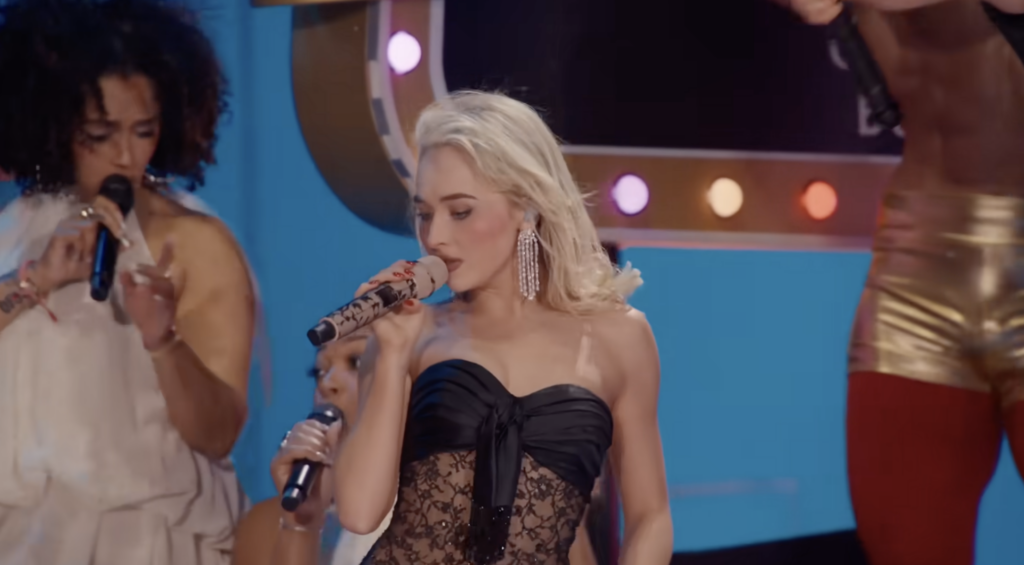
Sabrina Carpenter faced criticism following her comments during a performance at the Coachella music festival, where she misinterpreted a cultural expression from the audience. The incident raises questions about the balance between spontaneity in live performances and the potential for backlash in today's digital landscape.
Explainer Free Speech Battles: Courts, Censorship, and Cultural Conflicts
During her headlining set, Carpenter was seated at her piano when she heard a sound from the crowd that she did not recognize. In response, she remarked, "I think I heard someone yodel. Is that what you’re doing? I don’t like it." When a fan clarified that the sound was a traditional celebration call known as a "Zaghrouta," Carpenter replied, "Is this burning man? What’s going on? This is weird."
The Zaghrouta is a vocal expression commonly used in Middle Eastern and North African cultures to signify joy. Carpenter's comments, initially perceived as lighthearted, quickly drew criticism online, with accusations of insensitivity and racism surfacing across social media platforms. Critics argue that her remarks exemplify a broader issue of cultural misunderstanding in the entertainment industry.
In response to the backlash, Carpenter issued a public apology, stating, "I couldn’t hear clearly, my reaction was pure confusion, sarcasm and not ill intended." She acknowledged her lack of knowledge about the Zaghrouta and expressed her willingness to embrace all forms of celebration in the future. "I welcome all cheers and yodels from here on out," she added in her social media post.
Cultural Sensitivity and Performance
The incident highlights the growing scrutiny that public figures face regarding cultural sensitivity, particularly in live performance settings. Critics contend that the expectation for performers to navigate complex cultural expressions without error can stifle spontaneity and authenticity.
Julianna Frieman, a cultural commentator, noted that Carpenter's experience reflects a broader trend in which artists may feel pressured to adhere to scripted performances to avoid potential backlash. "When every offhand remark can be recorded, clipped, and judged by millions, spontaneity stops looking like a strength," she said.
Supporters of Carpenter argue that her initial reaction was a misunderstanding rather than a malicious intent. They emphasize the importance of context in live performances, where artists often engage with audiences in real-time. However, some cultural critics maintain that public figures must be more aware of the diverse backgrounds of their audiences to avoid similar situations in the future.
The Impact of Digital Culture
The rapid spread of social media has transformed how audiences engage with live performances, often amplifying misunderstandings. Moments that might have been overlooked in the past can now lead to significant public backlash, as seen in Carpenter's case.
This phenomenon has prompted some artists to adopt a more cautious approach to their performances. As Frieman points out, the fear of misinterpretation may lead performers to limit their interactions with audiences, potentially diminishing the vibrancy of live shows. "The safest show is the one where nothing unexpected happens," she noted.
The Coachella incident serves as a reminder of the complexities surrounding cultural exchange in entertainment. While festivals like Coachella celebrate diversity, they also present challenges for artists navigating unfamiliar cultural expressions. The expectation for performers to engage authentically while avoiding offense can create a difficult balancing act.
As the conversation around cultural sensitivity continues, the implications for artists and audiences alike remain significant. The incident may lead to increased awareness of cultural expressions in live performances, but it also raises concerns about the potential for self-censorship among artists.
Ultimately, Carpenter's experience underscores the need for open dialogue about cultural understanding in the arts, as well as the importance of allowing room for human error in live interactions. The challenge will be finding a way to foster genuine connections while respecting the diverse backgrounds of all audience members.