The center-right Liberal-National coalition is projected to win a majority in Victoria’s 88-seat lower house, according to early vote counts and projections from the Australian Broadcasting Corporation. This outcome signals the end of more than a decade of Labor Party governance in Australia’s second-most populous state, marking a significant shift in the region’s political landscape.
Explainer Gun Control Battles: Navigating Rights, Regulations, and the Courts
Victoria, home to over 6.5 million people and the city of Melbourne, has long been considered a stronghold for the center-left Labor Party. However, the latest election results suggest that voters have opted for change after years of Labor dominance. The Liberal-National coalition, which brings together the Liberal Party and the rural-based National Party, is now poised to form government in Victoria for the first time in over a decade.
Labor Premier Ben Carroll conceded defeat on election night, acknowledging the clear message sent by voters. In his concession speech, Carroll stated, "Victorians have spoken, and their message is clear: they want change." The statement underscored the decisive nature of the result and the electorate’s desire for a new direction in state leadership.
Projected Majority for Coalition
Projections from the ABC showed the Liberal-National coalition surpassing the 45 seats needed for a majority in the 88-seat lower house. Labor, which previously held 54 seats, was expected to lose a substantial number according to early counts. This dramatic shift comes after Labor governed Victoria for 23 of the past 27 years, including a stretch of uninterrupted rule since 2014.
The projected victory for the coalition is historic in several respects. Liberal Party leader Jess Wilson, 36, is expected to become Victoria’s youngest premier and the first woman to hold the office. Wilson’s anticipated rise to the premiership marks a generational and gender milestone for the state, reflecting broader changes in Australian political leadership.
The scale of the swing against Labor has surprised some analysts, given the party’s entrenched position in Victorian politics. The loss of seats by Labor is seen as a repudiation of its recent policies and leadership, as well as a response to broader economic and social concerns among voters. Issues such as cost of living, infrastructure, and public services were prominent during the campaign, with the opposition promising to address these areas with new approaches.
Labor’s Response and Political Context
Premier Carroll’s concession speech emphasized respect for the democratic process and the will of the electorate. He told supporters that the result reflected a clear desire for change among voters, and thanked party members for their efforts during the campaign. The defeat is widely regarded as a major blow to Australia’s center-left political establishment, which has relied on Victoria as a key base of support for decades.
"Victorians have spoken, and their message is clear: they want change."
— Ben Carroll, Labor Premier
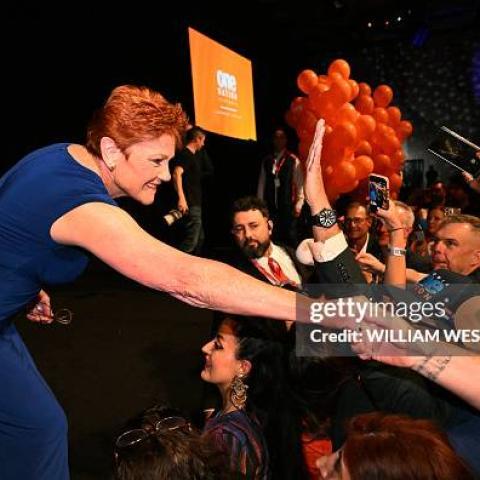
The election also saw the rise of alternative parties, with One Nation, led by Pauline Hanson, positioning itself as an option for voters dissatisfied with the traditional parties. One Nation’s campaign drew comparisons to populist movements in the United States and Europe, appealing to voters concerned about issues such as immigration, national identity, and government accountability. While One Nation is not projected to win a significant number of seats, its presence in the campaign highlighted shifting dynamics in Victorian and Australian politics.
Political analysts have noted that the fragmentation of the vote and the presence of minor parties may have contributed to Labor’s losses in key marginal seats. The growing influence of smaller parties and independents is seen as part of a broader trend in Australian elections, where traditional party loyalties are weakening and voters are more willing to consider alternatives.
Broader Political Implications
Victoria’s election outcome is being closely watched across Australia as a test of voter sentiment toward the major parties. The projected victory for the Liberal-National coalition could have significant implications for political strategies in other states, particularly as parties prepare for upcoming federal and state elections. The result may prompt both major parties to reassess their policy platforms and campaign tactics in response to changing voter priorities.
Supporters of the outgoing Labor government did not immediately respond to requests for further comment on the result. The final seat count is expected to be confirmed as vote counting continues in the coming days, with official results likely to be announced once all ballots have been tallied. Regardless of the final numbers, the outcome represents a major turning point in Victorian politics and could shape the state’s direction for years to come.
Observers will be watching closely to see how the new government approaches key issues such as economic recovery, infrastructure development, and social policy. The transition of power is expected to proceed smoothly, with both major parties emphasizing the importance of stability and continuity in government. As Victoria prepares for a new era under the Liberal-National coalition, attention will turn to how the incoming administration delivers on its promises and responds to the challenges facing the state.