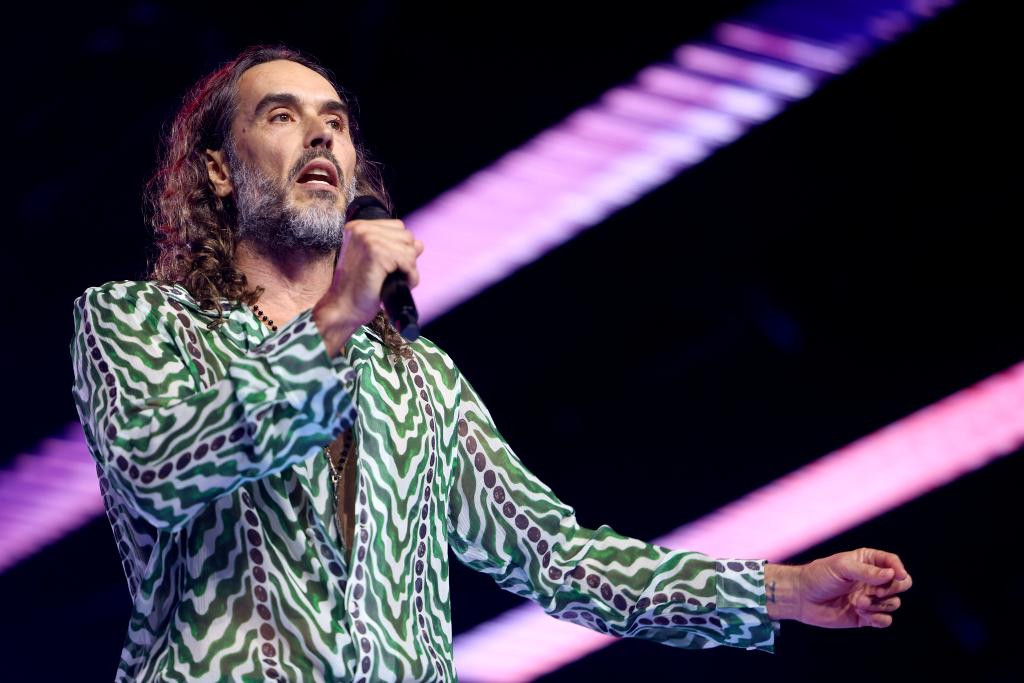
The British government has requested that Google remove a YouTube video featuring Russell Brand, who is currently serving a prison sentence in the UK, after Brand's wife read his statement of innocence to his six million subscribers. The request, made through what the BBC described as an "established mechanism" between the UK prison service and technology companies, has drawn criticism from US lawmakers and free speech advocates concerned about foreign influence over American online platforms.
Explainer Free Speech Battles: Navigating Rights and Censorship in Modern Society
The core issue centers on whether foreign governments should have the power to compel American tech companies to restrict content accessible to US audiences, raising questions about the reach of the First Amendment in the digital age.
This development comes as the UK enforces its Online Safety Act, which requires platforms with British users—including US-based companies—to police "illegal" and "harmful" content or face fines from the communications regulator Ofcom. The move follows previous UK government efforts to pressure tech firms to demonetize Brand after allegations surfaced, and arrives amid broader debates over the extraterritorial application of foreign speech laws.
UK Government's Request to Google
After Russell Brand was convicted of rape and sexual assault and sentenced to over ten years in prison, his wife Laura Brand read a message from him on YouTube in which he maintained his innocence. Within days, the UK government asked Google to remove the video from the platform. A Ministry of Justice spokesperson told the BBC, "It is only right that the Government asks for content that is distressing for victims to be taken down and we strongly believe YouTube should remove this content. Removal ultimately depends on the platform’s own terms." Prime Minister Andy Burnham also called on companies to "show some decency and take these videos down."
Housing Minister Matthew Pennycook acknowledged on BBC Breakfast that "We don’t have any power to mandate a removal of content. That is up to Google." Google responded, "We’re aware of the new content and our teams are investigating." As of Tuesday morning, the video remained online.
Tech Companies' Responses
Major tech companies have responded differently to the Brand controversy. Following his sentencing, Meta disabled Brand’s Facebook, Instagram, and WhatsApp accounts, citing policy violations. Brand’s X (formerly Twitter) account remains active. When allegations first emerged in 2023, YouTube demonetized Brand’s channel, and a UK parliamentary committee chair asked Rumble to do the same. Rumble rejected the request, stating, "We regard it as deeply inappropriate and dangerous that the UK Parliament would attempt to control who is allowed to speak on our platform or to earn a living from doing so."
US Legislative and Policy Pushback
The Trump administration has taken steps to counter foreign censorship targeting Americans. In May 2025, Secretary of State Marco Rubio announced a visa restriction policy for foreign nationals involved in censoring Americans, stating it is "unacceptable for foreign officials to demand that American tech platforms adopt global content moderation policies or engage in censorship activity that reaches beyond their authority and into the United States." The State Department later added several Europeans to its banned list, but the policy is currently paused by a court order.
In August, Rep. Michael Rulli, R-Ohio, introduced the GRANITE Act (H.R. 10174), which would prohibit US courts from recognizing or enforcing any "foreign censorship law." Rulli said, "The Constitution does not bend to Brussels or London." The bill responds to what Rulli and supporters describe as a growing trend of foreign regulators attempting to force American companies and individuals to comply with overseas speech restrictions.
"Foreign bureaucrats do not get to decide what Americans can say. My bill makes clear that if a foreign government tries to punish an American for speech protected by the First Amendment, that judgment is dead on arrival in our courts."
— Rep. Michael Rulli, R-Ohio
What the GRANITE Act Would Do
According to the official summary, the GRANITE Act would bar domestic courts from recognizing or enforcing any foreign judgment, fine, order, or demand related to protected expression that would be unenforceable under the First Amendment. The bill also removes sovereign immunity for foreign governments and officials who attempt to impose such censorship judgments, allowing Americans to seek relief in US district court. The legislation is supported by NetChoice and the Information Technology and Innovation Foundation.
Labour MP Jess Phillips has suggested a second Online Safety Act is "very likely," while Conservative leader Kemi Badenoch cautioned against immediate takedown demands without legal review. The UK government has not addressed US lawmakers' concerns about the extraterritorial impact of its censorship requests.