The contest to succeed President Donald Trump is intensifying, with Vice President JD Vance, Secretary of State Marco Rubio, and Florida Governor Ron DeSantis emerging as leading contenders amid shifting Republican fortunes and internal divisions.
The stakes are high as party leaders and activists debate who can unify the GOP and maintain its electoral momentum following significant Democratic gains in recent midterm elections.
The Republican Party's search for a successor comes after a volatile decade in which congressional majorities have repeatedly changed hands, and voter loyalty to parties has weakened. Independents now make up a growing share of the electorate, and recent elections have shown that outcomes remain unpredictable.
Republican Contenders Emerge
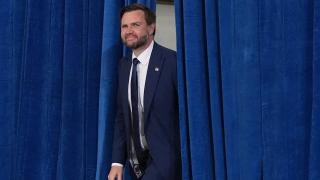
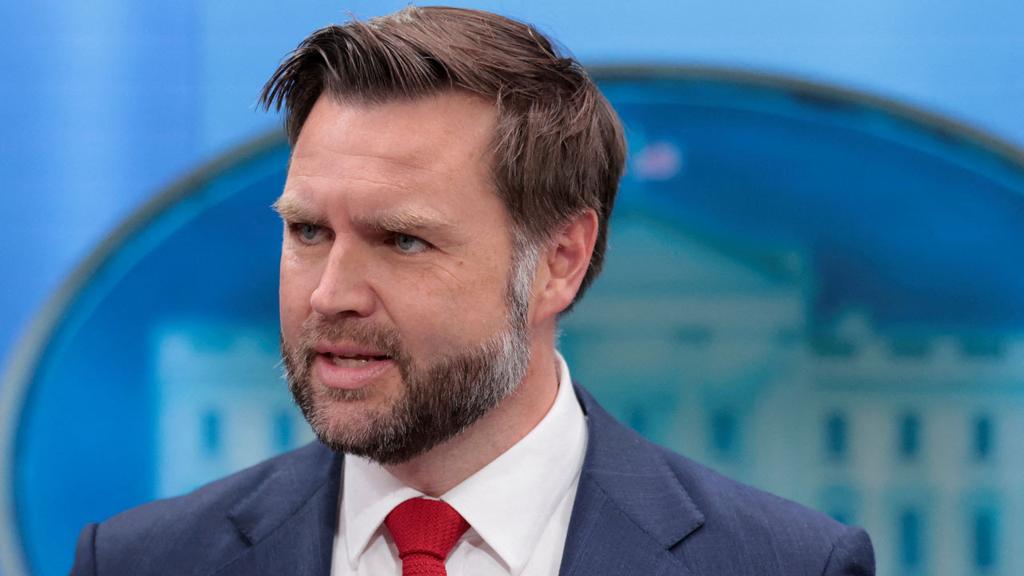
JD Vance, who served as President Trump's running mate and is now vice president, was initially seen as the clear favorite to inherit the MAGA mantle. His performance during the 2024 campaign, including high-profile debates and media appearances, helped solidify Trump's victory and earned him widespread praise within the party.
However, the Republican Party's poor showing in the most recent midterms has complicated Vance's path. Democrats made inroads even in traditionally Republican states such as Texas, Kansas, and Iowa, with Florida standing as a notable exception. Observers credit Governor Ron DeSantis's redistricting strategy for helping Republicans retain key seats in Florida, boosting his profile as a potential presidential contender.
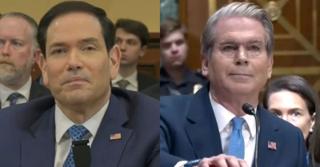
Secretary of State Marco Rubio has also gained attention for his role in foreign policy, particularly in Latin America. Rubio has been described as President Trump's "utility person," handling diplomatic challenges in Venezuela and countering Chinese influence in the Panama Canal region. His efforts are credited with shifting many Latin American countries toward pro-American positions, with the exception of Brazil, Cuba, Nicaragua, and Mexico.
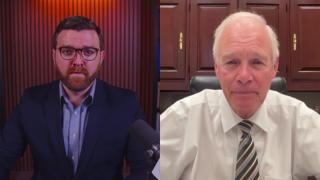
"Marco’s been barnstorming Latin America, and we’ve seen one of the most amazing reassertions of the Monroe Doctrine in history, and all of a sudden, all of Latin America, with the exception of Brazil, Cuba, Nicaragua, and Mexico, is pro-American, and a lot of people credit Marco Rubio."
— Victor Davis Hanson, Daily Signal contributor
Party Divisions and Vance's Challenge
Vance now faces pressure from figures on the party's right flank, including Steve Bannon, Nick Fuentes, Tucker Carlson, Thomas Massie, and Marjorie Taylor Greene. Some of these allies, once assets in his vice-presidential selection, have become vocal critics of both Trump and the broader Republican establishment. Their criticism puts Vance in a difficult position, as distancing himself risks alienating core supporters, while defending them could cost him broader party backing.
Marjorie Taylor Greene chose not to seek reelection, and Lauren Boebert lost her seat, both now critical of Trump. Thomas Massie lost his primary, and Tucker Carlson, after leaving Fox News, has taken a controversial direction, including criticism of Israel and U.S. foreign policy. The association of these figures with Vance has become a liability as the party seeks unity.
"They are doing that in a way to force JD Vance to come out and either attack his base or defend them. If he defends them, he’s in an impossible situation. He’s going to offend 80% of the people who are in the MAGA movement," said Victor Davis Hanson.
Democratic Gains and Policy Debates
Democrats' recent victories have shifted the balance of power in Congress, with some predicting continued control through upcoming cycles. Despite campaign promises to focus on affordability, critics argue that Democratic leaders are prioritizing investigations, impeachment efforts, and expansive spending proposals, including socialized medicine and amnesty for unauthorized immigrants.
Hanson contends that these priorities could undermine economic gains achieved under President Trump, citing recent improvements in GDP growth, gas prices, and employment figures. He argues that Democrats risk repeating past policy mistakes that contributed to higher inflation rates.
Democratic leaders have not directly addressed these criticisms in recent statements.
What to Watch Next
The Republican nomination remains highly contested, with no clear frontrunner as party factions debate the best path forward. The volatility of recent elections and the evolving political landscape suggest that the outcome is far from certain. Party leaders are watching whether Vance, Rubio, or DeSantis can consolidate support and present a unified front ahead of the next presidential race.