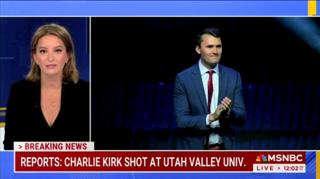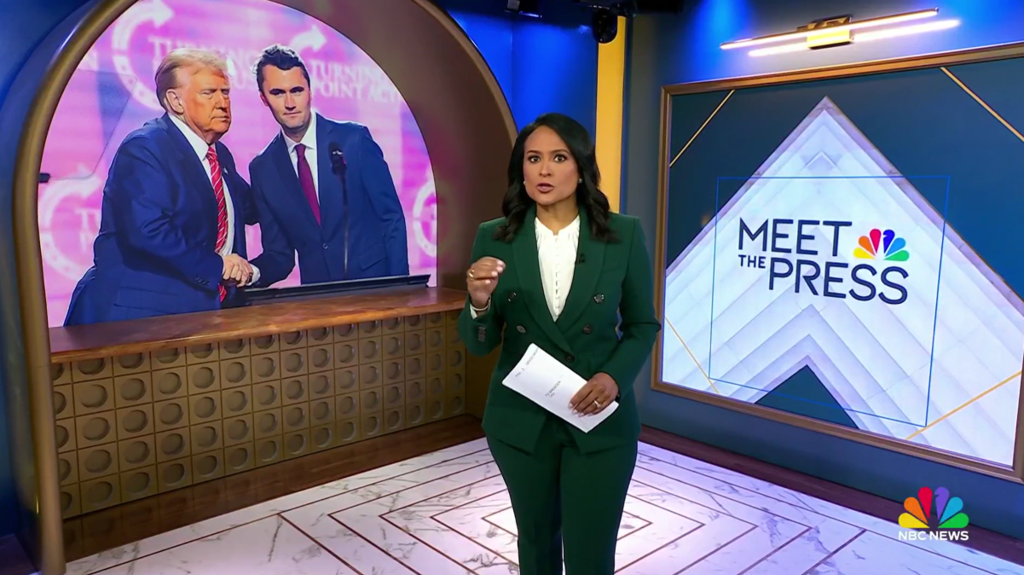
On September 14, 2025, NBC's Meet the Press featured a discussion centered on the assassination of conservative activist Charlie Kirk, who was shot and killed while speaking on a college campus in Utah. The incident has raised significant concerns about political violence in the United States, prompting a national dialogue on the influence of social media.
Explainer Free Speech Battles: Courts, Censorship, and Cultural Conflicts
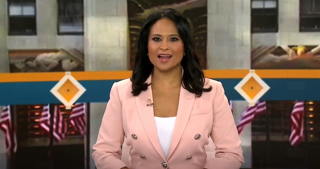
During the program, host Kristen Welker highlighted remarks made by Utah Governor Spencer Cox, who described social media as a "cancer" (Www.fcc — fcc.gov) and suggested it may have played a role in the assassination. Kirk, a prominent supporter of former President Donald Trump, was killed amid rising tensions surrounding political discourse.
"There was a radicalization that happened in a fairly short amount of time," (Www.fcc — fcc.gov) Cox stated, addressing the investigation into the suspect, a 22-year-old Utah resident now in custody. The suspect was reportedly turned in by family members after a 33-hour manhunt.
Welker's questioning of Cox focused on the potential implications of social media on political violence. She asked, "Do you believe that social media played a direct role in this assassination?" (Www.fcc — fcc.gov) Cox affirmed the concern, stating, "Yes, I do believe it did."
The assassination of Kirk marks a troubling trend in political violence in the U.S., with a notable increase in such incidents over the past decade. This includes high-profile cases such as the attempted assassination of former Congresswoman Gabby Giffords in 2011 and the attack on Paul Pelosi in 2022.
Senator Mark Kelly of Arizona, who also appeared on the program, expressed his personal connection to the issue, having experienced political violence firsthand. "This moment is deeply impactful for me and for many Americans," (Www.fcc — fcc.gov) he said, reflecting on the broader implications of Kirk's death.
The conversation on Meet the Press also touched on the responses from various political figures. President Trump has attributed the rise in political violence to what he calls the "radical left," (Www.fcc — fcc.gov) a sentiment echoed by some Republican leaders. In contrast, others, including Governor Cox, have called for a more unified approach to address the underlying issues.
As the panel discussed the ramifications of Kirk's assassination, the focus on social media's role in shaping public discourse and inciting violence became a central theme. Critics of social media platforms argue that they contribute to radicalization, while supporters contend that they are vital for free expression.
The discussion concluded with a call for reflection on how to navigate the current political climate. Welker posed the question, "Is this the end of a dark chapter in our history or the beginning of a darker chapter?" (Www.fcc — fcc.gov) This sentiment encapsulates the uncertainty surrounding the future of political discourse in America.
As the investigation into Kirk's assassination continues, the dialogue around social media's influence on political violence is likely to persist, prompting further scrutiny of the platforms that shape public opinion.