Arizona's Electoral Landscape: Election Integrity and Social Policy Challenges
Explore Arizona's evolving election processes and significant social policy debates defining its political arena, from voting administration to transgender athlete rights.
Additional reporting by Liam Walker, Oliver Brown
Arizona’s Political Landscape: A Crossroads of Election Integrity and Social Policy
In recent years, Arizona has emerged as a crucial battleground in shaping election integrity and social policy debates that resonate nationwide. The state’s demographic shifts and political dynamics have made it a focal point for conservative activists and legal challenges, particularly around election administration and group rights in education and sports. Understanding Arizona’s electoral framework and the controversies enveloping its policies provides critical insight into broader struggles over governance, fairness, and constitutional protections in America today.
Arizona’s election system has undergone significant scrutiny following operational challenges and contentious laws that test the boundaries of federal versus state authority. Meanwhile, debates over transgender athletes’ participation in school sports have brought powerful cultural and legal conflicts to the forefront. These developments are not isolated but reflect the pulse of conservative efforts to defend election integrity while navigating the complex interplay of individual rights and social norms.
"Election integrity and social policy in Arizona are battlegrounds where state sovereignty confronts federal intervention and cultural change."
This in-depth look examines Arizona’s election administration challenges, legal controversies over transgender athlete participation, judicial influences, federal oversight tensions, and cultural dynamics that collectively shape the state's political landscape.
Election Administration: Challenges and Reforms in Maricopa County
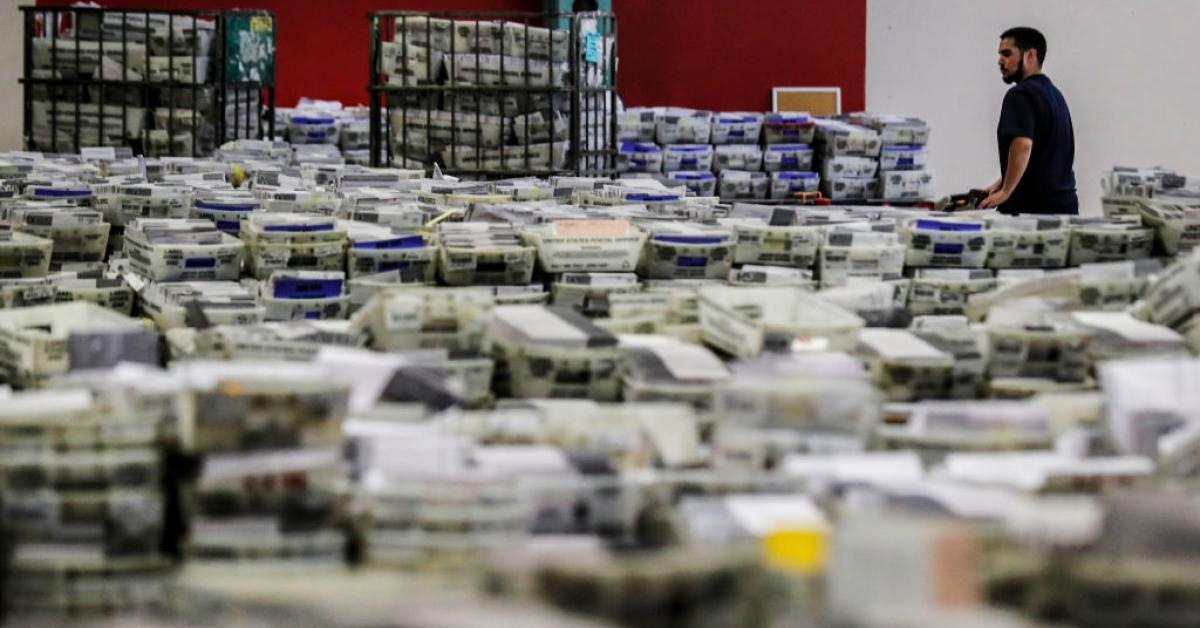
Maricopa County, Arizona’s largest and most populous county, is the epicenter of election administration scrutiny in the state and a microcosm illustrating the challenges nationwide conservatives face in upholding election integrity. In the November 2023 jurisdictional election, which spanned 29 distinct cities, towns, and districts, the county managed a solid turnout nearing 25% with 472,508 ballots cast. While the election proceeded without major incident, it followed a high-profile 2022 midterm election clouded by printer malfunctions and ballot tabulation errors that undermined confidence and fueled partisan discord.
An independent investigation into the 2022 printer failures found the use of thicker, heavier paper stock combined with unusually long ballots exceeded the mechanical limits of existing equipment. The technical breakdown resulted in ballot jams and counting delays, problems that could have been avoided with more appropriate hardware and planning. This inquiry culminated in a recommendation to replace the obsolete printers with modernized machines, emphasizing that robust infrastructure is vital for smooth voting operations and public confidence. Robust election technology and operational prudence are pillars of conservative arguments favoring state-led election reform without federal micromanagement.
Further complicating the election process, a vendor handling ballot distribution prematurely dispatched over 3,000 ballots during the preparation phase. Despite reassurances from county officials that the early delivery did not compromise ballot validity, the incident raised concerns among voters skeptical of election administration transparency and forged calls for clearer accountability mechanisms, as explored in our coverage of the early ballot delivery episode. Conservatives emphasize stringent, well-documented protocols at every stage from printing to poll closing to shield election integrity from both inadvertent errors and intentional tampering.
In response, Arizona Republicans have pursued a series of legislative amendments focused on implementing comprehensive reforms. These aim to enhance transparency through improved record-keeping and audit trails, standardize procedures across the state’s many jurisdictions to reduce inconsistency, and tighten security controls around ballot handling and vote counting. Crucially, these proposals seek to defend state sovereignty in election law administration, resisting perceived federal overreach, a position detailed in our report on Arizona GOP’s reform initiatives. The reforms reflect conservative aspirations to secure elections with state-specific solutions rather than broad federal mandates, underscoring local accountability as key to legitimate governance.
Legal Battles Over Transgender Athlete Rights
Arizona has become a national focal point for the contentious legal and cultural struggle over transgender student-athletes’ participation in girls’ sports. In 2023, the state enacted legislation prohibiting transgender girls from joining female sports teams at public schools, igniting fierce debate and triggering federal litigation. The law’s defenders argue it protects biological girls’ competitive fairness and women’s athletic opportunities, framing it as a necessary safeguard in school sports. Opponents contend the ban constitutes discrimination against transgender youth, violating constitutional equal protection guarantees and Title IX’s prohibition of sex-based discrimination in education.
A federal court swiftly issued an injunction blocking the enforcement of this law, citing strong indications it likely violates the Equal Protection Clause and Title IX. The ruling permits transgender girls to compete consistent with their gender identity while litigation proceeds, underscoring the judiciary’s emerging role as an arbiter in these sharp cultural conflicts. Arizona’s confrontation mirrors similar battles in other states where conservatives advocate for SAVE (Safety, Accountability, and Values Enforcement) laws designed to preserve traditional definitions of sex in sports and education. Our analysis of the transgender athlete ruling details the courtroom dynamics shaping this divisive issue.
This legal struggle is emblematic of a broader conservative movement seeking to reclaim policymaking authority from a perceived activist federal judiciary and to assert parental and community rights over educational policies. The efforts represent attempts to define the cultural contours of fairness and identity within public institutions amid rapid social changes, advancing policies that emphasize biological realities while acknowledging the complexity of individual rights debates. Our broader report on conservative SAVE laws highlights how Arizona’s approach fits into a national wave of state-led initiatives pushing back against federal regulatory inertia and litigation.
Judicial Influence and Political Controversies in Arizona
Arizona’s judiciary has played a pivotal role in resolving election disputes and shaping social policy legal precedents. Courts at multiple levels have ruled on ballot language controversies, election procedures, and election outcomes, highlighting the judiciary's central position in validating or contesting electoral legitimacy. For instance, the Arizona Supreme Court sided decisively with Recorder Adrian Heap in a legal dispute over election administration practices in Maricopa County, overturning prior agreements and affirming the need for strict procedural adherence, as reported in our court ruling coverage.
These judicial decisions underscore how courts are often the last line of defense ensuring that elections are run fairly and lawfully, given the politicized pressures election officials confront. Conservatives emphasize that transparent, timely judicial remedies maintain constitutional order and prevent electoral disputes from destabilizing public trust.
The political environment itself has seen a marked shift with the rise of Trump-backed conservatives dominating GOP primaries statewide, redefining the party around stringent election integrity agendas and socially conservative policies. This realignment influences candidate selection and legislative priorities, reinforcing state-led reforms while shaping judicial appointments sympathetic to conservative values. We have chronicled these trends in our analysis of GOP primaries, illustrating how intra-party dynamics impact policy outcomes.
Controversies surrounding investigations and accountability persist as well. The closure of the pay-to-play investigation involving key political figures and the subsequent dropping of charges against Trump allies have fueled concerns among conservatives about transparency and fair application of justice. Advocates maintain vigilance in pressing for thorough investigations and accountability, demonstrated through scrutiny outlined in our coverage of the Hobbs probe closure. Judicial impartiality and political oversight remain critical to preserving election integrity and public faith.
Federal Oversight and Its Impact on Arizona Elections
Arizona’s election administration is also shaped by the increasing presence of federal election monitors and oversight. Following election controversies, the Department of Justice deployed over 1,000 election monitors nationwide, including key Arizona counties, to observe election procedures and ensure compliance with federal laws. Conservatives in the state often view this initiative warily, interpreting it as an intrusion that risks politicizing local elections and diminishing state sovereignty, themes central to our DOJ oversight report.
The tension between federal oversight and state autonomy lies at the heart of Arizona’s electoral challenges. State officials strive to comply with federal mandates where required but stress the paramount importance of localized election administration tailored to regional needs and constitutional prerogatives. This approach aligns with conservative principles favoring decentralized governance, arguing that states are best positioned to manage the electoral process, preserving legitimacy and minimizing politicization.
The balancing act involves negotiating cooperation with federal agencies while defending the principle of states’ rights to prevent overbroad federal mandates that might dictate policies inappropriate for Arizona’s unique political makeup. This on-going interplay will significantly influence the state’s ability to maintain election integrity under competing pressures, shaping future policy development and political alignments.
Cultural Battles Reflecting Broader National Divides
Beyond election mechanics, Arizona’s political landscape highlights the deepening cultural divides that polarize the nation. The social policy disputes — particularly over transgender athlete participation — underscore fundamental conflicts between protecting traditional social norms and expanding civil rights protections. Conservatives argue these laws defend core values of fairness and biological distinction that many see as essential to women’s opportunities in sports, while progressives frame such restrictions as discriminatory barriers to inclusion and equal dignity.
Federal courts’ intervention in these state laws, often through injunctions halting them, sparks conservative concerns about judicial activism overriding the democratic process and voter intent. For many conservatives, this raises urgent questions about separation of powers and democratic accountability, suggesting that judicial overreach threatens the capacity of state legislatures to reflect constituents’ values. This dynamic drives increased political engagement and mobilization around cultural issues that resonate with core conservative constituencies.
Arizona thus serves as a flashpoint where the intersection of election integrity, legal authority, and cultural identity collide. The state’s ongoing debates capture a broader national struggle over governance and values — a struggle that is reshaping American political and social discourse on multiple fronts.
Arizona’s Election Future and Conservative Priorities
Looking ahead, Arizona’s evolving political and legal battles position the state as a critical test case for conservative visions of election reform and social policy governance. Efforts to improve election security through better technology, clear procedural standards, and non-partisan oversight seek to restore voter trust and demonstrate that elections can be both accessible and secure. These initiatives often emphasize decentralized state control as the optimal framework to resist federal overreach while maintaining accountability.
Legal confrontations over transgender athlete participation and related social issues will continue to engage the courts and the public, reflecting ongoing tensions about how to balance rights, fairness, and community standards in public institutions. Voter referendums and legislation on these matters present an opportunity for conservatives to advance policies consistent with their values on a broad scale.
Conservative voters and officials remain deeply invested in these debates, underscoring the vitality of grassroots engagement and policy innovation. Arizona’s trajectory is likely to influence national conservative strategies, providing models and cautionary examples for other states seeking tailored solutions to election integrity and cultural disputes.
Covering the intricate controversies around ballots and propositions, including ballot language disputes, our reporting sheds light on the complexity and stakes of these political battles. Arizona, at this intersection of electoral and social conflict, encapsulates the challenges Oklahoma and other battleground states face as they navigate competing imperatives of security, fairness, and inclusivity.
Ultimately, Arizona’s experiences reinforce the conservative commitment to balancing constitutional fidelity, electoral trust, and social cohesion amid a politically charged environment. The state’s leadership, judiciary, and engaged citizenry coalesce around efforts that seek to preserve democratic legitimacy while confronting the cultural wars that continue to define modern American politics.
Frequently asked questions
What caused the printer malfunctions during the 2022 Maricopa County elections?
An independent investigation determined that the use of heavier paper and longer ballots led to certain printers malfunctioning, necessitating their replacement.
How did the federal court ruling affect Arizona’s transgender athlete ban?
The federal judge blocked the law that barred transgender girls from girls’ sports teams, citing probable violations of the Equal Protection Clause and Title IX, allowing those athletes to participate.
Why are federal election monitors being sent to Arizona?
The DOJ deployed monitors to oversee election practices in Arizona due to previous challenges and concerns over adherence to lawful voting procedures.
What election reforms have Arizona Republicans proposed?
They have proposed amendments focused on increasing transparency, standardizing election procedures, and enhancing security to protect election integrity.
How have Trump-backed conservatives influenced Arizona politics?
They have dominated recent GOP primaries, pushing election integrity and social conservative initiatives that shape statewide policies and judicial appointments.
What role has Arizona’s judiciary played in election disputes?
The state courts, including the Supreme Court, have adjudicated disputes involving election administration, voter rights, and ballot language, often siding with conservative officials.
Timeline of our coverage
- 2026-10-11 — Arizona Voters to Decide on Expanding Protections for Girls’ Sports
- 2026-10-05 — Maricopa County Vendor Sent Over 3,000 Ballots Early, Officials Say Validity Unaffected
- 2026-09-28 — Supreme Court to Hear Major Gun Rights, Voting, and Jury Cases
- 2026-09-26 — Federal Government Plans Three New Border Patrol Stations, Two Checkpoints in Arizona
- 2026-09-21 — Conservative States Advance SAVE Laws Amid Federal Stalemate
- 2026-09-13 — Arizona GOP Presses Attorney General Over Closure of Hobbs Pay-to-Play Probe
- 2026-09-03 — DOJ to Deploy 1,000 Election Monitors Nationwide Amid Scrutiny of Local Practices
- 2026-08-16 — Ballot Language Disputes Intensify Ahead of Major State Referendums
- 2026-08-06 — Arizona Voters Sue Over Ballot Language for Proposition 144
- 2026-08-06 — Prosecutors Declined to Charge Hacker in 2020 Arizona Voter Data Breach
- 2026-07-22 — Trump-Backed Conservatives Dominate Arizona GOP Primaries
- 2026-07-09 — Arizona Supreme Court Hands Recorder Heap Win In Maricopa Elections Battle
- 2026-07-03 — Great American State Fair Highlights State Pavilions Amid Criticism
- 2026-06-19 — Arizona AG Dismisses Charges Against Trump Allies Amid Allegations of Collusion
- 2026-06-05 — Arizona AG Kris Mayes Plans New Indictment in Trump Electors Case
- 2026-04-20 — Arizona Judge Rules in Favor of Recorder Heap, Overturns Previous Election Agreement
- 2025-11-17 — Arizona Republicans Propose Amendment to Reform Election Processes
The Bottom Line
- Arizona’s election challenges highlight critical vulnerabilities and reform opportunities in America’s voting systems.
- Legal disputes over transgender athlete participation underscore ongoing cultural and constitutional conflicts of national significance.
- The state serves as a testing ground for conservative strategies to secure elections and restrict federal oversight.
- Judicial decisions in Arizona influence broader debates on democratic accountability and individual rights.

Sources
- FEC
- Leadstories.com: Fact Check Video Does Not Show New Evidence Of Maricopa Election Officials Illegally Breaking Into Sealed Election Machines
- Politifact.com: Arizona Video Shows Routine Pre Election Preparati
- Axios.com: Maricopa County Jursidictional Election Ballot Explainer (Oct 17, 2023)
- Apnews.com: 382b28400bd7de1a4acd0b793bf48a8c
- Apnews.com: Fcbd40f8b0c0b778f50409bc994d4225
- Time.com: Voting Smooth Deniers Midterm Elections
- Nclrights.org: Arizona Federal Court Allows Transgender Girls To Play On Girls Sports Teams
- Kawc.org: Maricopa County To Review What Went Wrong With Ballot Printers On Election Day