Voter Registration Integrity: Revealing Risks and Reform Paths for American Elections
Explore the complexities and challenges of voter registration in U.S. elections, highlighting errors, fraud risks, and necessary reforms.
Additional reporting by Liam Walker
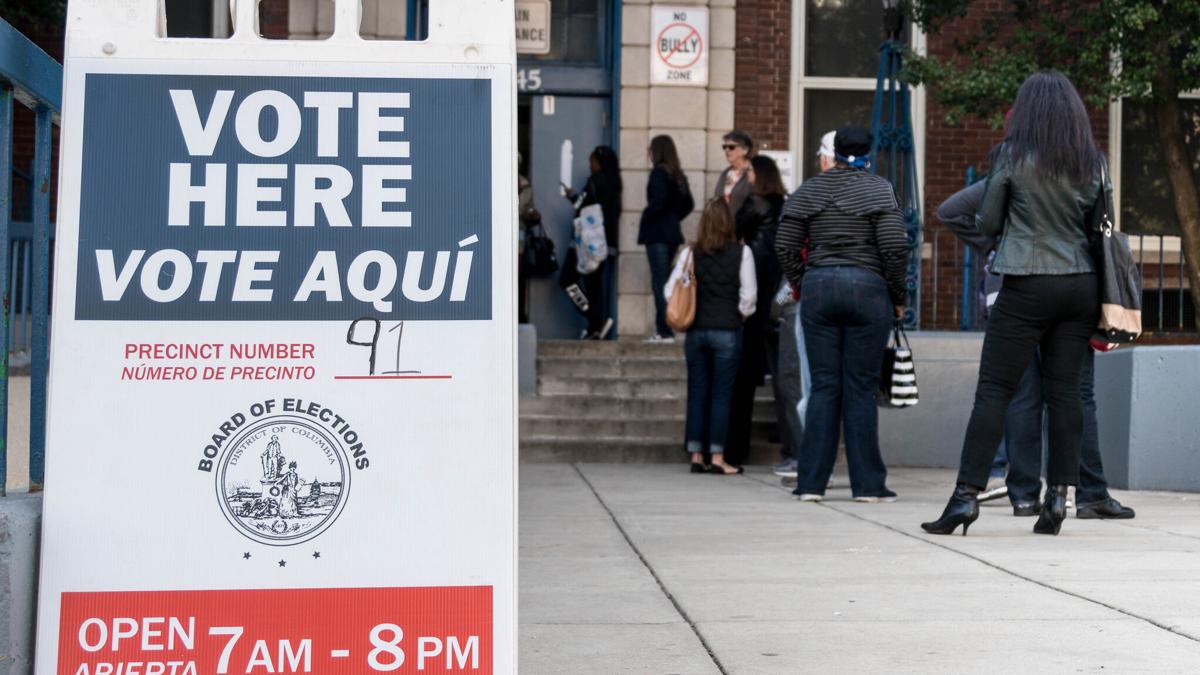
Voter registration serves as a critical gatekeeper in the American electoral process, defining who is lawfully authorized to participate in our democracy. The accuracy and security of these rolls are fundamental to election legitimacy and public trust. Yet, mounting evidence reveals systemic vulnerabilities—technical glitches, human errors, and fraud risks—that imperil this cornerstone institution. In an era of heightened political polarization and scrutiny on election outcomes, it is essential to understand the dynamics of voter registration challenges and the pathways toward robust reforms.
The implications of flawed voter registration systems extend far beyond bureaucratic mishaps. They directly influence election results, voter confidence, and the broader sociopolitical fabric. Conservatives emphasize that safeguarding the franchise involves diligent verification of eligibility, including stringent citizenship checks. This comprehensive analysis delves into how registration errors occur, recounts high-profile cases of voter roll issues, and evaluates the current landscape of reform efforts geared toward protecting the integrity of American elections.
High-Profile Voter Registration Errors and Their Consequences
"Voter registration errors and fraud threaten election legitimacy, making rigorous verification and reforms essential to secure America's democracy."
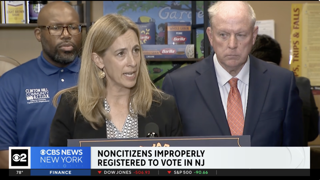
Among the most notable examples highlighting registration system vulnerabilities is New Jersey’s Motor Vehicle Commission (MVC) fiasco. Between June 2023 and June 2024, a software fault in the state’s MVC system resulted in roughly 6,600 noncitizens being erroneously registered to vote. Disturbingly, these individuals had explicitly marked their noncitizen status during driver’s license or identification card applications, yet flawed software logic allowed automatic enrollment into voter rolls regardless. Governor Mikie Sherrill publicly acknowledged that fewer than 400 of these ineligible voters actually cast ballots during this period.
This case starkly illustrates how technological shortcomings can inadvertently subvert election security, admitting unqualified participants into the electorate. The incident prompted New Jersey authorities to launch a formal investigation, initiate the removal of the improper registrations, and seek a replacement for the responsible vendor. Our detailed reporting on this New Jersey MVC software error exposed the profound consequences arising from overlooked election infrastructure flaws and the necessity for rigorous oversight.
Elsewhere, battleground states have witnessed politically charged fallout from registration mismanagement. In Michigan, for instance, declassified FBI documents unveiled an ongoing probe into voter registration fraud schemes that reinforce concerns about illegal manipulation of voter rolls. The Michigan GOP has called for Department of Justice involvement to monitor upcoming elections, demonstrating conservative demands for intensified enforcement and transparency concerning voter eligibility, as examined in our coverage of the Michigan GOP urging DOJ monitoring.
These episodes spotlight the tangible risks posed by unchecked registration errors and fraudulent practices, necessitating decisive corrective actions to restore faith in electoral outcomes.
The Mechanics and Vulnerabilities of Voter Registration Systems
The process of voter registration encompasses a series of interconnected procedures: collecting personal data, verifying voter qualifications such as citizenship and residency, and maintaining accurate, updated rolls. These responsibilities involve collaboration between various state agencies—most notably motor vehicle departments and election commissions—each sharing critical data to confirm eligibility. However, as New Jersey’s MVC software breakout demonstrated, inaccurate data integration, legacy systems, and inadequate technical safeguards create dangerous gaps vulnerable to exploitation or error.
Compounding technological vulnerabilities, human factors pose additional risks. Nonprofit organizations and paid canvassers frequently assist voters with registration drives, yet some have been implicated in submitting fraudulent registrations or exaggerated application numbers. Election canvassers in various states, including recent prosecutions of those linked to fake registration schemes, underscore the need for oversight. Our investigative reporting on fake 2024 voter registrations reveals the coordinated nature of these fraud networks and their capacity to undermine electoral trust.
Moreover, there exists a contentious debate over compliance with federal statutes such as the National Voter Registration Act (NVRA) and the SAVE Act, which mandates proof of citizenship upon registration. While conservatives champion these safeguards as essential to preserve election security, left-leaning groups frequently oppose them, arguing they create barriers to voting access. Our examination of opposition to citizenship verification provides deep insights into this ideological tug-of-war over safeguarding the voter rolls.
These intersecting vulnerabilities demand robust technical upgrades complemented by vigilant enforcement to secure registration systems systematically.
The Legal and Policy Fight Over Voter Registration Requirements
At the core of ongoing policy disputes is how to strike an appropriate balance between maximizing voting accessibility and minimizing the risk of registering ineligible voters. Conservative reform advocates press for stringent proof-of-citizenship mandates, improved verification technology, and routine audits to close existing loopholes exploited for voter fraud. Proposed bills like the SAVE Act encapsulate these efforts, seeking to require upfront citizenship validation for all registrants. This measure enjoys widespread grassroots support but faces staunch resistance in many Democratic-led legislatures, reflecting a profound partisan divide.
Public figures like former Vice President Mike Pence have recently reignited debates by criticizing the opposition to such safeguards, offering a platform to advocate for electoral reforms that emphasize citizen-only voting. Our coverage of Pence’s election reform debate reveals how contesting voter eligibility verification remains a flashpoint in politics and shapes public perceptions about ballot integrity.
Simultaneously, the judicial system has become a battleground for these disputes, with courts adjudicating cases on the legality and constitutionality of verification requirements. For example, Pennsylvania’s pending court ruling on whether unverified voter registrations may be used illustrates the simmering tension between expanding access and preventing fraud. Our status report on Pennsylvania’s registration verification case highlights the complexities judges face in interpreting election laws amid partisan pressures.
Ultimately, the evolution of voter registration policy will depend on sustained legislative, administrative, and judicial engagement to safeguard electoral fairness.
The Nationwide Impact and State-by-State Variations in Registration Rules
Voter registration statutes vary dramatically across the 50 states and Washington D.C., creating a fragmented regulatory patchwork that influences both fraud susceptibility and voter access. Some states enforce rigorous identification, citizenship proof, and residency requirements, while others opt for broad inclusivity and streamlined processes designed to boost turnout. Our voting rules index tracker comprehensively catalogs these variations, reflecting diverse political climates and administrative philosophies nationwide.
Texas provides a telling case study; state election officials recently identified approximately 2,700 potential noncitizens on its voter rolls, underscoring the continuous need for vigilant maintenance even where tight registration laws exist. Similarly, North Carolina’s election board addressed thousands of registrations lacking proper ID, illustrating the persistent challenge of sustaining roll accuracy and compliance with eligibility mandates. Such ongoing audits and cleanup efforts are vital to prevent roll inflation and fraudulent voting, as exemplified in our North Carolina cleanup story.
This state-level divergence fuels debate over federal oversight versus state autonomy in electoral administration. Republicans advocate for standardized national safeguards, arguing that without unified enforcement, fraud and errors will continue unchecked under disparate local rules.
Why Maintaining Registration Integrity Is Essential to Election Legitimacy
The integrity of voter registration lists is fundamental to free and fair elections. Inaccurate rolls open the door to myriad electoral abuses, ranging from ineligible and duplicate voting to vote dilution and manipulation. At stake is not only the legitimacy of individual outcomes but also the public’s broader confidence in democratic institutions—confidence that erodes quickly once allegations of fraud and mismanagement emerge.
Conservative election integrity champions stress that robust citizen-based registration systems fulfill a dual purpose: affirming the rights of qualified voters and excluding unlawful actors. Protecting this balance is key to ensuring that every lawful vote is counted while preventing illegitimate votes from skewing elections.
Opponents contend that stringent registration requirements risk disenfranchising minorities and lower-income citizens. While concerns about voter suppression are valid and warrant attention, conservatives argue that election security is paramount and that reforms can be crafted to protect access while eliminating fraud risks.
Lessons from New Jersey, Michigan, and Georgia reveal that neglecting registration safeguards invites legal challenges and deteriorates trust across the political spectrum. Concerted efforts to modernize systems, strengthen data sharing, and rigorously enforce citizenship verification remain urgent priorities if the nation hopes to preserve electoral integrity.
Emerging Technologies and Practices to Strengthen Registration Systems
Technological advancements hold significant promise for addressing voter registration vulnerabilities. Several states are pioneering initiatives to deploy sophisticated databases with biometric identifiers, real-time eligibility crosschecks against immigration and Social Security datasets, and improved interoperability standards among agencies. These innovations could dramatically reduce erroneous registrations, as seen with the problems New Jersey encountered, and expeditiously detect suspicious activity.
Routine audits and voter roll purges based on verifiable information constitute critical practices to sustain registry health. Although politically contentious, transparent and methodical maintenance activities strengthen electoral fairness and public confidence when communicated effectively. States that have successfully implemented periodic cleanup programs provide valuable models demonstrating that rigorous verification need not suppress turnout if done in good faith.
Moreover, the selection and management of election software vendors require heightened diligence. After New Jersey’s debacle with the MVC system, the state’s pursuit of new, accountable technology partners sets an important example for election administration across the country.
Ultimately, standardizing best practices nationally, alongside bipartisan collaboration, is necessary to establish reliable, secure registration frameworks that adapt proactively to emerging threats.
The Path Forward for Election Integrity and Voter Confidence
The protection of voter registration integrity necessitates ongoing vigilance, adaptive reforms, and clear communication. Conservative leaders spearhead efforts to mandate proof-of-citizenship, increase transparency through audits, and publicly expose registration fraud to deter misconduct. These steps are indispensable for reconciling the competing goals of accessibility and security in electoral governance.
Voters themselves bear responsibility by becoming informed about registration rules, demanding accountability from officials, and supporting secure election measures that do not infringe lawful participation.
The cautionary tales from registration system failures reinforce that complacency invites harm. Sustained reform initiatives ensure that America’s elections reflect the true will of eligible citizens alone—preserving democratic legitimacy, deterring fraud, and upholding the principle that every legal vote counts.
Conservatives must continue to champion these reforms as foundational to a thriving republic.
Frequently asked questions
Why is voter registration accuracy important?
Accurate voter registration ensures only eligible voters participate, protects election integrity, and maintains public trust in election outcomes.
What caused the New Jersey noncitizen registration issue?
A software error in the New Jersey MVC system mistakenly processed noncitizen applicants as registered voters.
How do states verify voter eligibility?
States use data checks with citizenship documents, DMV records, and sometimes require proof of citizenship or ID during registration.
What is the SAVE Act?
The SAVE Act is legislation advocating for mandatory proof of citizenship when registering to vote to prevent noncitizen voting.
Can stricter registration rules suppress voter turnout?
There is debate; conservatives argue safeguards protect integrity while opponents claim barriers may reduce turnout among minorities.
How are fraudulent voter registrations detected?
Through audits, investigations, data cross-checking, and prosecution of individuals submitting fake or ineligible registrations.
What are nonprofit voter registration groups' roles?
They often assist in registering voters but have been scrutinized for partisan bias and involvement in registration fraud in some cases.
What reforms can improve voter registration systems?
Upgrading technology, implementing routine roll audits, requiring citizenship proof, and increasing federal election oversight are key reforms.
Timeline of our coverage
- 2026-08-03 — New Jersey Admits Thousands of Noncitizens Registered, Hundreds Voted Amid System Flaws
- 2026-07-30 — Gallup Poll: Majority of Americans Concerned About Ineligible Voters as Senate Blocks Voter ID Bill
- 2026-07-24 — New Jersey Governor Blocks Release of Noncitizen Voter Records Amid Federal Pressure
- 2026-07-23 — New Jersey Admits 6,600 Noncitizens Improperly Registered to Vote, Blames Software Error
- 2026-07-17 — Declassified Documents Reveal FBI Probe Into Michigan Voter Registration Fraud
- 2026-07-15 — Georgia Probes Voter Solicitation Scandal as FBI Intensifies Fulton County Election Review
- 2026-02-18 — North Carolina Election Board to Fix Thousands of Voter Registrations Lacking Required ID
- 2026-02-05 — Pence Criticizes SAVE Act, Sparking Debate on Election Reform
- 2025-11-14 — Michigan GOP Urges DOJ To Monitor 2026 Election
- 2025-11-06 — Dems Try To Sabotage Push For Proof Of Citizenship To Vote
- 2025-10-27 — Election Canvassers Charged For Fake 2024 Voter Registrations
- 2025-10-21 — Texas Identifies 2,700 Potential Noncitizens on Voter Rolls
- 2025-10-20 — Leftist Groups Try To Nuke Wildly Popular Voter Citizenship Rule
- 2025-10-20 — Wisconsin Election Officials Face Scrutiny Over Voter Registration Compliance
- 2025-10-09 — Pennsylvania Court to Decide on Use of Unverified Voter Registrations
- 2025-10-01 — Former Iowa Superintendent's Voter Registration Raises Concerns
- 2025-09-29 — Calls for Investigation into Voter Registration Nonprofits Amid Political Tensions
- 2025-09-22 — 'Nonpartisan' Voter Reg Groups Target Likely-Dem Voters In VA
- 2025-09-08 — California Woman Charged for Allegedly Voting on Dog's Behalf
- 2025-09-08 — Two Pennsylvania Residents Charged with Election Fraud
The Bottom Line
- Ensuring only eligible citizens vote preserves the legitimacy and fairness of elections.
- Preventing registration errors and fraud maintains public confidence in election outcomes.
- Accurate voter rolls safeguard against illegal voting and vote dilution.
- Robust registration systems protect lawful voters' rights without suppressing turnout.