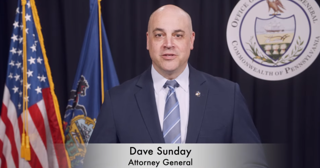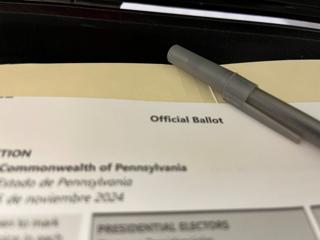
The Pennsylvania Department of State is facing legal scrutiny over its directive that allows county election boards to accept voter registrations without verifying mismatched identification. The case, which has drawn attention from election integrity advocates, is currently before the Commonwealth Court.
Explainer Election Integrity: Protecting Voter Rights in Modern America
In 2018, then-Secretary of the Commonwealth Robert Torres issued a directive instructing county election officials not to reject voter registration applications based solely on mismatched information. This directive has been upheld by the current Secretary of the Commonwealth, Al Schmidt.
Under federal law, specifically the Help America Vote Act (HAVA), voters must provide either a driver's license number or a Social Security number when registering. Traditionally, if these numbers did not match government databases, the application would be denied. However, the 2018 directive changed this practice, allowing individuals to register even if their provided information did not match.
Critics argue that this policy could lead to fraudulent registrations. Justin Riemer, president of Restoring Integrity and Trust in Elections (RITE), which is representing Potter County Commissioner Robert Rossman in the case, stated, "Errors on the front end of voter registration infect the rest of the system with problems." (U.S. Congress)
RITE contends that state law mandates the rejection of applications with mismatched information. According to Act 3 of 2002, voter registrations that are not properly completed or contain inconsistent information should not be approved. Riemer emphasized the necessity of verifying voter eligibility, stating, "There needs to at least be a follow-up process that the counties undergo to contact the applicant." (U.S. Congress)
The Pennsylvania Department of State, however, argues that Rossman lacks standing in the case, asserting that the court should dismiss the lawsuit. The department maintains that the directive is consistent with federal law and is necessary to facilitate voter registration.
The court's decision could have significant implications for the state's election process. Previous legal challenges to the directive have failed, but this case presents a new argument regarding the interpretation of HAVA and state law.
As the parties await the court's ruling, the debate over voter registration practices in Pennsylvania continues. Supporters of the directive argue that it promotes access to voting, while critics warn it could undermine election integrity.