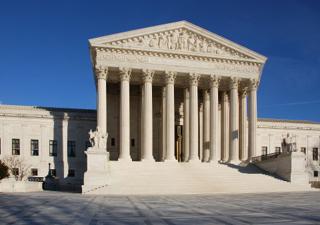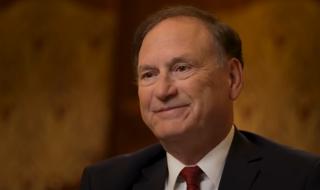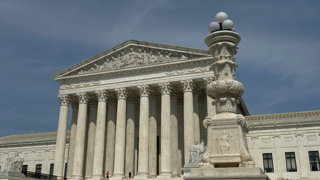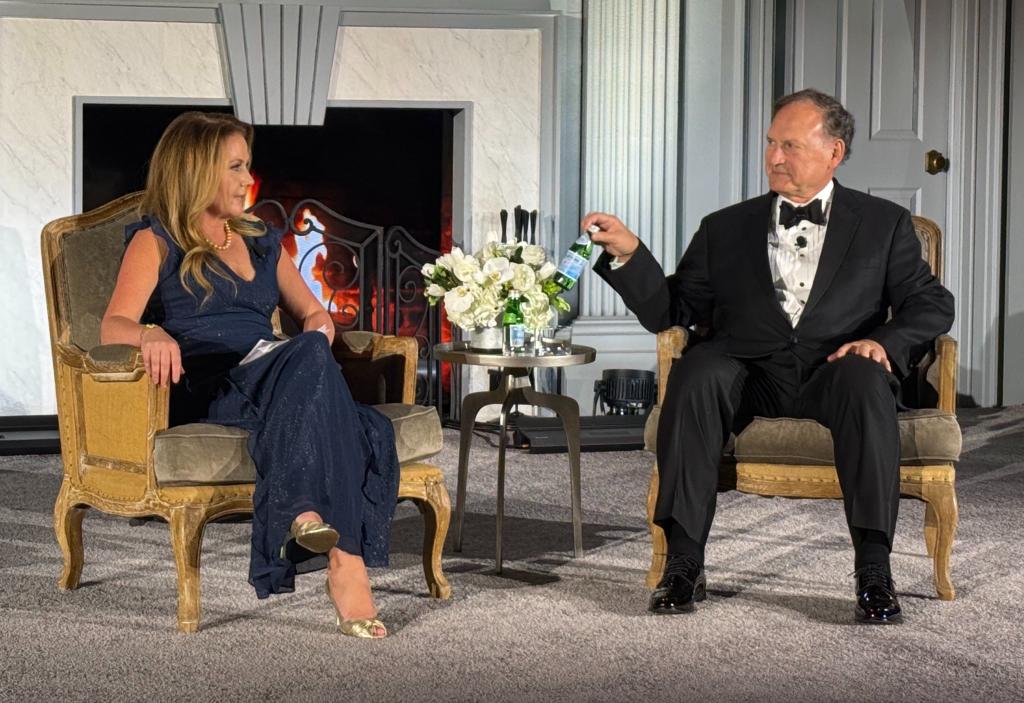
Supreme Court Justice Samuel Alito has issued a pointed warning about the potential risks to judicial independence as Democrats prepare to assume control of both chambers of Congress. Speaking Thursday at the Federalist Society’s annual Antonin Scalia Memorial Dinner, Alito expressed concern that Congress could use its authority over the Supreme Court’s funding to exert influence over the judiciary.
Explainer Understanding the Supreme Court’s Impact on Law and Liberty
Alito’s remarks were delivered during an onstage interview with Federalist Editor-in-Chief Mollie Hemingway. The justice’s comments come at a time of heightened tension between the legislative and judicial branches, as Democratic lawmakers have increasingly discussed using their legislative powers to influence the direction of the conservative-majority Supreme Court.
Alito emphasized that Congress wields significant power over the judiciary, particularly through its control of the federal budget. He noted that lawmakers could, in theory, "turn off the lights at the Supreme Court and stop everything from happening if they want to defund their activities." He elaborated further, stating, "there are many, many, many other things that they can do, or at least try to do."
"If that is eliminated, then the Constitution as adopted in 1789 will no longer be the same."
— Samuel Alito, Supreme Court Justice
Tensions Over Congressional Oversight
Alito’s warning comes just a week after Democrats secured majorities in both the House and the Senate. While Alito did not make direct reference to the recent election results, his comments followed renewed calls from Democratic leaders to consider using Congress’s power of the purse as leverage over the Supreme Court. In addition to budgetary threats, some Democrats have advocated for expanding the number of justices on the Supreme Court—a proposal often referred to as court-packing. Critics of such measures argue that they would undermine the independence and stability of the judiciary.
Alito underscored the importance of maintaining a clear separation of powers, warning that any significant encroachment by Congress on the judiciary’s independence would fundamentally alter the nation’s constitutional framework. He described the judiciary as the "least dangerous" branch of government, echoing language from The Federalist Papers, but cautioned that it remains "vulnerable" to actions by both Congress and the executive branch.
Concerns About Judicial Overreach
During his remarks, Alito also addressed concerns about judicial overreach, particularly at the level of lower federal courts. He acknowledged that most judges are "dedicated and they are skillful, but they’re not perfect and they make mistakes." Alito cautioned that some judges have "gone far astray in abuse of their powers," referencing recent instances where lower courts have issued broad orders blocking presidential policies. Such actions, he suggested, can contribute to perceptions of judicial activism and fuel calls for increased congressional oversight.
The Federalist Society’s Role
Alito’s appearance at the Federalist Society’s annual dinner highlights the organization’s ongoing influence within the conservative legal movement. The event, which drew more than 1,000 attendees including lawyers and judges, has become a prominent forum for discussion of legal and constitutional issues. Other Supreme Court justices have also appeared at the event in previous years, underscoring its significance within the legal community.
Debate Over Oversight and Ethics
Supporters of increased congressional oversight argue that greater ethical standards and transparency are necessary to maintain public trust in the judiciary. In recent years, some justices—including Elena Kagan and Amy Coney Barrett—have advocated for increased funding and enhanced security for the courts, citing rising threats to judges and court personnel. However, Democratic leaders have not directly responded to Alito’s latest warnings about the potential consequences of using congressional authority to influence the Supreme Court.
Alito’s comments reflect the ongoing debate over the balance of power among the three branches of government. As Democrats prepare to take legislative control, questions about the future direction of the Supreme Court and the extent of congressional oversight remain at the forefront of national discussion. The justice’s remarks serve as a reminder of the delicate equilibrium that underpins the American constitutional system, and the potential consequences if that balance is disrupted.