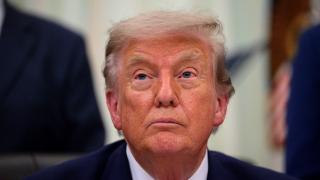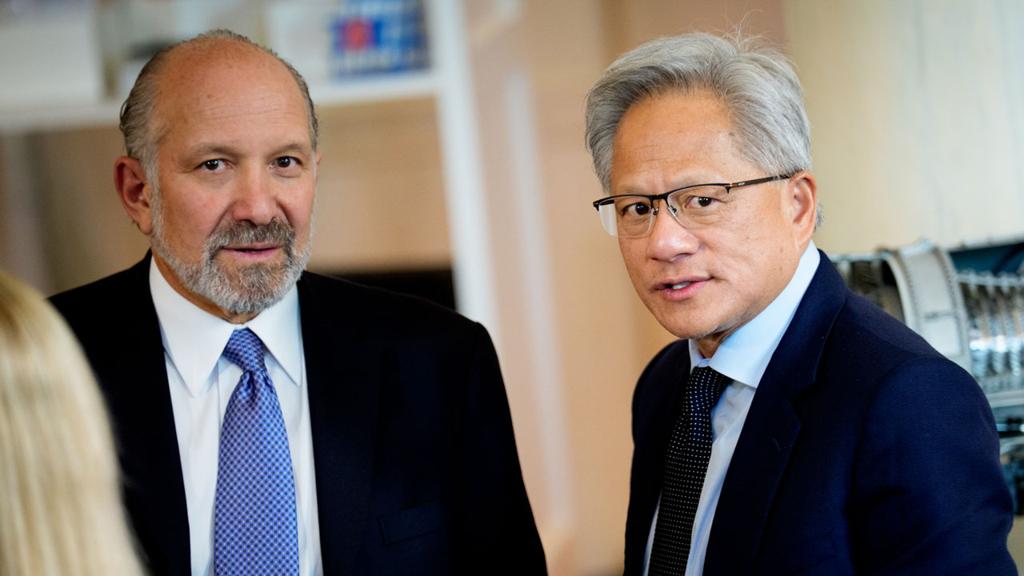
Nvidia CEO Jensen Huang resigned Thursday after a series of revelations involving his personal relationships and the company’s handling of U.S. export controls on advanced chips to China. The resignation follows mounting scrutiny over Huang’s alleged affairs with an Nvidia executive and Alice Huang, who has been identified as a suspected Chinese intelligence agent. The controversy has raised fresh concerns about U.S. national security and the oversight of sensitive technology exports to China.
Explainer Understanding China’s Strategic Role in Global Politics and U.S. Relations
Huang’s departure caps a week of escalating controversy for the Silicon Valley giant. Reports emerged that Huang had lobbied the U.S. government to relax restrictions on Nvidia’s H200 chip sales to China. At the same time, he was allegedly involved with Alice Huang, an executive at Singapore-based Megaspeed, who U.S. officials suspect of ties to Chinese intelligence. The U.S. government had previously questioned Nvidia about the risk of its chips being diverted to China, but the company reported no evidence of wrongdoing. However, Bloomberg reported that Megaspeed could not account for 50,000 Nvidia chips it had purchased, raising further questions about the effectiveness of existing controls.
Alleged Lobbying and Security Risks
According to reports, Huang’s lobbying efforts played a role in a December decision by then-President Donald Trump to permit Nvidia’s H200 chip sales in China. Jeff Smith, director of The Heritage Foundation’s Asian Studies Center, said Huang’s actions coincided with his relationship with a “potential CCP [Chinese Communist Party] spy.” Smith argued that the larger issue is the lack of oversight on Nvidia chips reaching Chinese companies, both inside and outside China. “The degree to which they have been flowing to Chinese companies inside and outside China with almost no oversight or restriction from Nvidia and the U.S. government is alarming,” Smith said.
Smith warned that China’s access to advanced U.S. chips could accelerate its artificial intelligence capabilities, posing a threat to U.S. cybersecurity. He cited Anthropic’s Mythos model, which uncovered previously unknown cybersecurity vulnerabilities, as an example of the potential risks if China were to achieve similar technological breakthroughs first. According to Smith, the situation raises the stakes for U.S. national security, as advanced chips are critical for developing next-generation AI systems and cybersecurity tools.
"If it wasn’t a honey trap situation, then it was ignorance or negligence. But either way, there is something fundamentally wrong."
— Jeff Smith, director, Heritage Foundation Asian Studies Center
Chip Flows and Enforcement Gaps
Smith criticized the Commerce Department’s Bureau of Industry and Security for failing to enforce export controls effectively. He described the agency as “asleep at the wheel” during a period of “unprecedented chip smuggling and diversion cases.” According to Smith, loopholes in current regulations allow sanctioned Chinese firms to access Nvidia chips indirectly. For example, Chinese companies that are barred from directly purchasing Nvidia chips can rent them from data centers in Southeast Asia, such as those operated by Oracle. “Chinese company X can’t buy a Nvidia chip, but Chinese company X can rent a Nvidia chip from Oracle and can rent as many of them as it wants,” Smith explained.
Smith added that more Nvidia chips are now located in Southeast Asia supporting China’s economy than are physically present inside China itself. This indirect access, he argued, undermines the intent of U.S. export controls and allows Chinese companies to continue developing advanced technologies. Heritage Action, the advocacy arm of the Heritage Foundation, is backing several legislative proposals to address these enforcement gaps. These include bills that would require location verification technology in chips to track their use and prevent unauthorized transfers.
Senator Jim Banks has called for the passage of the AI Overwatch Act, the Chip Security Act, and the Match Act to strengthen national security protections. These legislative efforts aim to close loopholes and improve the government’s ability to monitor and control the flow of advanced chips to potentially adversarial countries.
Economic and Political Responses
Treasury Secretary Scott Bessent commented Thursday that China is “looking for every advantage they can” in the global race for artificial intelligence supremacy. He emphasized that while the U.S. currently maintains a lead, it cannot afford to slow down its efforts to protect critical technology. Smith argued that the economic rationale for selling chips to China is weak, noting that “U.S. companies are literally begging for more chips” to meet domestic demand.
Huang had previously defended Nvidia’s sales to China by arguing that it keeps Beijing reliant on U.S. technology. However, Smith dismissed this claim, stating, “What you’re really doing is just giving them compute that they desperately need in the short term to keep up with us until they’re completely self-sufficient.”
There appears to be bipartisan interest in Congress to address the loopholes exposed by the recent controversy. Smith described legislative action as “sensible and overdue,” but noted that reform could also come through executive action or regulatory changes. So far, supporters of the current export policy have not publicly responded to the criticism or outlined any changes in approach.
Huang’s resignation marks a significant moment for Nvidia and the broader U.S. technology sector, highlighting the complex intersection of business, national security, and global competition in advanced computing. The episode is likely to intensify debate in Washington over how best to safeguard critical technologies while maintaining the competitiveness of U.S. companies.