Nvidia CEO Jensen Huang resigned on Thursday following reports of an alleged affair with a Chinese spy, a development that experts say could prompt Congress to tighten export controls on U.S. chip sales to China.
Explainer Understanding China’s Strategic Role in Global Politics and U.S. Relations
The incident has intensified scrutiny over national security risks tied to U.S. technology exports and the influence of foreign actors on American business leaders. Huang's departure comes at a time when policymakers are already debating how to address the risks of Chinese access to advanced U.S. technology, particularly in the semiconductor sector, which is considered critical for both economic and national security reasons.
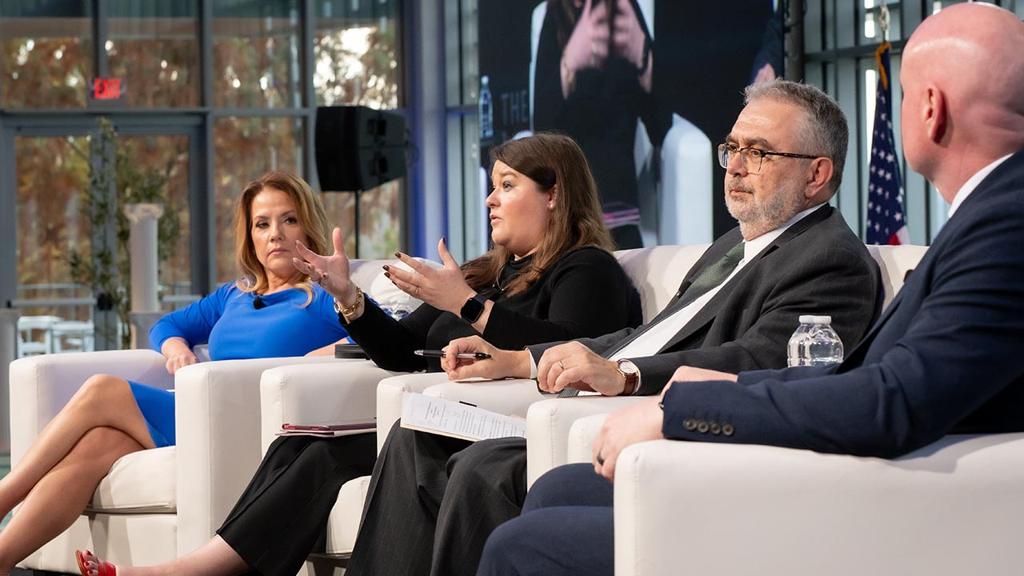
The issue was discussed at The Heritage Foundation's "The Forum," where China policy experts highlighted ongoing concerns about the Chinese Communist Party's efforts to gain influence in the United States. The panelists pointed to the broader context of U.S.-China competition, emphasizing the importance of safeguarding sensitive technologies and preventing foreign interference in American companies.
Calls for Stronger Export Controls
Piero Tozzi, senior director for China policy at the America First Policy Institute, said the news should push Congress to act on export controls. "It does get people's attention," Tozzi said. "People start to say, 'Well, wait a second,' and I think it will lead to Congress taking action on export controls. Overall, it is a positive breakup."
Tozzi's comments reflect a growing sentiment in Washington that existing export controls may not be sufficient to address the evolving national security challenges posed by China. The U.S. government has already imposed a series of restrictions on the export of advanced chips and related technology to China, but some lawmakers and policy experts argue that loopholes remain and that enforcement needs to be strengthened.
Katherine Thompson, a senior fellow at the Cato Institute, argued that Congress should review the president's authority to waive export controls for national security reasons. She noted that such waivers allow the executive branch to bypass restrictions, which becomes especially important when individuals with White House access are involved.
"Oftentimes, export control policy includes a waiver that the president can issue for any blanket national security related concern and that sort of exercise of executive power, where we may not want export control policies or restrictions to be waived."
— Katherine Thompson, Cato Institute senior fellow
Thompson's remarks highlight a key area of debate: the balance between executive flexibility and congressional oversight in the implementation of export control policy. Some experts worry that broad waiver authority could undermine the effectiveness of restrictions intended to protect U.S. interests.
Concerns Over Chinese Influence
Steve Yates, an Asia scholar at the Heritage Foundation, said the U.S. lacks the ability to monitor Chinese activities within its borders compared to the access China has in the U.S. He cited incidents such as the establishment of unauthorized police stations and the importation of pathogens under academic exchange programs as examples of the risks posed by insufficient oversight.
Yates called for renewed funding and authorization for the FBI's efforts to address these issues. "We need to go back to funding and authorizing the part of the FBI that deals with this," he said.
The panelists pointed to a pattern of Chinese efforts to gain influence in the United States, including through business relationships, academic exchanges, and other forms of engagement. They argued that the U.S. must do more to identify and mitigate these risks, particularly in sectors that are vital to national security.
Policy Debate and Next Steps
The panelists agreed that the alleged affair and Huang's resignation have brought new urgency to the debate over export controls and national security. Thompson described the issue as a "top of mind policy question for Congress to consider."
The resignation of a high-profile CEO like Huang has drawn attention to the potential vulnerabilities in the U.S. technology sector, especially as it relates to foreign influence and espionage. Lawmakers are expected to revisit existing export control frameworks and consider additional measures to safeguard sensitive technologies.
Supporters of current export control policies have not publicly responded to the calls for tighter restrictions following Huang's resignation. However, the incident is likely to fuel ongoing discussions in Congress and among policy experts about how best to protect U.S. interests in an increasingly competitive global environment.