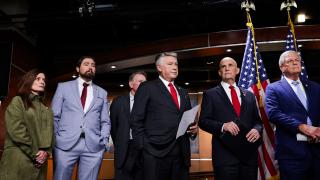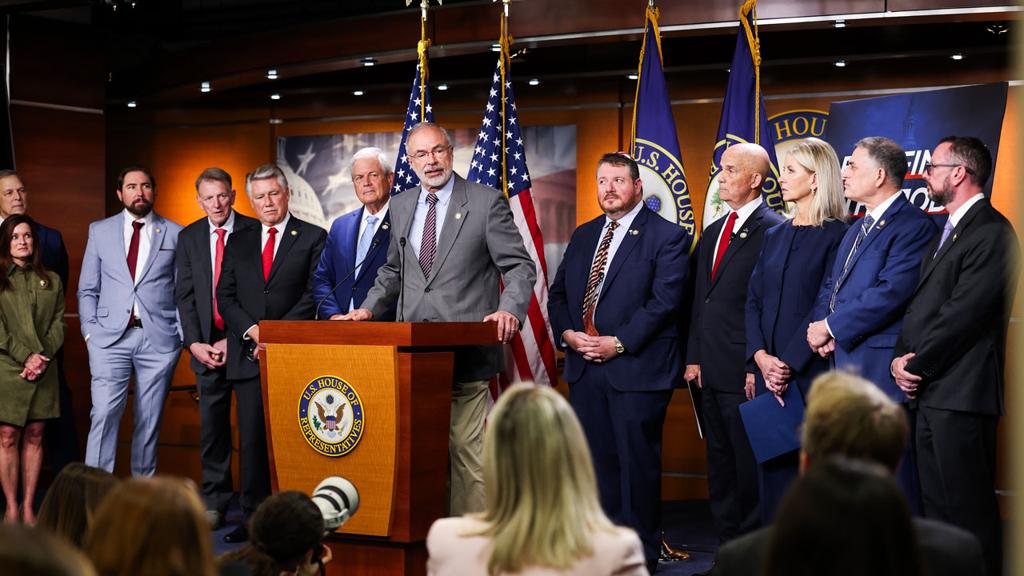
The House Freedom Caucus has presented Republican leaders with a detailed legislative agenda, calling for immediate action on border security, voter ID requirements, and significant federal spending cuts before Congress adjourns. The group is urging members to remain in Washington until these priorities are addressed, signaling a push for urgency as the legislative session nears its end.
Explainer Voter ID Laws: Securing Elections While Debating Accessibility and Integrity
This move reflects mounting pressure within the GOP to deliver on campaign promises, especially as concerns grow about Democratic opposition and the limited time left in the session. The Freedom Caucus, known for its conservative stance, is seeking to ensure that Republican lawmakers do not leave the capital without making progress on key issues that have been central to their platform.
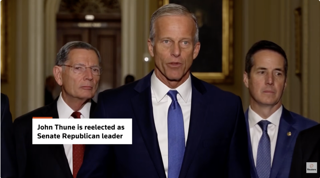
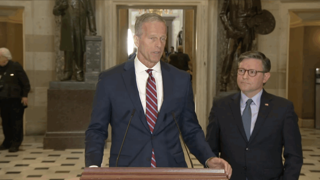
The caucus, composed of some of the most conservative House members, outlined its demands in a letter to House Speaker Mike Johnson and Senate Majority Leader John Thune. Their plan includes codifying former President Donald Trump's border security policies, passing a reconciliation package that features defense funding and health care tax relief, and enacting at least $1 trillion in spending cuts. Other priorities listed by the group are banning sanctuary cities, advancing an energy permitting bill, imposing a congressional stock trading ban, instituting term limits, passing the farm bill, and requiring voter ID for elections. The group also called for the Senate to confirm as many nominees as possible before the session concludes.
Legislative Priorities and Demands
House Freedom Caucus Chairman Andy Harris emphasized the need for Republicans to stay in Washington until their agenda is completed and, in his words, "Democrats are denied every possible leverage point." Speaking at a press conference, Harris stated, "If the Democrats don't want to pass SAVE America, vote on SAVE America, at least let's get them on the record on voter ID. The bottom line is the American people sent a pretty clear message: They want Congress actually to do something, and we still have almost two months to get that done."
Rep. Mary Miller of Illinois echoed the call for urgency, stating, "My colleagues and I are requesting bold action before this Congress adjourns. The Left is determined to fundamentally transform our nation, but we must be even more determined to preserve it. We will not surrender, and we will never stop fighting for the country we love."
The legislative priorities outlined by the Freedom Caucus reflect longstanding conservative goals. Codifying border security policies and requiring voter ID are issues that have been central to Republican campaigns in recent election cycles. The call for $1 trillion in spending cuts underscores the caucus's focus on reducing the size of government and addressing the federal deficit. Other measures, such as banning congressional stock trading and instituting term limits, are aimed at increasing transparency and accountability in government.
GOP Leadership and Internal Dynamics
The Freedom Caucus recently gained an ally in leadership, with Rep. Jim Jordan of Ohio elected as the next minority leader. Jordan, a founding member and former chairman of the caucus, is now reviewing the group's legislative priorities. His new leadership role is seen by some as an opportunity for the caucus to have greater influence over the party's agenda.
Rep. Clay Higgins said the caucus has presented its agenda to both party leadership and the White House, and that "leaders in the Senate [and] conservative colleagues across campus are aligning with us. We're going to get done what we can get done." This suggests that the caucus is seeking to build broader support within the party and across both chambers of Congress to advance its priorities.
Despite the push, some members remain skeptical about the prospects for passing the full agenda. Rep. Chip Roy of Texas, who is leaving Congress after losing a primary bid for attorney general, told the Daily Signal it is "highly unlikely" the policies will all reach a floor vote but said, "Nobody else has wanted to put out a plan, so we put out a plan."
"Nobody else has wanted to put out a plan, so we put out a plan."
— Rep. Chip Roy, House Freedom Caucus member
Roy noted that permitting reform could see progress, crediting Sen. Mike Lee's efforts in the Senate, but added that it may not be finalized before the session ends. He emphasized the importance of setting the stage for the next Congress and minimizing leverage for political opponents, indicating that even if the full agenda is not achieved now, laying the groundwork is a key objective.
Broader Context and Response
The Freedom Caucus's demands come as Republicans retain control of both chambers and the White House. The group argues that the GOP must act decisively to fulfill its commitments before the session ends. The urgency is heightened by the approaching end of the legislative calendar, which limits the time available for debate and passage of major bills.
While the caucus has been vocal in its criticism of Democratic priorities, Democratic leaders have not publicly responded to the latest demands from the group. The lack of a public response may reflect the partisan divide on many of the issues raised by the caucus, such as border security and voter ID, which have been points of contention in recent years.
As the session draws to a close, the Freedom Caucus's push for action highlights the ongoing debate within the Republican Party over how best to use its majority and deliver on promises made to voters. Whether the caucus's priorities will be addressed before adjournment remains uncertain, but the group's efforts underscore the internal dynamics shaping the party's legislative strategy.