Prominent Protestant and Jewish scholars are calling on American clergy to take a more active role in the nation’s political life, arguing that the longstanding religious consensus in the United States has fractured, leaving church leaders facing new and unprecedented scrutiny.
Explainer Christianity in American Culture: Faith, Conflict, and Freedom of Expression
According to these scholars, the breakdown of shared religious values has made political issues more existential for faith communities. This shift, they say, has increased pressure on clergy to address controversial topics that were once considered outside the traditional scope of religious leadership.
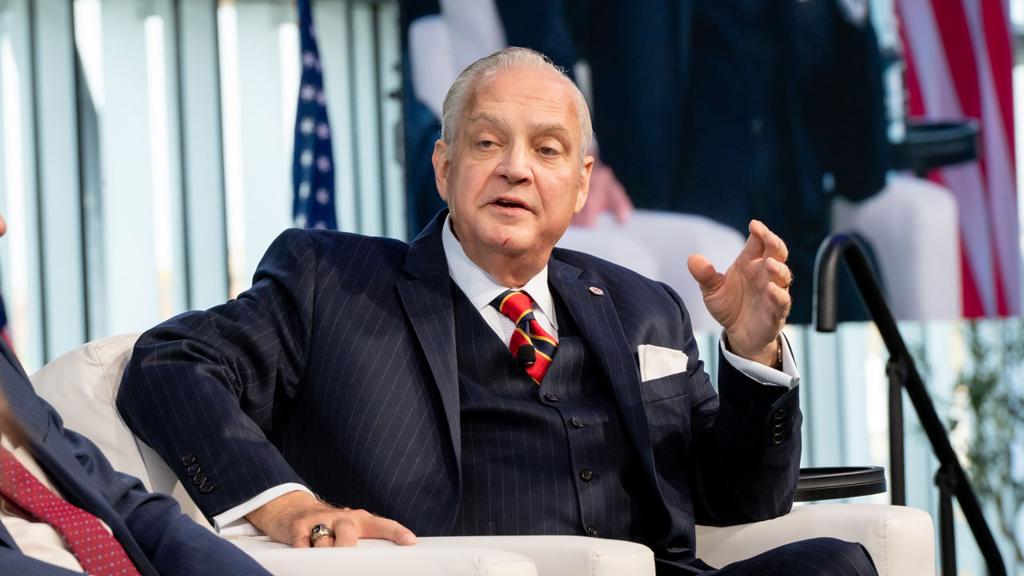
R. Albert Mohler, president of the Southern Baptist Theological Seminary, and Yoram Hazony, president of the Herzl Institute, discussed these concerns at The Heritage Foundation’s conference, The Forum, on Thursday. Mohler traced the collapse of a broad religious-cultural consensus back to the 1950s, a period he said was marked by Supreme Court decisions that enforced a stricter separation between church and state. He argued that this legal and cultural shift has left religious leaders unable to assume their beliefs will be accepted or protected from legal scrutiny, as was often the case in earlier decades.
Calls for Political Engagement
Hazony, speaking at the same event, called on clergy and religious leaders to become more involved in political debates. He warned that the current "hang up" over church-state separation discourages them from speaking out on issues that matter to their faith communities. Hazony argued that the First Amendment was not originally interpreted as requiring a complete separation between church and state, but rather as preventing the federal government from favoring one denomination over another. He suggested that the modern interpretation has gone further than the founders intended, leading to a reluctance among clergy to engage in public affairs.
Hazony also emphasized the intertwined nature of religious and political leadership in American society. He argued that the president holds significant religious influence, just as pastors can have political significance. According to Hazony, both spheres are more interconnected than is often acknowledged in contemporary debates. He warned that clergy who avoid public engagement risk ceding important moral debates to secular voices, potentially diminishing the influence of religious perspectives in the public square.
"Now we have a civilization at war with creation order and that’s the issue."
— R. Albert Mohler, president of the Southern Baptist Theological Seminary
New Pressures on Clergy
Mohler pointed to issues such as same-sex marriage as examples of the new challenges facing pastors and other religious leaders. He noted that topics never faced by earlier generations of church leaders are now central to public debate and legal scrutiny. "The average Evangelical pastor now in a very real sense understands that … it’s going to be of public significance one day that he won’t marry a man to a man," Mohler said, highlighting how personal religious convictions can become matters of public controversy.
Mohler contrasted the American experience with that of Europe, where he said belief in God has become increasingly rare and religious influence has waned. He argued that, while some U.S. political parties have embraced secularism, a significant Protestant, Catholic, and Jewish presence remains in American public life, continuing to challenge what he described as "total secularization."
Broader Context and Responses
The comments from Mohler and Hazony reflect ongoing debates over the role of religion in American public life, especially as cultural and legal norms continue to shift. Their remarks highlight concerns among some religious leaders that their positions on social and moral issues may be criminalized or marginalized in the future. Supporters of a strict separation of church and state, on the other hand, argue that these boundaries are necessary to protect both religious freedom and government neutrality, ensuring that no single faith tradition dominates public policy.
The Democratic Party did not respond to the criticism raised at the event. However, the discussion at The Forum underscores the broader question of how religious leaders should navigate the intersection of faith and politics in a changing America.
Both Hazony and Mohler suggested that the future of religious influence in the United States will depend on whether clergy are willing to re-enter the political arena and assert their perspectives on moral and cultural issues. As the nation’s religious landscape continues to evolve, the debate over the appropriate role of clergy in public life is likely to remain a central issue for faith communities and policymakers alike.